Gulf States Fortify Defenses as Iran Missile Threat Escalates
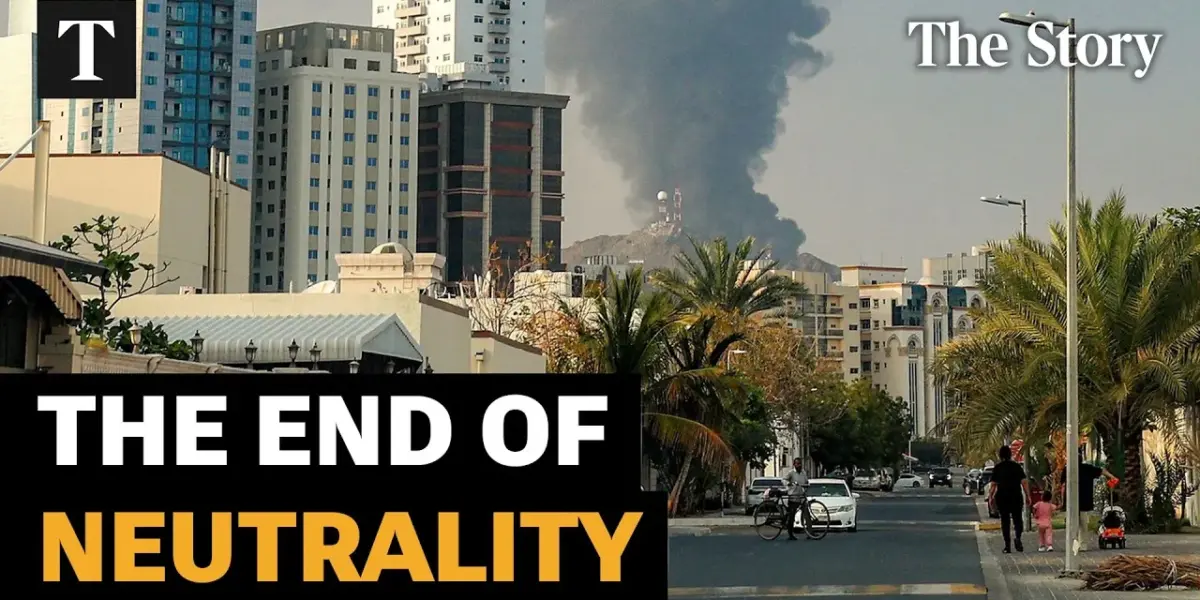
Saudi Arabia and the UAE are bolstering their defenses against escalating Iranian missile threats, sparking fears of a wider regional war. The attacks target not only military objectives but also critical infrastructure, raising concerns about economic stability and vital water supplies.

Gulf States Bolster Defenses Amid Rising Iranian Missile Threat
Recent Iranian missile attacks on its Gulf neighbors have ignited fears of a wider regional conflict, prompting Saudi Arabia and the United Arab Emirates (UAE) to reassess and fortify their defense strategies. The escalating tensions, marked by strikes hitting both allies and adversaries, are reshaping the Middle East’s security landscape and its complex relationship with the United States.
A Watershed Moment for Regional Security
The security calculus in the Gulf has shifted dramatically, with analysts describing the current situation as a “watershed moment.” The frequency and sophistication of Iranian missile strikes present a clear and present danger, not just to military targets but also to critical civilian infrastructure. The attacks underscore a worrying trend that could escalate into a broader regional war, drawing in multiple actors and potentially destabilizing the entire Middle East.
“The current situation represents a watershed moment for security in the region. The attacks are not just isolated incidents; they signal a potential for wider conflict.”
The involvement of supersonic missile debris adds another layer of complexity, highlighting the advanced capabilities being deployed. The interception of such debris is a testament to the enhanced defensive measures being put in place, but it also points to the growing threat from Iran’s missile program.
The Rise of the GCC and Collective Defense
In response to these evolving threats, the Gulf Cooperation Council (GCC) nations are increasingly leaning on collective defense mechanisms. The “rise of the GCC” in terms of security cooperation is evident as member states seek to present a united front against external aggression. This renewed emphasis on regional solidarity aims to bolster deterrence and ensure a coordinated response to any future attacks.
Michael Stephens, a consultant and senior associate fellow at the Royal United Services Institute, highlights the strategic importance of this evolving GCC posture. The collaboration among Gulf states is crucial for pooling resources, sharing intelligence, and developing interoperable defense systems. This unified approach is seen as a vital component in countering Iran’s assertive military actions.
Iran’s Strategy of Economic Pain
Iran’s missile strategy appears to be multifaceted, with a clear aim to inflict “economic pain” on its adversaries. By targeting key economic hubs and infrastructure, Iran seeks to disrupt the financial stability and growth of its regional rivals. This tactic aims to undermine their economic resilience and potentially force a change in their foreign policy stances.
The attacks, while ostensibly military in nature, carry significant economic implications. Disruption to oil facilities, shipping routes, or other vital economic assets can have ripple effects across the global economy, given the Gulf’s pivotal role in energy markets.
Threats to Critical Water Supplies
Beyond economic infrastructure, a particularly grave concern is the threat posed to the Gulf’s vital water supplies. Many Gulf nations rely heavily on desalination plants, which are critical for providing potable water to their populations. An attack on these facilities could have catastrophic humanitarian consequences, leading to widespread water scarcity and social unrest.
The vulnerability of desalination infrastructure represents a new and alarming dimension to the regional conflict. Protecting these essential services is paramount for the long-term stability and survival of the Gulf states.
Depleting the Missile Interceptor Clock
The sheer volume of missile and drone attacks poses a significant challenge to existing air defense systems. Analysts warn of the potential for “depleting the missile interceptor clock,” meaning that a sustained barrage could exhaust a nation’s limited supply of interceptors, leaving it vulnerable to subsequent attacks.
This strategic consideration forces a difficult balancing act for defense planners. They must manage their interceptor stockpiles effectively while also investing in advanced early warning systems and diversifying their defensive capabilities. The ongoing arms race in missile technology and counter-missile systems is thus a critical factor in the region’s security dynamics.
Fracturing the US-Gulf Alliance?
The escalating tensions and the effectiveness of Iranian strikes also raise questions about the strength and future of the US-Gulf alliance. While the US has historically provided security guarantees to the region, the recent events may test the limits of this commitment and the perceived effectiveness of American support.
The possibility of “fracturing the US-Gulf alliance” is a significant concern. Gulf states may question the extent to which the US can or will protect them from Iranian aggression, potentially leading them to seek alternative security arrangements or to develop more independent defense capabilities. This could reshape geopolitical alignments in the Middle East, with profound implications for global security.
Looking Ahead
As the region navigates this precarious security environment, all eyes will be on diplomatic efforts to de-escalate tensions and on the continued evolution of defense strategies. The effectiveness of the GCC’s collective security measures, Iran’s future military actions, and the steadfastness of the US commitment will be critical factors in determining whether the Gulf can avert a wider conflict and maintain regional stability.
Source: Saudi Arabia and UAE Defence Strategy Against Iranian Missile Strikes (YouTube)

Related Articles
Saudi Arabia Pushes US for Iran War, Report Claims
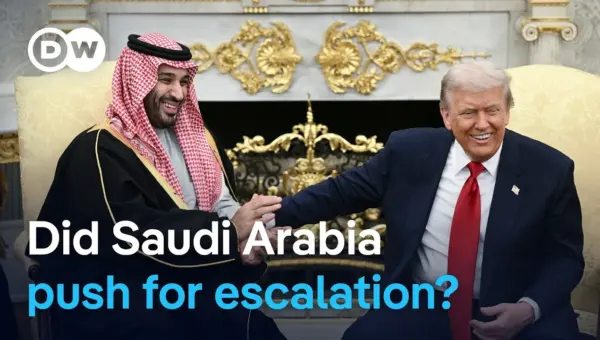
Saudi Arabia's Crown Prince Mohammed bin Salman has reportedly urged the US to escalate military action against Iran, viewing it as an opportunity to reshape the Middle East. While Saudi officials deny the report, the push comes amid increased Iranian attacks on Saudi oil infrastructure. Experts suggest a complex dynamic where Saudi Arabia seeks US intervention while also managing the risks of regional instability.

Rubio Puts US First at G7 Summit, Sparks Debate
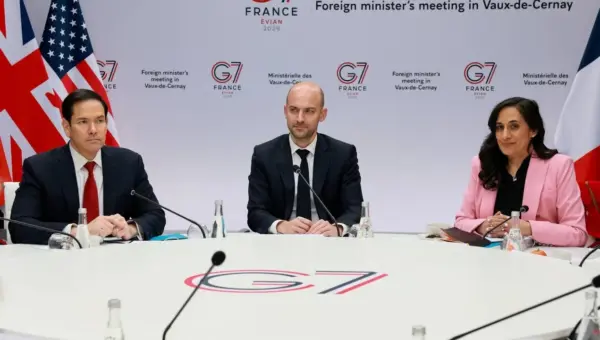
Secretary of State Marco Rubio attended the G7 summit in France, emphasizing his commitment to serving the American people above all else. The meeting addressed the war in Iran and Russia's role, revealing differing approaches among allies on regional security and the Strait of Hormuz.
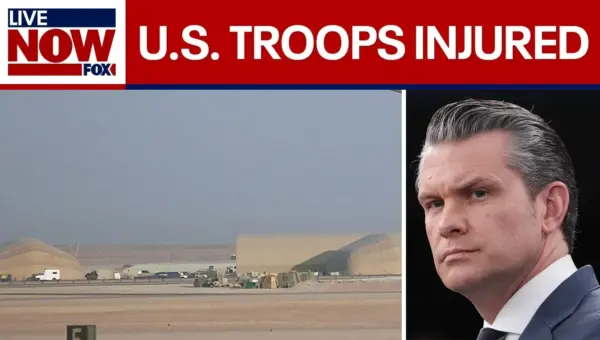
US Troops Wounded in Saudi Base Attack by Iran
An Iranian missile attack on Prince Sultan Air Base in Saudi Arabia wounded multiple U.S. service members and damaged aircraft. The incident highlights the ongoing risks in the Middle East and the limitations of air defense systems. Analysts discuss the strategic implications, economic pressures, and the isolation of Iran amidst the conflict.