Gulf Conflict Disrupts Global Aluminum Supply
Ongoing conflict in the Persian Gulf threatens to shut down key aluminum smelters, potentially removing up to 20% of global supply. This disruption will impact industries worldwide and could lead to significant price increases.

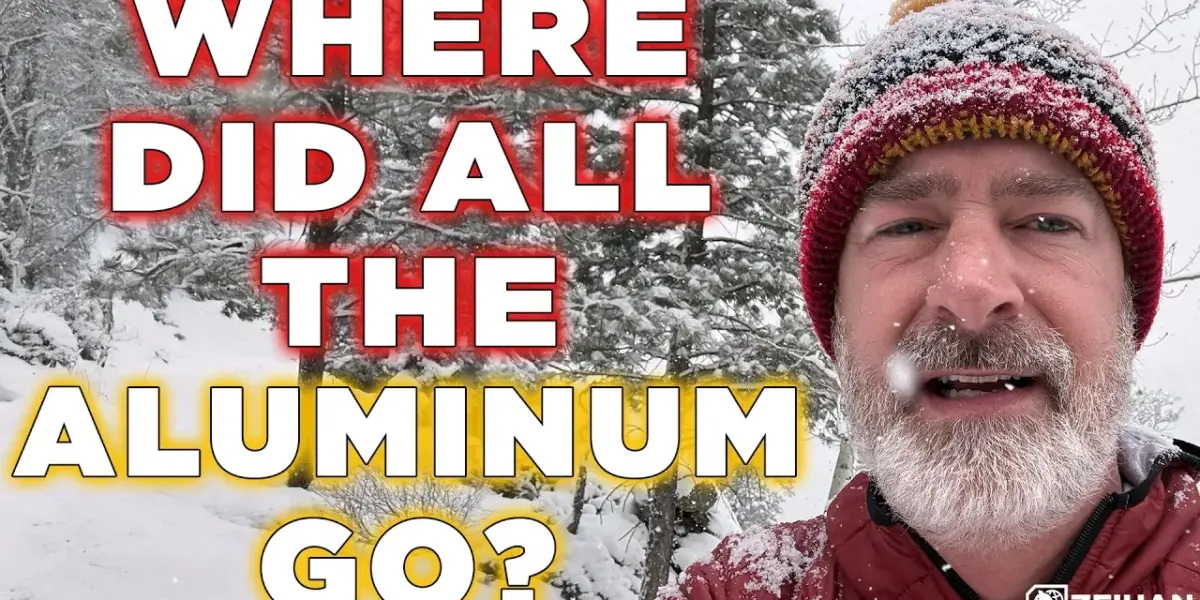
Gulf Conflict Threatens Global Aluminum Supply Chain
The ongoing conflict in the Persian Gulf is poised to cause major disruptions to the global aluminum supply. With key shipping lanes facing closure and infrastructure under attack, a significant portion of the world’s primary aluminum production is at risk. This development has far-reaching implications for industries worldwide that rely on this essential metal.
Understanding Aluminum Production
Aluminum production is a complex process. It starts with an ore called bauxite. Unlike iron ore, bauxite needs multiple refining steps. First, bauxite is mixed with caustic soda, a strong chemical. This process separates impurities, creating a white powder called alumina.
Alumina is produced in various locations, but the Persian Gulf region accounts for only about 3% of global output. Most alumina is then transformed into aluminum metal. This happens by passing electricity through it in a large vat. This step requires a massive amount of electricity.
The Role of Natural Gas and Electricity
The Persian Gulf region is rich in oil and natural gas. Often, natural gas is a byproduct of oil extraction. While oil is easy to transport by tankers, natural gas is more difficult. It can be liquefied by cooling it to extremely low temperatures, but this is costly.
Most countries in the Gulf use their natural gas to generate electricity. This results in some of the cheapest electricity prices globally. Cheap electricity is crucial because turning alumina into aluminum uses a lot of power. The conflict threatens this energy supply.
Vulnerable Smelters in the Gulf
The Persian Gulf hosts six major aluminum smelters. These are located in Saudi Arabia, Bahrain, Qatar, the United Arab Emirates (with two facilities), and Oman. Iran’s strategy appears to be targeting the energy infrastructure that supports these smelters, rather than the smelters themselves.
Attacking the natural gas fields, pipelines, or power plants can shut down production. Many of these facilities have already faced attacks. As the region’s defenses weaken, more infrastructure is likely to be hit, impacting aluminum output.
Specific Facility Risks
- Saudi Arabia: This facility is somewhat protected as it produces its own bauxite. It handles both bauxite refining and aluminum smelting on-site. Metal is then trucked to the Red Sea, reducing reliance on sea transport.
- Bahrain and Qatar: These smelters rely on imported alumina and local natural gas. The closure of shipping lanes makes importing alumina difficult. Their power systems have already been attacked, forcing them to operate at less than half capacity. They are expected to shut down soon.
- United Arab Emirates: Two smelters in Abu Dhabi and Dubai share a power grid. The UAE faces significant drone attacks due to its geography. Running out of defensive interceptors means these facilities are likely to go offline in the coming weeks.
- Oman: Located on the Indian Ocean, this smelter is not directly impacted by the Strait of Hormuz closure. However, Iran has shown the ability to strike targets on the Indian coast. Attacks on power infrastructure in Oman and the UAE could shut down this facility as well.
Global Impact and Market Share
These six smelters, including three of the world’s largest, produce about 9% of the global primary aluminum supply. If Chinese production figures are considered unreliable, this region’s output could represent 15-20% of the global total.
Aluminum is a critical material for many industries, including aerospace, automotive, construction, and electronics. A significant reduction in its supply could slow down industrial expansion worldwide. China is the world’s largest producer and consumer of aluminum, and its own supply chain issues are not expected to be resolved soon.
United States Market Dynamics
The impact on the United States is different. The U.S. relies heavily on recycled aluminum, using it for about 70% of its demand. New aluminum accounts for only about one-third of U.S. consumption.
However, the U.S. faces a challenge from existing tariffs. The Trump administration imposed a 50% tariff on imported aluminum. This tax increases the cost of imported aluminum. With global shortages driving up prices, the U.S. could see further price hikes on top of the tariff. Relief might come if this specific tariff is removed.
Historical Context
The current situation echoes past disruptions in global commodity markets. The reliance on specific geographic regions for essential resources has always presented a vulnerability. The Strait of Hormuz has historically been a critical chokepoint for global energy and trade, making it a constant point of geopolitical tension.
Future Outlook
If the conflict in the Persian Gulf continues, the shutdown of these aluminum facilities appears likely within the next month. This will create a significant deficit in the global market. Industries worldwide will need to adapt to higher prices and potential shortages, impacting everything from car manufacturing to building projects.
Source: Aluminum Shortages Coming Soon || Peter Zeihan (YouTube)

Related Articles

Pentagon Weighs 10,000 Troops for Iran Showdown
The Pentagon is reportedly weighing a significant troop increase of 10,000 soldiers to the Middle East, potentially escalating tensions with Iran. This move comes amid reports of U.S. precision strikes and interceptions of Iranian missiles by allies, raising concerns about regional stability and global oil supplies.
Iran Conflict Sparks Market Volatility, Experts Weigh In
Geopolitical tensions in the Middle East have rattled global markets, with stocks falling and safe-haven assets like the U.S. dollar strengthening. Experts suggest the market may have overreacted, creating potential buying opportunities, but warn of a "bumpy journey" ahead due to infrastructure damage and potential oil shortages. Concerns also linger about the Federal Reserve's independence amidst political commentary.

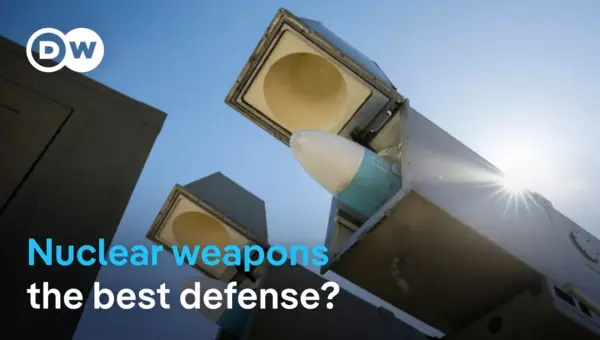
Iran War Sparks Nuclear Fears: Is a Global Arms Race Brewing?
The conflict in Iran has heightened global fears of nuclear proliferation and a potential arms race. Experts warn that Iran may pursue nuclear weapons if its current deterrence fails, while historical examples show the dangers of unchecked nuclear ambitions. The world faces uncertain scenarios, ranging from renewed diplomatic efforts to a dangerous escalation of nuclear threats.