Gulf Allies Urge Trump to Continue Iran War Amid Rising Gas Prices
U.S. gas prices have surpassed $4 a gallon as the conflict with Iran enters its second month. Gulf allies are privately urging President Trump to escalate the war, arguing Iran has not been sufficiently weakened, despite reports suggesting the U.S. may prioritize ending the conflict even if the Strait of Hormuz remains closed.

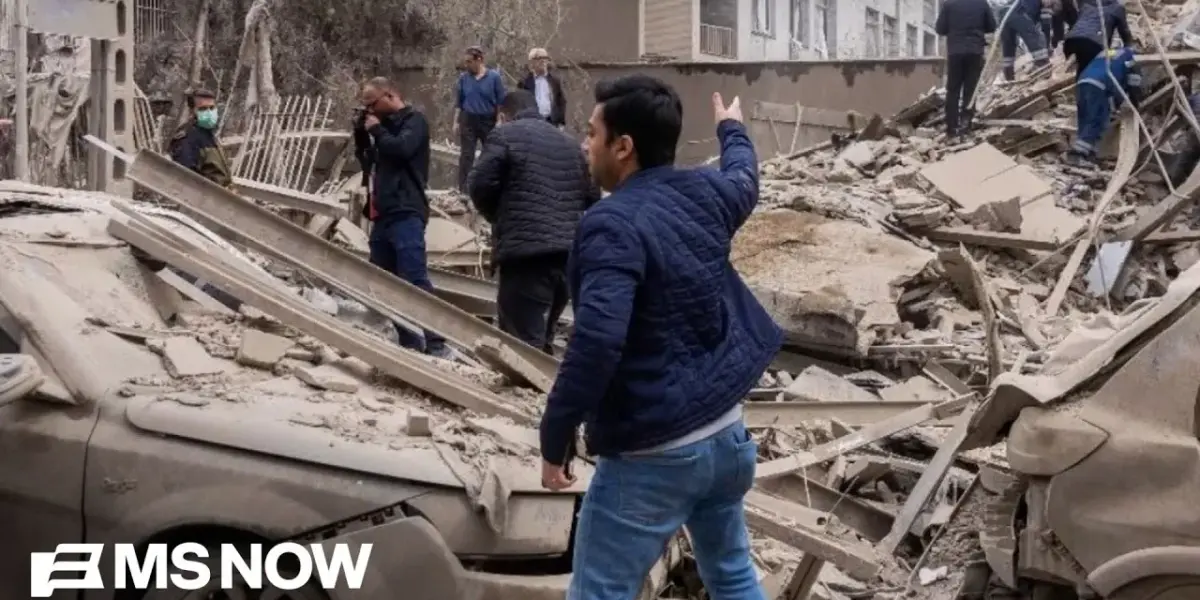
US Gas Prices Hit $4 as Iran Conflict Rages On
Gasoline prices in the United States have surged past an average of $4 a gallon, marking the first time since August 2022 that prices have reached this level. This spike is largely attributed to the ongoing conflict with Iran, now in its second month. The war has sent shockwaves through global energy markets, similar to the impact seen when Russia’s war against Ukraine began.
Shifting US Strategy: Strait of Hormuz vs. Naval Degradation
New reporting from The Wall Street Journal suggests the situation could worsen. Administration officials revealed that President Trump has indicated a willingness to end the conflict even if the vital Strait of Hormuz remains partially or fully closed. Forcing the waterway open would extend the military mission beyond the preferred four to six-week timeline. Instead, officials state the U.S. aims to degrade Iran’s navy and missile capabilities while pursuing diplomatic pressure to restore trade flow. If diplomacy fails, Washington would then look to European and Gulf allies to take the lead in reopening the strait.
Experts Warn of Economic Fallout from Closed Waterway
Experts have labeled this potential strategy as irresponsible. They warn that the U.S. cannot fully shield itself from the escalating economic damage caused by a closed Strait of Hormuz. The current surge in gas prices and oil market volatility serve as clear examples of this interconnectedness.
Regional Attacks Continue, Allies Push for Escalation
Meanwhile, attacks across the region persist. Tehran reported significant explosions leading to initial power outages. Saudi Arabia announced it had intercepted and destroyed 10 Iranian drones. Amidst this, the Associated Press reports that key Gulf allies, including Saudi Arabia, the UAE, Kuwait, and Bahrain, are privately urging President Trump to intensify the war against Iran. These nations argue that Tehran has not been sufficiently weakened.
Gulf Allies’ Shifting Stance and Trump’s Response
Initially, these Gulf governments reportedly complained about a lack of advance notice from the U.S. and Israel before the conflict began, and that their warnings about devastating regional consequences were ignored. However, some officials now view the war as a critical opportunity to dismantle Iran’s clerical rule. When asked about Gulf allies fighting back, President Trump stated on Air Force One, “THEY ARE FIGHTING BACK. SOUDY ARABIA IS FIGHTING BACK HARD. QATAR IS FIGHTING BACK. UAE IS FIGHTING FIGHTING BACK, KUWAITS FIGHTING BACK. BAHRAN IS FIGHTING BACK.” He noted their initial surprise at being attacked but their subsequent strong response. While these countries host U.S. forces, they have not directly joined offensive strikes.
Analysis: Strategic Incoherence and Political Pressures
Retired CIA officer Mark Polymeropoulos discussed the apparent contradictions in reporting, noting that while some reports suggest the President is becoming disengaged, Gulf allies are pushing for continued action. He highlighted the unpredictability of war timelines, stating, “The enemy gets a vote.” Polymeropoulos described the current situation as potentially exhibiting “strategic incoherence,” where a premature U.S. withdrawal could leave an emboldened Iran, a closed Strait of Hormuz, and unfulfilled objectives, creating a negative outcome for the region.
“If Trump gets bored and walks away, one can make an argument this was a complete and utter fiasco. You have an angry Iran. You know, you’ve poked the bear. They’re going to rush to a nuclear weapon. The strait of Hormuz is closed. And the war objectives now, which seem to be much more limited, are good in one sense. Iran’s military has degraded, but nothing much else. And the Gulf allies are really worried.”
Mark Polymeropoulos, Retired CIA Officer
Military Assets and Past Precedent
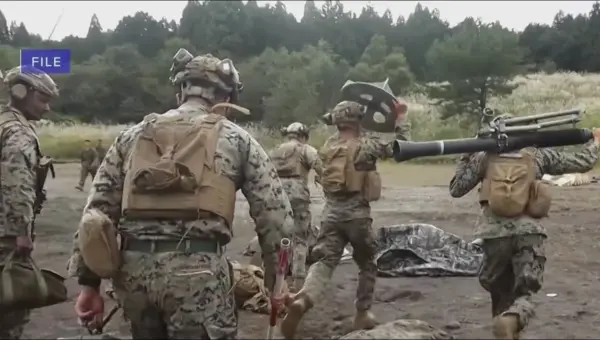
Despite potential political pressure to withdraw due to the war’s unpopularity, Polymeropoulos believes Trump may feel compelled to continue. He pointed to the significant military assets deployed in the region, including a Marine Expeditionary Unit, the 82nd Airborne, and Joint Special Operations Command units. Drawing on past precedent, Polymeropoulos suggested that Trump has a history of utilizing such deployed forces, even for risky missions, despite the potential for U.S. casualties and political blowback.
Public Opinion and Shifting Objectives
The war’s unpopularity and the lack of clear objectives presented to the American public are significant factors. While ending a long-term conflict might appeal to the public, national security experts worry that leaving without achieving key objectives could leave the region worse off. Secretary of State Marco Rubio’s recent comments criticizing NATO allies for not providing sufficient basing rights also drew attention. Some analysts interpret Rubio’s statements and his redefining of success metrics—moving away from the initial focus on Iran’s nuclear program—as positioning the administration for a potential withdrawal, even if core objectives remain unmet.
Uncertainty and Future Investigations
The lack of clear coherence among national security officials and President Trump’s own unpredictable statements, such as threats of war crimes, contribute to the uncertainty. As Congress seeks more information, including an investigation into the bombing of an Iranian school for girls, the path forward remains unclear. The coming weeks will be crucial as administration briefings and ongoing conversations with officials attempt to piece together the evolving strategy and its implications.
Source: AP: Gulf allies privately push Trump to keep fighting Iran (YouTube)

Related Articles

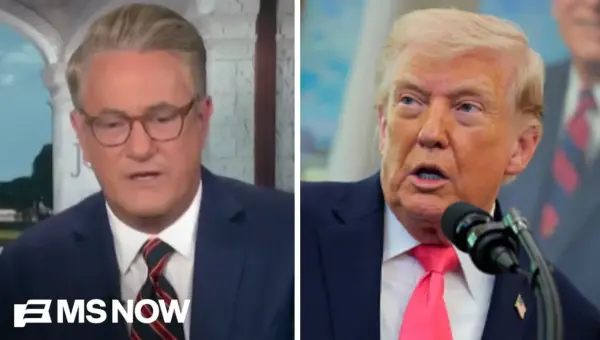
Gulf Allies Urge Trump to Continue Iran Conflict
U.S. allies in the Persian Gulf are urging President Trump to intensify military action against Iran, believing Tehran has not been sufficiently weakened. The ongoing conflict raises concerns about regional stability and global energy prices, while questions linger about the administration's long-term strategy.

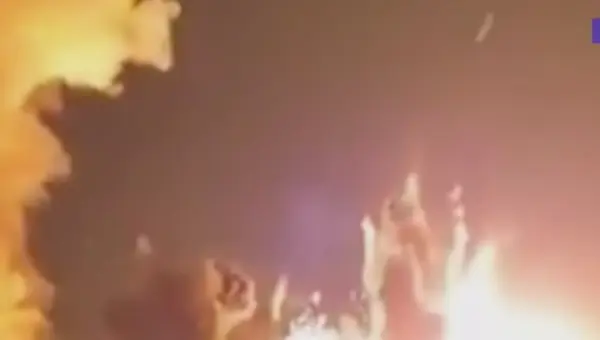
Middle East Conflict Sends Gas Prices Soaring Past $4
The national average gas price has surpassed $4 per gallon for the first time since 2022, driven by escalating conflict in the Middle East. Recent attacks on oil tankers and military strikes have heightened fears of energy supply disruptions, impacting consumers globally.
US Weighs Troop Deployment Amid Iran Deal Push
The U.S. is considering deploying ground troops to Iran while simultaneously pushing for a diplomatic deal to reopen the Strait of Hormuz. Air strikes are ongoing as President Trump increases pressure on Iran.