Gulf Allies Rise as Europe Falters in Iran Standoff
The US is reporting significant success in its campaign against Iran, crippling its military and nuclear programs. While Gulf allies like Saudi Arabia and the UAE offer strong support, European nations are criticized for their inaction, leading to a potential realignment of global security partnerships.

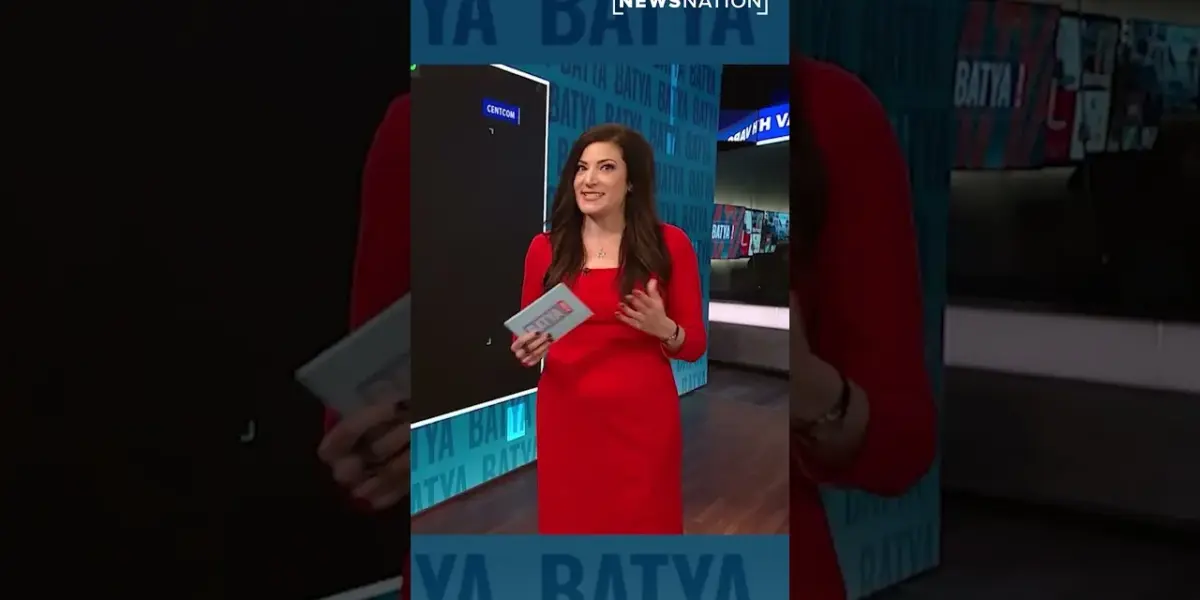
Gulf Allies Rise as Europe Falters in Iran Standoff
In a significant shift of regional alliances, the United States and its partners in the Persian Gulf are presenting a united front against Iran. This cooperation stands in stark contrast to the hesitant stance of European nations, who are being criticized for not contributing their fair share to regional security. The current situation highlights a growing divide in international priorities, particularly concerning the threat posed by Iran’s nuclear ambitions.
US Claims Success in Iran Campaign
Despite media reports suggesting otherwise, the United States claims significant success in its campaign against Iran. The administration states that Iran’s military capabilities, including its navy and ballistic missile programs, have been severely weakened. Furthermore, Iran is reportedly reconsidering a deal to halt uranium enrichment. The president has given Iran 10 days to agree to the terms, with the possibility of further action if an agreement is not reached.
European Allies Criticized for Inaction
European nations are facing strong criticism for their perceived lack of support in confronting Iran. The article likens Europe’s position to that of a “deadbeat husband,” suggesting they benefit from security provided by others without contributing themselves. While acknowledging the global interest in preventing a nuclear-armed Iran, European countries are accused of wanting the advantages of security without the costs or responsibilities. This reluctance to actively participate is seen as a major point of friction.
Gulf States Rally Around US Efforts
In contrast to Europe, key Gulf Arab states have shown strong support for US actions. Saudi Arabia, the United Arab Emirates (UAE), Bahrain, Qatar, and Israel are all described as being firmly in America’s corner. These nations have urged the US to take a firm stance against Iran and have offered substantial support. Saudi Arabia and the UAE have even committed trillions of dollars to US manufacturing projects and have pledged troops if necessary.
Historical Context and Shifting Alliances
This realignment of alliances is not without historical precedent. The region has long been a complex geopolitical chessboard, with shifting allegiances based on mutual interests and perceived threats. The current US administration has fostered particularly strong personal relationships with leaders like Saudi Crown Prince Mohammed bin Salman (MBS). This personal diplomacy appears to be a key factor in securing the Gulf states’ commitment, a stark difference from the more strained relationship with European partners.
Economic Dimensions of the Standoff
Economic factors play a crucial role in this geopolitical drama. The article notes that Iran’s ability to export oil has been hampered, contributing to a drop in global oil prices. The commitment of trillions of dollars in manufacturing investments from Gulf states to the US also underscores the economic interdependence and mutual benefits driving these alliances. The control of vital shipping routes like the Strait of Hormuz remains a significant economic concern for global stability.
Global Impact and Future Scenarios
The current situation has far-reaching implications for the global order. A strong, unified front from the US and its Gulf allies could effectively contain Iran’s regional influence and nuclear ambitions. However, a failure to secure broad international cooperation, particularly from traditional allies in Europe, could lead to a more fractured global security landscape. The article suggests that the US may find its most reliable partners are now in the Gulf, rather than across the Atlantic.
Why This Reshapes the World Order
This evolving dynamic signals a potential reshaping of international partnerships. The willingness of Gulf nations to invest heavily in the US and offer direct military support demonstrates a strong shared interest in regional stability. It suggests a future where security cooperation is driven more by immediate, tangible threats and economic partnerships, rather than historical alliances. Europe’s perceived inaction, meanwhile, could weaken its standing and influence on the global stage.
Future Outlook
The coming days are critical as Iran considers the proposed deal. The outcome will determine whether the current diplomatic approach succeeds or if further military action becomes necessary. The strength of the US-Gulf alliance will be tested, and Europe’s role in future international security efforts will likely be re-evaluated. The world is watching to see if a new era of cooperation, or further division, will define global affairs.
Source: Europe is like a ‘deadbeat husband’: Batya (YouTube)

Related Articles
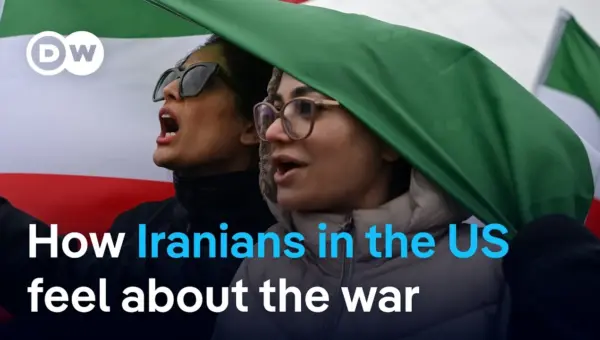
Iranian Americans Divided Over US-Israel Actions in Iran
Iranian Americans are deeply divided over the U.S. and Israel's actions concerning Iran, with many fearing foreign intervention and its impact on civilians. The conflict has strained communication with loved ones inside Iran due to internet blackouts, intensifying anxiety.

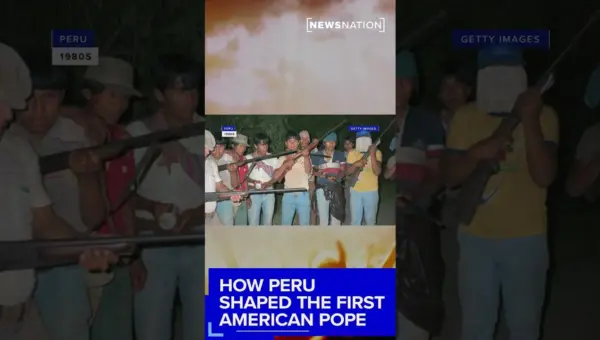
Pope Francis’s Peruvian Roots Shape Global Diplomacy
Pope Francis's early years in Peru during a period of intense poverty and terrorism profoundly shaped his diplomatic approach. Witnessing extreme hardship and choosing to stay with the community through danger instilled a deep empathy and commitment to peace that guides his global leadership.

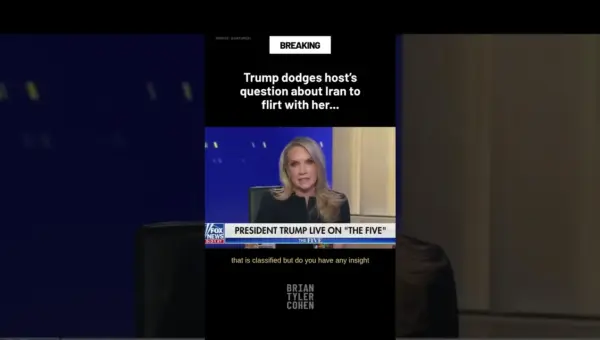
Trump Flirts, Ignores Iran Crisis: A Political Misstep?
During an interview, Donald Trump deflected serious questions about the crisis in Iran by complimenting the host. This interaction raises concerns about accountability and priorities when discussing humanitarian issues.