Gulf Allies Rally as Europe Falters on Iran Policy
Gulf nations like Saudi Arabia, UAE, and Qatar are showing strong support for U.S. policy on Iran, contrasting with what the article calls Europe's lack of contribution. This strategic alignment highlights shifting regional power dynamics and economic ties.

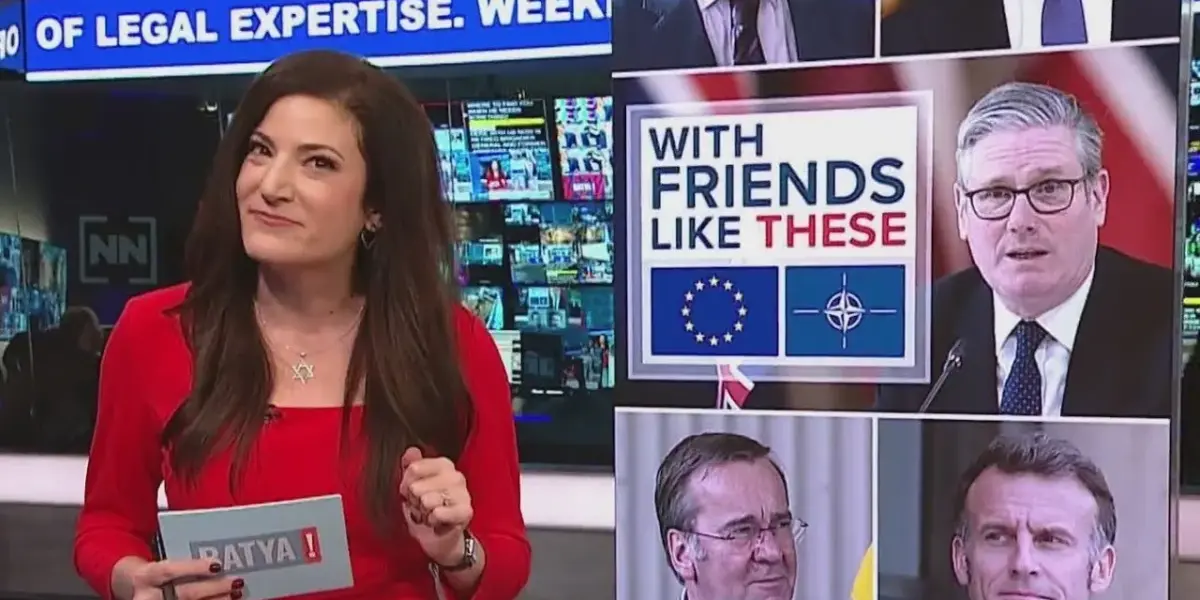
Gulf Allies Rally as Europe Falters on Iran Policy
The United States appears to be making significant strategic gains against Iran, despite Western media portrayals suggesting otherwise. While some outlets claim the U.S. is losing ground, actions taken have severely weakened Iran’s military and its nuclear program. The U.S. president has given Iran a deadline to agree to a deal that would halt uranium enrichment. Though some worry about direct military involvement, the current approach is seen by supporters as a major success.
The narrative that Iran is winning is being pushed by outlets like The Economist. This perspective is described as wishful thinking. Iran’s naval and missile capabilities have been greatly damaged. Their goal of obtaining nuclear weapons is considered a distant possibility. Although the Strait of Hormuz faces some disruptions, oil prices have fallen below $100 per barrel. Reports indicate Iran has sent oil tankers to the U.S.
European Allies’ Stance Questioned
The article criticizes European nations for not fully supporting U.S. efforts against Iran. These countries are seen as benefiting from the mission to prevent a nuclear-armed Iran, a goal deemed vital for global security. However, they are accused of not contributing meaningfully to the effort. They are described as wanting the advantages without sharing the burden or the risk. This behavior is compared to a “deadbeat husband” who takes without giving and only appears when needed.
Gulf Nations Show Strong Support
In contrast, key Middle Eastern nations are strongly backing the U.S. Saudi Arabia has urged the president to take decisive action against Iran. They are now asking him to see the mission through to completion. The United Arab Emirates (UAE) has offered to send troops if needed to support the effort. Bahrain and Qatar are also firmly aligned with the U.S. position. Israel’s cooperation has been crucial to the success of these operations.
This strong regional backing is understandable. Iran has recently fired ballistic missiles at its neighbors in the Gulf. These countries naturally support U.S. efforts to counter these threats. The U.S. president has developed a strong relationship with Saudi Crown Prince Mohammed bin Salman (NBS). This relationship extends to the UAE and Qatar, who have pledged trillions of dollars in manufacturing investments to the U.S.
Economic Ties and Regional Power Balance
The partnerships with Gulf nations are described as mutually beneficial, unlike relationships with some other allies. The article suggests that the true allies of the U.S. in the region are now found in the Gulf. These alliances are built on shared security interests and significant economic cooperation. Trillions of dollars in manufacturing investments highlight the depth of these economic ties.
Historical Context and Future Outlook
The current geopolitical situation reflects a long-standing tension between Iran and its neighbors, often involving proxy conflicts and regional power struggles. The U.S. involvement aims to maintain stability and prevent the spread of nuclear weapons. Historically, the U.S. has sought to balance power in the Middle East to ensure the free flow of oil and protect its allies. The strong alignment of Gulf states with the U.S. represents a significant shift in regional alliances, potentially marginalizing traditional European partners in security matters concerning Iran.
Global Impact
This realignment of alliances has far-reaching consequences. It underscores a growing assertiveness in the Gulf states and their willingness to take a more direct role in regional security. The perceived inaction or reluctance of European allies could weaken transatlantic cooperation on critical foreign policy issues. It also highlights the economic leverage that countries like Saudi Arabia, UAE, and Qatar possess through their investments and energy resources. The U.S. strategy appears to be consolidating support among key regional players, potentially isolating Iran further and reshaping security dynamics in the Middle East.
Potential Future Scenarios
One scenario involves Iran agreeing to the U.S. terms, leading to a de-escalation but potentially leaving underlying tensions unresolved. Another possibility is continued Iranian defiance, leading to further pressure and potential escalation. The strong support from Gulf allies could embolden the U.S. to maintain a firm stance. However, if European nations do not increase their engagement, it could create divisions within Western policy towards Iran. The long-term success will depend on sustained regional cooperation and Iran’s response to international pressure.
Source: Batya: Europe is like a ‘deadbeat husband’ | Batya! (YouTube)

Related Articles

Gulf Allies Rise as Europe Falters in Iran Standoff
The US is reporting significant success in its campaign against Iran, crippling its military and nuclear programs. While Gulf allies like Saudi Arabia and the UAE offer strong support, European nations are criticized for their inaction, leading to a potential realignment of global security partnerships.
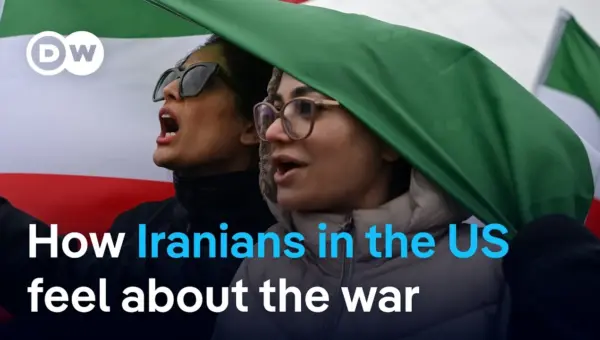
Iranian Americans Divided Over US-Israel Actions in Iran
Iranian Americans are deeply divided over the U.S. and Israel's actions concerning Iran, with many fearing foreign intervention and its impact on civilians. The conflict has strained communication with loved ones inside Iran due to internet blackouts, intensifying anxiety.

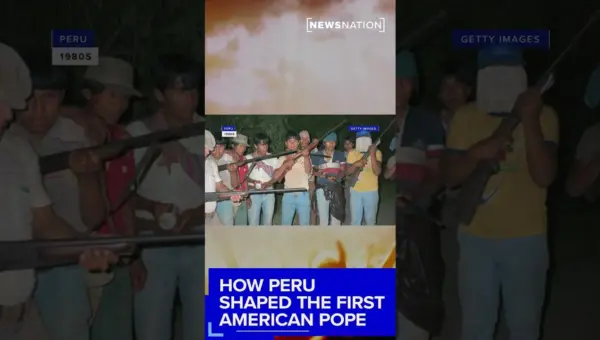
Pope Francis’s Peruvian Roots Shape Global Diplomacy
Pope Francis's early years in Peru during a period of intense poverty and terrorism profoundly shaped his diplomatic approach. Witnessing extreme hardship and choosing to stay with the community through danger instilled a deep empathy and commitment to peace that guides his global leadership.