Greens Stage Shock Comeback in German Regional Election
The German state of Baden-Württemberg witnessed a dramatic political upset as the Green party candidate Jem Estia secured a surprise victory, defying pre-election polls. The results signal significant shifts in the German political landscape, with the SPD facing a crisis and the AfD consolidating its gains.

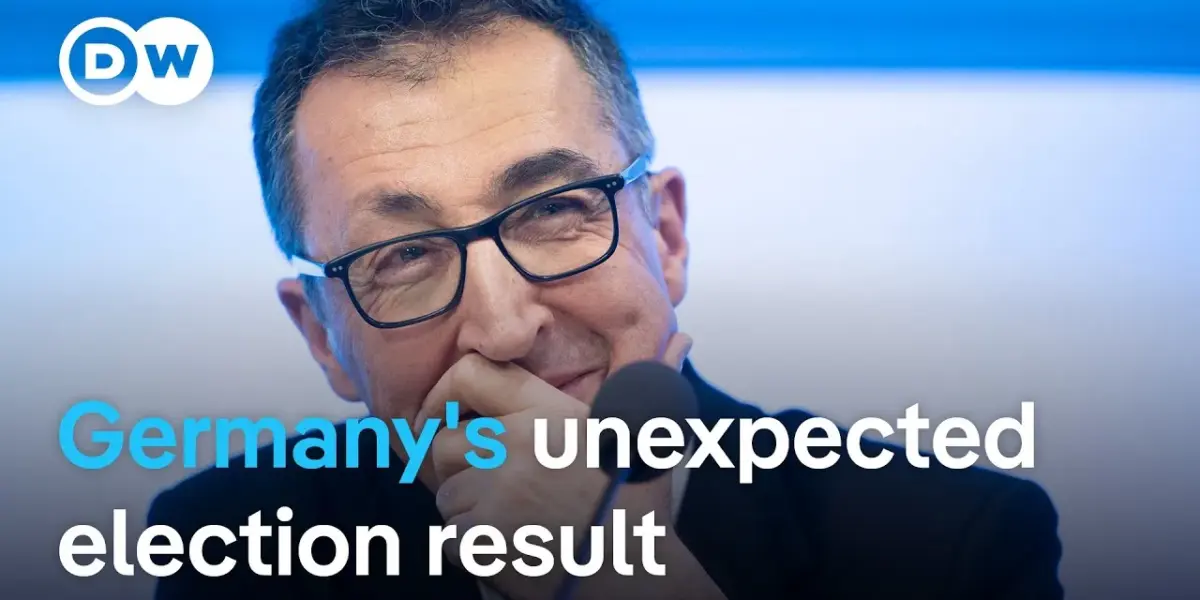
Greens Overtake CDU in Surprise Election Victory
In a stunning turn of events, the Green party candidate Jem Estia has secured victory in the German state of Baden-Württemberg, defying pre-election polls that had placed him significantly behind his center-right CDU rival. The unexpected win, celebrated by the Greens, carries significant implications for the national political landscape, particularly for the ruling coalition government in Berlin.
Unusual Election Results Signal Political Shifts
The official results paint a complex picture of the German electorate. The Green party, despite being the incumbent in the state, had seen its polling numbers dip to a mere 17% just months prior. In stark contrast, the CDU, the party of Chancellor Olaf Scholz, made gains compared to the previous election but ultimately lost a substantial 14% lead it held in some surveys. The far-right Alternative for Germany (AfD) party significantly boosted its presence, doubling its previous election results and signaling its solidified position in German politics. Meanwhile, the Social Democrats (SPD), junior partners in the federal government, narrowly cleared the 5% threshold for parliamentary representation, a result described as being “on life support” and unthinkable just a decade ago.
“The SPD has the same problem many social democrats in Europe have. Their traditional core constituents no longer vote for them.”
SPD Faces Existential Crisis Amidst Declining Support
The dire performance of the SPD has cast a shadow over the federal government, which is a coalition of the CDU and SPD. Officials from the SPD gathered in Berlin, acknowledging the “bitter” and “difficult” outcome. Professor Lucas Rudolfph, an expert in political behavior, explained that the SPD’s traditional working-class and middle-class voters are increasingly being drawn to the fringes of the political spectrum, primarily the AfD and, to some extent, the Left party. This trend is reflected in the SPD’s dramatic decline in federal elections, from 23% fifteen years ago to a mere 5.5% in this regional election.
AfD’s Growing Influence and the Challenge for Mainstream Parties
The AfD’s impressive gains, doubling its vote share in Baden-Württemberg, underscore its growing influence across Germany. The party’s focus on migration, national identity, and traditional values has resonated with a significant portion of the electorate. This success has forced traditional parties, including the SPD and CDU, to consider unprecedented collaborations. The AfD’s trajectory, both in federal and state elections, indicates it is a force that will continue to shape German political discourse.
Coalition Dynamics and the Struggle for Political Identity
The SPD’s struggle to differentiate itself within the federal coalition, where it has been in government for over 26 years with only one exception, is a key challenge. Governing alongside the center-right CDU often necessitates compromise, making it difficult for the SPD to sharpen its political profile and appeal to its base. This dynamic creates a precarious situation, as attempts by the SPD to assert its identity could further complicate negotiations and hinder progress on necessary national reforms.
Economic Woes Plague Industrial Heartlands
The election results also highlight the deep-seated economic anxieties affecting Germany, particularly in its industrial heartlands like Baden-Württemberg, home to automotive giants such as Mercedes, Porsche, and Bosch. Despite ongoing international conflicts and the prominent issue of migration, the economy emerged as the paramount concern for voters. This sentiment, encapsulated by the adage “it’s still the economy, stupid,” was a clear message to politicians.
Estia’s Personal Appeal Trumps Party Weaknesses
Jem Estia’s victory for the Greens, a party often perceived as lacking economic competence and being overly focused on climate protection, is a testament to his personal appeal. Many voters in Baden-Württemberg appear to have trusted Estia to address their concerns, signaling a clear distancing from the national party leadership in Berlin. Estia, the son of Turkish immigrants, emphasized his commitment to the welfare of the state over party interests and highlighted his roots in a working-class family. His background and his ability to connect with voters on a personal level, portraying himself as one of their own, significantly boosted his popularity, which consistently ranked higher than his opponents.
Personality Over Party: A Growing Trend in German Politics
The election in Baden-Württemberg underscores a broader trend in German politics where the personality and perceived authenticity of individual candidates are increasingly overshadowing party affiliations. While the CDU candidate, Manuel Hager, was perceived as having strong economic credentials, he consistently lagged behind Estia in direct comparisons. Hager’s inability to distance himself from the national government’s challenges, coupled with controversial past remarks, likely contributed to his defeat. Ultimately, the election suggests that voters are prioritizing trust in individuals they believe will genuinely represent and fight for their interests, a phenomenon that clearly favored Jem Estia.
Looking Ahead: National Implications and Future Challenges
The surprising outcome in Baden-Württemberg serves as a crucial barometer for the national political mood. The weakening of the SPD and the consolidation of the AfD present significant challenges for Chancellor Scholz’s coalition. The Greens’ victory, driven by strong local leadership, may embolden them nationally, but the party faces an uphill battle to overcome its perceived economic weaknesses. As Germany grapples with economic headwinds and societal divisions, the coming months will be critical in determining whether the lessons from this regional election translate into broader political realignments.
Source: Where is Germany headed? Lessons from a key regional election | DW News (YouTube)

Related Articles

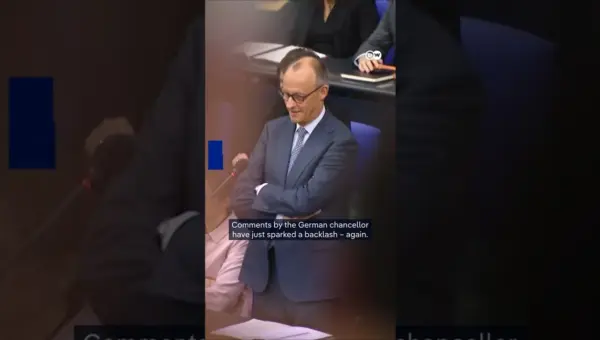
German Chancellor Links Violence Against Women to Migration
German Chancellor Friedrich Merz has sparked controversy by linking an increase in violence against women to migration. Official figures show a rise in domestic and digital violence, with non-Germans overrepresented as suspects, though critics argue this oversimplifies the issue and ignores the majority of German perpetrators.
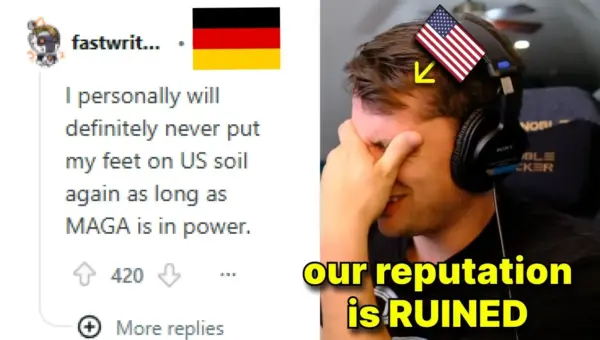
US Tourism Dips: Why Are Germans Turning Away?
German travelers are increasingly avoiding the U.S., citing concerns over political instability, safety, and gun violence. This has led to significant cuts in flights and a drop in demand, impacting the tourism industry. While America's natural beauty is still appreciated, current perceptions of unrest make it an unappealing destination for many.


Germany Faces Reform Crisis Amidst Far-Right Surge
Germany is struggling with political paralysis and deep social divides, fueling the rise of the far-right AfD. Analysts believe reforms are inevitable but difficult to implement due to public resistance and government credibility issues. Economic pressures may force the government's hand, but the path forward remains uncertain.