Greens Eye Shock By-Election Win Amid Shifting Political Landscape
The Green Party is reportedly on the verge of a historic by-election victory in Gorton and Denton, a result that could reshape British politics. The potential win highlights Labour's vulnerability and the fragmentation of the traditional two-party system, with Reform UK also emerging as a significant force.

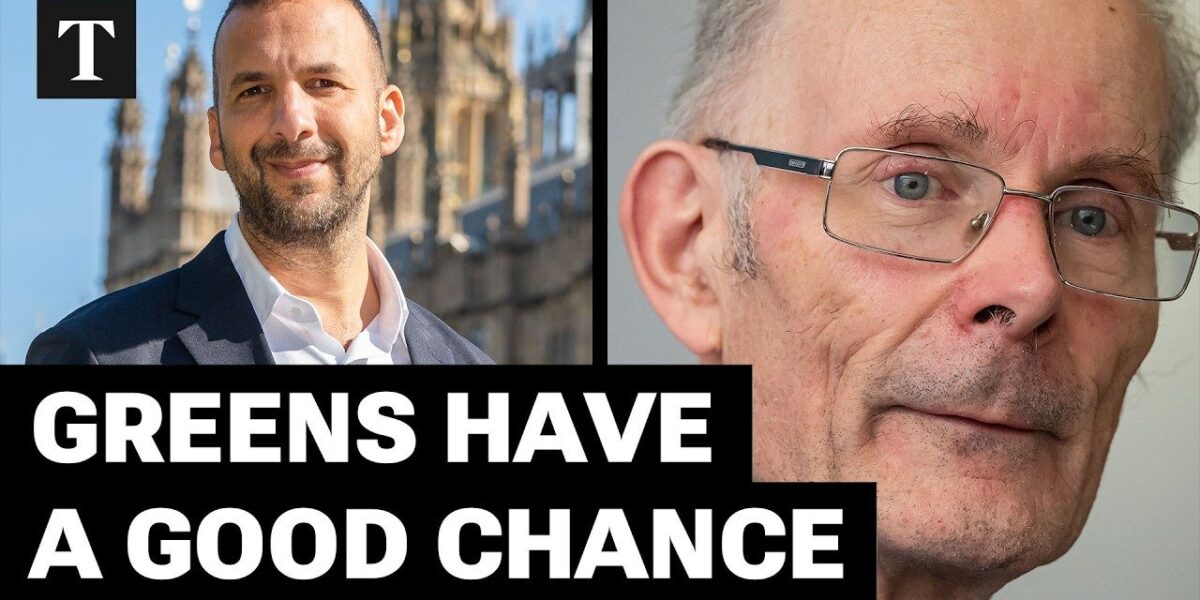
Greens Poised for Historic By-Election Victory in Gorton and Denton
In a potentially seismic shift for British politics, the Green Party is reportedly in strong contention to win the Gorton and Denton by-election, a result that would mark a historic first for the party and signal significant challenges for the Labour Party. While official results are pending, internal commentary from those at the vote count suggests the Greens may have secured victory, a feat previously considered highly improbable given their historical performance in by-elections.
Unprecedented Green Performance and Labour’s Vulnerability
Sir John Curtice, a leading psephologist, highlighted the extraordinary nature of this potential Green win. “Hither too, the Greens have never got more than 10% of the vote in a by-election. Uh, they have never won a parliamentary by-election before and now apparently perhaps still early days, maybe they’re in with a good chance of actually having managed to win this,” Curtice observed. Such an outcome would not only be a landmark achievement for the Greens but also a stark warning for Labour. Curtice calculated that the Greens’ performance in Gorton and Denton, if they win, could put more than half of the current parliamentary Labour Party on notice, as many MPs had smaller leads over the Greens in the 2024 general election than Labour’s margin in this constituency.
“Hither too, the Greens have never got more than 10% of the vote in a by-election. Uh, they have never won a parliamentary by-election before and now apparently perhaps still early days, maybe they’re in with a good chance of actually having managed to win this.”
Challenging the Two-Party Duopoly
The by-election has underscored a dramatic transformation in the British political landscape, moving away from the traditional two-party dominance of Labour and the Conservatives. Both major parties saw a record low combined vote share in the 2024 general election and continue to poll below 40% nationally. The Gorton and Denton contest has seen Reform UK also emerge as a significant contender, alongside Labour and the Greens. Curtice noted that if the Greens secure first place and Reform UK is also in contention, it would be the first by-election since the exceptional Rodale contest (where Labour withdrew support for its candidate, allowing George Galloway to run) where two parties other than Conservative and Labour have vied for first and second place.
The Conservatives have reportedly already conceded their deposit in this by-election, signalling their diminished influence. Curtice elaborated on the broader implications: “One of the fundamental questions facing British politics is what is the future of the traditional two-party duopoly of conservative and labor. Uh, they of course won a record low share of the vote in combination in the 2024 election, less than 60% and they are in combination running at less than 40% in the opinion polls.”
Labour’s Weak Foundations and Shifting Coalitions
Despite securing a parliamentary majority in the 2024 general election, Labour’s victory was built on a historically low vote share of 35%. Curtice suggested that the party’s foundations are weaker than perceived, citing a failure to fully reconnect with working-class voters and a loss of support among Muslim constituents. These issues appear to be central to the dynamics in Gorton and Denton, a constituency with a substantial Muslim population and a significant working-class base in the Denton area, where Reform UK has been actively challenging for votes.
Curtice explained: “The the difference between politics is represented at Westminster and the politics that’s reflected in the ballot boxes was bigger than it has been any previous election. So Labour’s foundations when they went into government were much weaker than perhaps we that they might have wanted and they didn’t they weren’t particularly successful at reconnecting with working-class voters which was one of their objectives and of course they also lost a lot of ground amongst those who identified with Muslims and both those issues are in play in this constituency.”
Record Low Turnout and Vote Share Concerns
While turnout figures are still being finalized, initial speculation suggests it may be around 45-46%, potentially matching the general election turnout—an unusual occurrence for a by-election. Regardless of the final turnout, there are concerns that the winning candidate might achieve a historically low share of the vote. Curtice recalled that the lowest share of the vote ever won by a by-election victor is 30%, and questioned whether this record could be broken, with the winner potentially securing less than 30%.
However, a higher turnout, if confirmed, could lend a veneer of impressiveness to the victory, even with a low vote share. The campaign itself has been marked by controversy, with accusations of misleading claims and unclear leaflet distribution, yet it may have succeeded in encouraging higher voter participation than typically seen in by-elections.
The Future of Electoral Strategy in a Multi-Party Era
The Gorton and Denton by-election has highlighted the increasing complexity of electoral strategy in what appears to be an emerging era of five-party politics within a single-member plurality system. Both Labour and the Greens reportedly focused their campaigns on convincing voters they were best placed to defeat Reform UK. Curtice suggested that in this fragmented political environment, arguments about who can best defeat specific parties become crucial, but only if voters clearly understand these dynamics.
He posited that Labour’s attempts to frame the contest as a choice between themselves and Reform may not have been sufficiently effective. “That will suggest, I think, that perhaps in so far as Labour want to challenge reform, simply relying on these kinds of tactical arguments and trying to say to green liberal Democrat voters, well, you may not like us very much, but you better vote for us because reform or even worse, that maybe actually Labour need to be able to come up with a rather more solid message that conveys actual positive reasons as to why voters should be voting for the party trying to rely on these other negative ways of going about,” Curtice advised.
Looking Ahead: What’s Next?
As the Gorton and Denton results are finalized, the political class will be closely watching the implications for national strategy. The potential Green victory and the strong performance of Reform UK underscore the erosion of traditional party allegiances. Labour faces the challenge of developing more compelling positive messages to counter the appeal of parties like Reform, rather than relying solely on tactical arguments. The coming months will likely see further analysis of these shifting voter preferences and how parties adapt their platforms and strategies to navigate this increasingly complex and unpredictable electoral map.
Source: Sir John Curtice: Mood Music Is Greens Might've Won Gorton And Denton By-Election (YouTube)

Related Articles


Reform UK’s Euphoria Curtailed by By-Election Setback
Reform UK's ambitions have been tempered by a recent by-election loss in Gorton and Denton, suggesting a plateau in their support. While the party still holds significant appeal, factors like candidate perception and broader voter consolidation against them pose challenges. The result prompts a strategic re-evaluation for Reform and has implications for the wider political landscape.

Labour Faces Leadership Crisis After Shock By-Election Defeat
Labour faces a potential leadership crisis after a historic by-election defeat, with the Green Party securing a long-held Labour seat. Political analysts and industry figures are predicting an imminent leadership challenge for Keir Starmer, citing discontent over national party decisions and the controversial blocking of Andy Burnham from contesting the seat.

Green Party Wins Historic By-Election in Labour Heartland
The Green Party has achieved an historic victory in the Gorton and Denton by-election, securing 40% of the vote and pushing Labour into third place. This result signals a potential realignment of voters and a significant challenge to Keir Starmer's leadership.