Greenpeace Fined $345 Million in Dakota Access Pipeline Lawsuit
A North Dakota court has ordered Greenpeace to pay $345 million to Energy Transfer in a lawsuit related to the Dakota Access Oil Pipeline protests. The environmental group plans to appeal the verdict and has launched a counter-suit in the Netherlands.

Greenpeace Ordered to Pay $345 Million in Dakota Access Pipeline Case
A North Dakota district court has ordered Greenpeace to pay $345 million USD to Energy Transfer, the company behind the controversial Dakota Access Oil Pipeline. The judgment, delivered nine years after Energy Transfer initially filed its lawsuit, stems from Greenpeace’s alleged role in orchestrating protests against the pipeline project. The ruling represents a significant financial blow to the environmental organization, though it is less than half of the $667 million initially awarded by a jury a year prior.
Background of the Dakota Access Pipeline Dispute
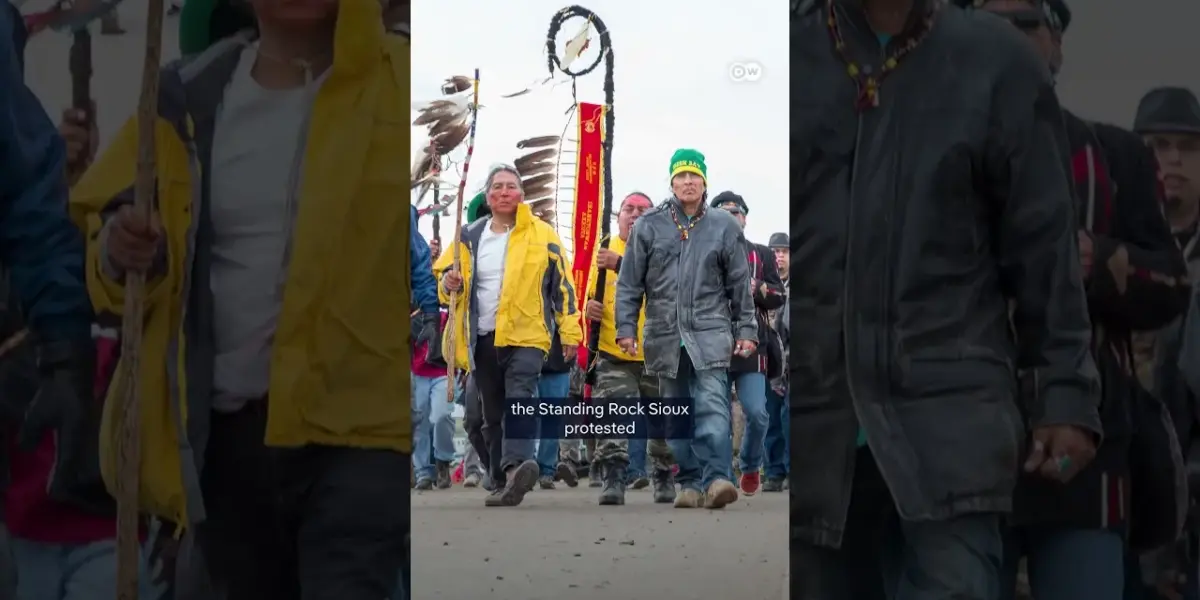
The Dakota Access Pipeline, which transports oil from North Dakota to Illinois, became a focal point of environmental and indigenous activism. Construction commenced in 2016, sparking fierce opposition from the Standing Rock Sioux Tribe. Their primary concern revolved around the potential for oil spills contaminating local waterways, a fear amplified by a history of over 500 pipeline incidents involving Energy Transfer and its subsidiaries, according to an analysis of public records.
Greenpeace’s Involvement and Legal Findings
An investigation by Energy Transfer concluded that Greenpeace supported protesters who actively attempted to block construction activities. Based on this evidence, the court found the non-governmental organization (NGO) guilty on multiple counts, including defamation, conspiracy, trespass, nuisance, and tortious interference. These findings underscore the court’s determination that Greenpeace engaged in actions that unlawfully hindered the pipeline’s development.
Greenpeace Vows to Appeal, Launches Counter-Suit
In response to the verdict, Greenpeace has announced its intention to seek a new trial. The organization has also initiated legal action against Energy Transfer in the Netherlands. This counter-suit is being pursued under European legislation aimed at combating what Greenpeace describes as “lawfare”—litigation tactics employed to silence activists and critics. Greenpeace asserts that such legal battles are designed to intimidate and stifle legitimate environmental advocacy.
Broader Implications for Environmental Activism
This substantial financial penalty against Greenpeace raises critical questions about the legal and financial risks faced by environmental advocacy groups. The verdict could set a precedent, potentially emboldening corporations to pursue similar legal challenges against organizations involved in protests and activism. The case highlights the escalating tensions between energy development projects and environmental protection efforts, and the increasingly complex legal landscape in which activists operate. The outcome of Greenpeace’s appeal and its counter-suit in the Netherlands will be closely watched, as they could shape future legal strategies for both corporations and activist organizations.
What’s Next?
The legal battle is far from over. Greenpeace’s pursuit of a new trial and its case in the Netherlands will determine the final financial and legal repercussions. The broader impact on environmental activism and corporate accountability remains a significant point of interest as these legal proceedings unfold.
Source: $345 Million verdict against Greenpeace | DW News (YouTube)

Related Articles


South Dakota Governor Kristi Noem Sued Over ICE Surveillance
Governor Kristi Noem and the Department of Homeland Security are being sued by citizens alleging the unlawful surveillance of protesters by ICE. The lawsuit details claims of facial scanning, vehicle tracking, and home visits, aiming to halt these alleged invasive practices.


ICE Sued for Alleged Surveillance of Protesters
A new lawsuit alleges that U.S. Immigration and Customs Enforcement (ICE) has been using advanced surveillance technology to spy on American protesters. The suit claims tactics like face scanning, car tracking, and home visits are being used, raising concerns about civil liberties and the agency's priorities.


States Sue Federal Government Over Unpaid Tariff Refunds
States like Illinois and Oregon are threatening to sue the federal government to recover money from tariffs, citing a Supreme Court ruling. While individuals lack legal standing, businesses and states are exploring collective legal action to reclaim owed funds.