Greene: Trump’s Third Term Bid Isn’t a Joke
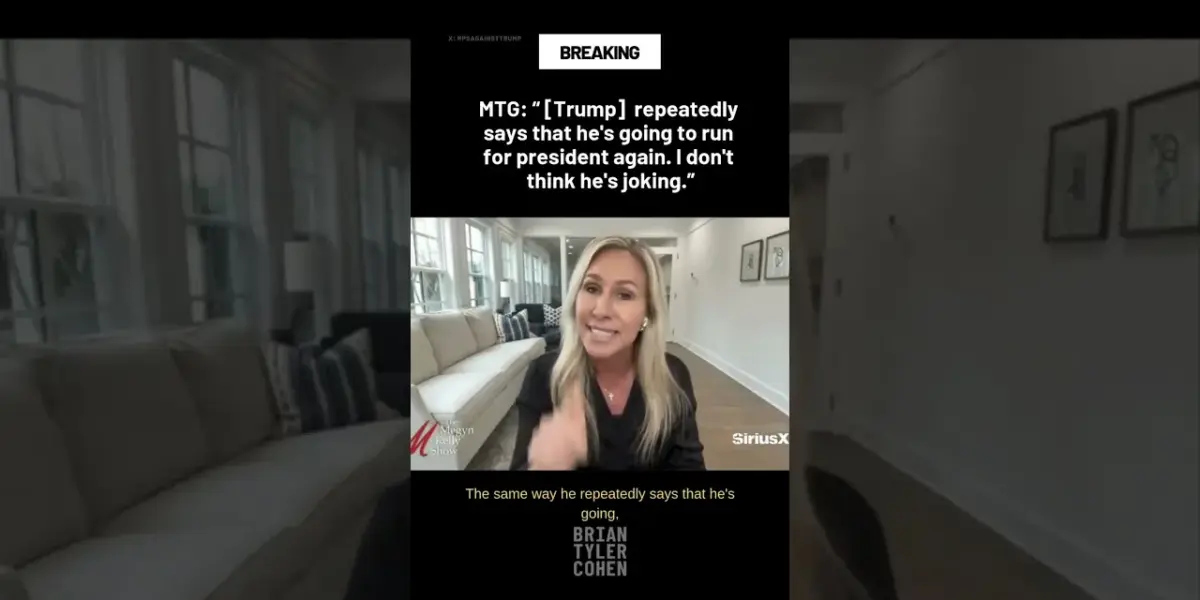
Marjorie Taylor Greene believes Donald Trump's discussions about a third presidential term are serious, not a joke. She questions his motivations and mental state, suggesting his aspirations may not align with the American people's interests.

Greene Claims Trump’s Third Term Ambitions Are Serious
Representative Marjorie Taylor Greene has asserted that former President Donald Trump is not merely joking when he discusses the possibility of running for a third presidential term. This declaration, made in a recent statement, suggests a significant political development that warrants closer examination. Greene’s firm conviction stems from her personal understanding of Trump, whom she claims to know “very well.” She posits that his repeated musings about a potential third run, which many have dismissed as rhetorical or even humorous, are in fact serious intentions.
A Shift from Stated Intentions?
Greene’s analysis directly challenges the common perception that Trump’s third-term discussions are a form of political theater or a way to maintain relevance. She argues that this is “not what we voted for” and characterizes the current political climate as “America last.” A key point of contention raised is Trump’s past promise to end “foreign wars.” Greene suggests that any current presidential aspirations, particularly those that might involve continued or expanded foreign entanglements, represent a departure from this earlier commitment.
Questioning the Motive and Mental State
Beyond the assertion of seriousness, Greene raises profound questions about the underlying motivations and mental state behind such ambitions. “I really want to know what is his mental state and who is he doing this for? Because it’s not for the American people,” she stated. This direct inquiry into Trump’s psyche and his purported beneficiaries highlights a deeper concern about leadership and its alignment with public interest. The implication is that if Trump is indeed serious about a third term, his reasons may not be altruistic or in service to the electorate.
Historical Context: Third Term Candidacies
The idea of a president seeking a third term is not unprecedented in American history, though it is rare and has faced significant political hurdles. The 22nd Amendment to the Constitution, ratified in 1951, formally limits presidents to two elected terms. However, this amendment was a response to Franklin D. Roosevelt’s unprecedented four terms, a period during which the nation navigated the Great Depression and World War II. Prior to FDR, the unwritten two-term tradition, established by George Washington, was widely respected. Ulysses S. Grant and Theodore Roosevelt both explored third terms but ultimately did not succeed in securing nominations or winning elections under the prevailing political norms of their times. The conversation around a third term for Trump, therefore, taps into a historical undercurrent of constitutional limits and the exceptional nature of presidential power.
The “America Last” Critique
Greene’s use of the phrase “America last” echoes a broader critique leveled against certain foreign policy approaches that prioritize international alliances or interventions over perceived domestic needs. This perspective often champions a more isolationist or nationalist stance, arguing that national resources and attention should be focused inward. When applied to a potential presidential campaign, “America last” suggests a concern that a candidate’s platform or past actions might indicate a willingness to expend national resources or political capital on foreign concerns at the expense of American citizens.
Implications for the Republican Party and Electorate
If Greene’s assessment of Trump’s seriousness holds true, it has significant implications for the Republican Party and the broader electorate. It signals a potential continuation of Trump’s influence over the party’s direction and a possible focus on a presidential campaign narrative that challenges constitutional norms. For voters, it raises questions about the viability and desirability of such a candidacy, particularly in light of past promises and the constitutional framework. The debate also forces a confrontation with the nature of political rhetoric versus genuine intent, and the challenges of discerning one from the other.
Future Outlook: A Contentious Path Ahead
The prospect of a serious third-term bid by Donald Trump, as suggested by Greene, points towards a potentially contentious future in American politics. It reignites debates about presidential term limits, the role of past promises in future campaigns, and the fundamental motivations of political leaders. The conversation is unlikely to subside and will undoubtedly be a central theme in discussions about the next presidential election cycle. The electorate will be tasked with evaluating the substance of such ambitions, the historical precedents, and the ultimate benefit to the nation.
Why This Matters
Greene’s assertion that Trump’s third-term discussions are not a joke is significant because it elevates a previously dismissed political possibility into a matter of serious consideration. If true, it suggests a strategic campaign objective that directly confronts constitutional norms and potentially revisits past policy promises. It forces a public and political reckoning with the nature of Trump’s political ambitions and the potential impact on the nation’s governance and foreign policy. The question of his “mental state” and who benefits, as posed by Greene, probes the ethical and practical underpinnings of leadership, urging a deeper scrutiny of candidates beyond mere campaign rhetoric.
Source: Marjorie Taylor Greene says Trump is NOT JOKING about running for a third term (YouTube)

Related Articles


Texas Primaries Signal Shifting Political Tides
The Texas primaries offer a critical snapshot of the evolving American political landscape, revealing internal party dynamics and the issues that resonate with voters. These results signal shifts in ideological power and highlight the growing importance of demographic changes in shaping electoral outcomes.

Trump’s Iran Crisis: Begging Journalists for Strategy?
Former President Donald Trump is reportedly contacting journalists to 'workshop' ideas on handling the Iran situation, signaling a potential lack of strategic advisors. This unusual approach raises concerns about leadership and foreign policy decision-making.

Thune: President Has Authority for Iran Strikes, No Congress Approval Needed
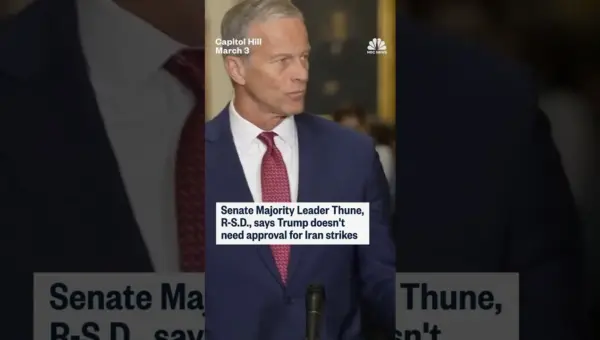
Senate Majority Leader John Thune stated that President Trump has the authority for military actions against Iran without needing further approval from Congress. This stance highlights ongoing debates about presidential war powers and national security.