Green Party’s Rise: Polanski on Hope, Hate, and the Monarchy
Green Party co-leader Zack Polanski discusses the party's growing popularity, attributing it to a public desire for hope and practical solutions. He addresses the party's stance on issues ranging from the cost of living and the monarchy to the Israel-Palestine conflict and international diplomacy, while also hinting at future leadership ambitions.

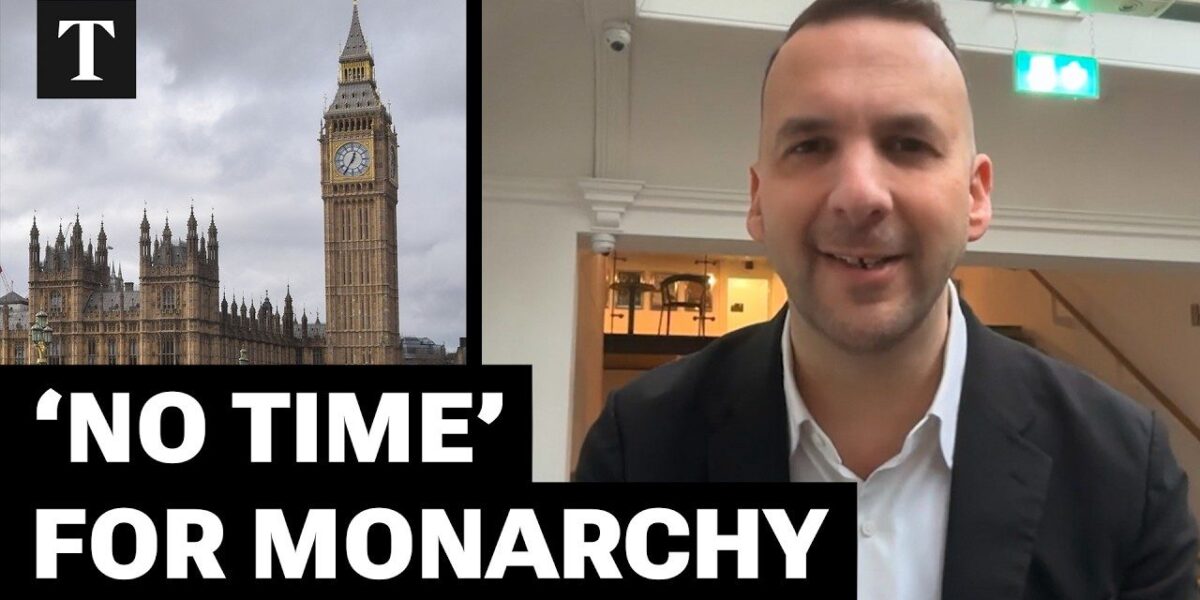
Green Party Gains Traction Amidst Shifting Political Landscape
The Green Party has experienced a significant surge in popularity, positioning itself as one of the UK’s five mainstream political forces in recent times. According to Green Party co-leader Zack Polanski, this ascent is driven by a public yearning for “hope to be normal again,” coupled with a desire for practical solutions to pressing issues like the cost of living and the protection of public services.
In an interview, Polanski articulated that the party’s appeal lies in offering a distinct alternative to the traditional politics of the Labour and Conservative parties. “Whereas Nigel Farage’s party looks to stoke hate and division, what the Green Party are always looking to do is both inspire hope in people, but also have practical solutions,” he stated, highlighting the record-breaking membership numbers as evidence of this growing acceptance.
Redefining ‘Left’ and ‘Right’ in British Politics
Polanski addressed the perception of the Green Party as being “left-wing” or even “far-left,” suggesting that the national conversation around political labels has become skewed. He argued that the government and the establishment have moved so far to the right on issues such as immigration and taxation that a common-sense platform, focused on the needs of the majority, can be mischaracterized as radical.
“I mean taxing the wealth of multi-millionaires and billionaires. I mean investing in our public services. I mean making sure that we’re putting the 99% of this country… putting their needs at the heart of our plan.”
This approach, Polanski explained, prioritizes the interests of the broader population over those of a select few, distinguishing the Green Party’s economic platform from what he described as the “old party politics.”
The Gorton and Denton By-Election: More Than Just a Seat
While acknowledging that not winning the Gorton and Denton by-election would be “incredibly disappointing,” Polanski framed the contest as a potential turning point for British politics. He asserted that the Green Party has already demonstrated its ability to be a viable alternative to prevent the election of other parties, moving beyond a purely oppositional stance.
The party’s focus, he emphasized, remains on tangible issues such as lowering people’s bills, investing in the National Health Service (NHS), and nationalizing water companies. “I think people are clear about what we stand for and I think that’s what people are dying for in politics is a party that’s authentic and clear about what it intends to do,” Polanski said.
The Israel-Palestine Conflict and Electoral Strategy
Addressing the role of the Israel-Palestine conflict in the Gorton and Denton campaign, Polanski stated that while lowering people’s bills and economic concerns are paramount, international human rights and justice are also significant issues for many voters.
“At the same time, you can both do all of that and recognize that there’s been an ongoing genocide in Gaza for a few years now that our government has not just been complicit in, but actively been arming… So that’s definitely been a part of the campaign in Gorton and Denton because I think whether that’s with the Muslim community or people from non-faith communities, lots of people care about international human rights.”
He pushed back against the accusation that the party is using sectarianism or cynical tactics to target specific communities, asserting that it is “incumbent on anyone who wants to make sure that morality or ethics is at the heart of their politics to question that, to call it out.”
Debate Over ‘Zionism is Racism’ Motion
Polanski’s stance on a forthcoming party conference motion titled “Zionism is racism” was carefully considered. He described the Green Party as a “democratic party” where members can propose policies, and indicated he would listen to the debate.
When pressed on whether he accepted the motion’s premise, Polanski stated that it depends on the definition of Zionism. He clarified:
“If we’re talking about the definition that this Israeli government are clearly perpetrating through a genocide in Gaza, then yes, absolutely that’s racist. And I’ll vote for it.”
He also affirmed that pro-Israeli individuals who do not support the actions of the Israeli government would be welcome in the Green Party, distinguishing between support for the state of Israel and support for actions that he characterized as genocidal. Polanski stressed the importance of equality and human rights for both Israeli and Palestinian people, advocating for a diplomatic solution over a focus on the rights of states.
Monarchy, Republicanism, and Allegiance
On the subject of the monarchy, Polanski identified himself as a Republican but conceded that abolishing the monarchy is not the public’s “first priority” given current economic pressures.
However, he suggested that the monarchy is “doing a pretty good job of turning public sentiment against them” through various scandals, including those involving Prince Andrew. Polanski called for a statutory inquiry into public institutions for transparency and accountability.
When asked if he would swear allegiance to the King if elected as an MP, Polanski described the requirement as “problematic” but acknowledged it as a “necessary thing that you’d have to do.” He indicated he would do so “with gritted teeth,” implying a lack of personal conviction but a commitment to the democratic process.
Leadership Aspirations and International Relations
Polanski, who has significantly increased the Green Party’s membership and poll ratings as leader, stated his readiness to run for Parliament, likely in a London seat. He expressed confidence in his ability to lead a successful political party from outside Parliament but indicated a future ambition to enter the House of Commons.
Regarding the war in Ukraine, Polanski reiterated his distrust of Vladimir Putin but argued against ruling out diplomacy. He advocated for “cool heads” and exhausting all diplomatic and democratic options, including sanctions, before resorting to full-scale war. He proposed the creation of an alternative alliance to NATO, suggesting a stronger relationship with European neighbors and expressing skepticism about reliance on the United States, particularly under unpredictable leadership.
He also reiterated the Green Party’s policy to move away from nuclear deterrence, arguing that nuclear weapons do not enhance safety and that resources should be directed towards addressing threats like pandemic resilience, cybersecurity, and food scarcity, which he described as the “huge threats to this country right now.”
Looking Ahead: The Green Party’s Future Trajectory
As the Green Party continues its upward trajectory, its focus on practical solutions, authenticity, and a redefinition of political discourse positions it as a significant player in the UK’s political future. The upcoming general election will be a key test of whether this momentum can translate into substantial parliamentary representation, with the party’s stances on international conflicts, economic policy, and the very structure of British governance likely to remain at the forefront of public debate.
Source: Zack Polanski: I'd Pledge Allegiance To King With Gritted Teeth (YouTube)

Related Articles

Reform UK’s Euphoria Curtailed by By-Election Setback
Reform UK's ambitions have been tempered by a recent by-election loss in Gorton and Denton, suggesting a plateau in their support. While the party still holds significant appeal, factors like candidate perception and broader voter consolidation against them pose challenges. The result prompts a strategic re-evaluation for Reform and has implications for the wider political landscape.
Labour Faces Leadership Crisis After Shock By-Election Defeat
Labour faces a potential leadership crisis after a historic by-election defeat, with the Green Party securing a long-held Labour seat. Political analysts and industry figures are predicting an imminent leadership challenge for Keir Starmer, citing discontent over national party decisions and the controversial blocking of Andy Burnham from contesting the seat.

Green Party Wins Historic By-Election in Labour Heartland
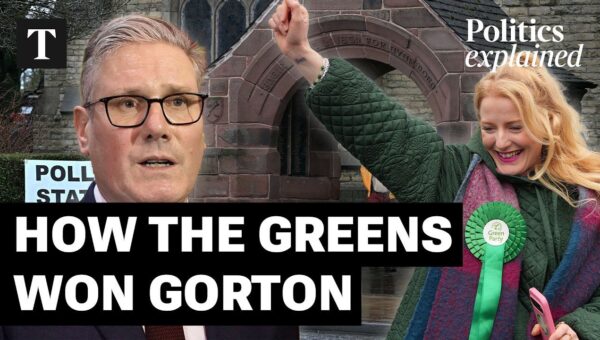
The Green Party has achieved an historic victory in the Gorton and Denton by-election, securing 40% of the vote and pushing Labour into third place. This result signals a potential realignment of voters and a significant challenge to Keir Starmer's leadership.