Graham: US Won’t Pick Iran’s Next Leader
Senator Lindsey Graham asserts that the U.S. will not choose Iran's next leader, emphasizing the objective is to dismantle the nation's capacity as a state sponsor of terrorism. He described the current situation as the 'mothership of terrorism sinking' and highlighted potential for historic regional normalization.

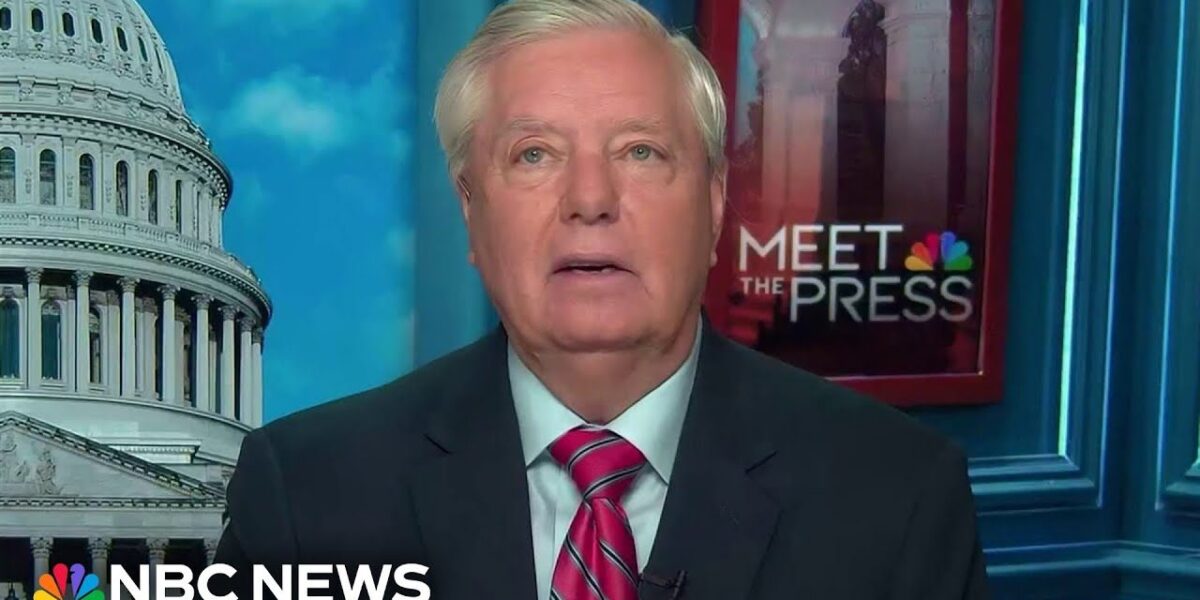
Graham: US Won’t Pick Iran’s Next Leader
South Carolina Senator Lindsey Graham stated emphatically that the United States will not select Iran’s next leader following the death of Supreme Leader Ayatollah Ali Khamenei. In a wide-ranging interview on Sunday, Graham outlined the U.S. objective as dismantling Iran’s capacity to be a state sponsor of terrorism, rather than dictating its internal political succession.
‘Mothership of Terrorism is Sinking’
Senator Graham characterized the situation following Khamenei’s demise as the “mothership of terrorism sinking” with its “captain dead.” He asserted that Iran, the world’s largest state sponsor of terrorism, is on the verge of collapse. The primary goal of the ongoing operation, he explained, is to fundamentally alter Iran’s threat capabilities, not necessarily to impose a regime change dictated by the U.S.
“When this operation is over, no matter who takes over in Iran they will not have ballistic missiles to hurt us, Israel or the region. They will not have the capability to be the largest state sponsor of terrorism whether it’s a cleric or a group of representatives of the country where there’s an election. It doesn’t matter right now. Iran in the future will no longer be the largest state sponsor of terrorism. They cannot reign terror on the region. They cannot commit mass murder. That’s the goal of this operation.”
Graham credited President Trump with executing a plan that will ensure Iran is no longer capable of sponsoring terrorism on such a scale. He emphasized that this policy aligns with decades of U.S. efforts to counter the Iranian regime.
Iranian People to Choose Their Leader
When questioned about the U.S. role in selecting Iran’s next leader, Graham was unequivocal. “No,” he stated. “It’s up to Iran to pick your leader. It’s not my job. It’s not President Trump’s job.” He clarified that there would be no American boots on the ground and that the U.S. aims to empower the Iranian people to chart their own destiny. The objective, he reiterated, is to prevent any future Iranian government, regardless of its composition, from becoming the world’s leading state sponsor of terrorism.
The Senator expressed a desire for a positive future relationship with Iran, contingent on the choices made by its people. “We want to be your friend. We’d like to have a good relationship with you going forward, but that is up to you.”
Paving the Way for Regional Normalization
Graham highlighted the potential for historic shifts in the Middle East, particularly concerning normalization between Saudi Arabia and Israel. He stated his intention to focus efforts on building upon the work initiated with President Biden to achieve this normalization, should the fall of the current Iranian regime facilitate it.
“If the fall of this regime would lead to normalization between Saudi Arabia and Israel, the center of gravity for Islam is Saudi Arabia, the one and only Jewish state, if they can make peace and have a normal relationship because this regime fell it would be historic. Taking the regime down is a big deal. Normalization between Saudi Arabia and Israel is a historic deal. That’s where I’m going to spend my time and energy.”
Addressing Concerns of ‘Forever Wars’
Responding to concerns about the potential for prolonged conflict, reminiscent of past interventions, Graham dismissed the notion of a “forever war.” He asserted that the U.S. would prevail, with the backing of Arab nations who are also seeking to dismantle the Iranian regime’s influence. He envisioned a scenario where Arab countries would join military efforts to achieve this goal.
Graham drew a parallel to the successful operation against Osama bin Laden under the Obama administration, stating that this action against the Iranian regime is also the “right thing to do.” He characterized the regime as “religious Nazis” with a destructive agenda for the region and the world, and argued that negotiations with such entities are futile.
‘America First’ Reinterpreted
Addressing criticisms that the actions might contradict the “America First” agenda, particularly regarding non-intervention and opposition to regime change, Graham offered a reinterpretation. He argued that “America First” means ensuring that no regime wishing to harm America can do so, and that potential adversaries lack the capability to attack the U.S. He stated that “America First is not isolationism” or burying one’s head in the sand, but rather actively neutralizing threats.
“America First is not isolationism. America First is not head in the sand. America First is not to get entangled. We’re not going to have any boots on the ground in Iran, but America First is to kill people who wish us ill with a record of trying to destroy us and the region, to take them off the table.”
He urged for celebration of the demise of a leader he described as one of the most evil men on the planet, responsible for terrorizing his own people and posing a significant threat through ballistic missile development and a nuclear program.
War Powers and Military Operations
On the question of congressional authorization for military action, Graham stated that President Trump does not need to seek a vote under the War Powers Act. He differentiated this from the authorization granted to George H.W. Bush, explaining that the current actions are military operations designed to eliminate specific threats against the U.S., including ballistic missile development, the pursuit of a nuclear program, and the maintenance of proxy networks responsible for American deaths.
He concluded by asserting that these operations are justified and will continue until the threats are neutralized. The goal is to ensure that a new Iran will not threaten America and will cease to be the largest state sponsor of terrorism, thereby opening up “historic opportunities” for the region.
Looking Ahead
The focus now shifts to the internal dynamics within Iran and the international response to the shifting geopolitical landscape. The success of the U.S. objective hinges on Iran’s ability to transition away from its role as a state sponsor of terrorism, while the prospect of Saudi-Israeli normalization looms as a significant potential outcome. The coming months will be critical in observing how these developments unfold and shape the future of the Middle East.
Source: Lindsey Graham says it’s ‘not our job’ to pick Iran’s leader after Khamenei's death: Full interview (YouTube)

Related Articles
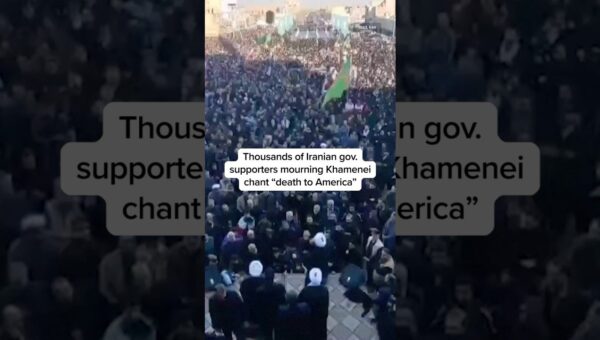
Thousands Mourn Khamenei, Chant ‘Death to America’ in Iran
Thousands gathered in Yazd, Iran, to mourn Supreme Leader Ayatollah Ali Khamenei following reported U.S. and Israeli strikes. The mourning ceremony was marked by chants of "Death to America," highlighting deep-seated anti-American sentiment amid geopolitical tensions.


Middle East Crisis Triggers Global Chaos: Flights, Oil Prices Hit
A major global crisis has erupted following coordinated strikes on Iran, triggering a massive retaliatory response that has impacted multiple countries across the Middle East. The large-scale attacks have caused widespread aviation chaos and pose significant risks to global energy markets and financial stability.
Iran’s Regime Under Siege: Attacks Cripple Leadership, Impact Russia
Iran's regime is reportedly facing critical blows from targeted attacks, crippling its leadership and severing a vital military supply line to Russia. This dual pressure is significantly impacting Russia's war efforts in Ukraine, while internal dissent grows within Iran.