Government Shutdown Strains TSA, Sparks Airport Chaos
A recent government funding bill's passage hasn't immediately fixed widespread airport delays. TSA staffing shortages, caused by delayed paychecks from the shutdown, are leading to extreme wait times. Travelers face missed flights and frustration, while TSA workers question their job security.

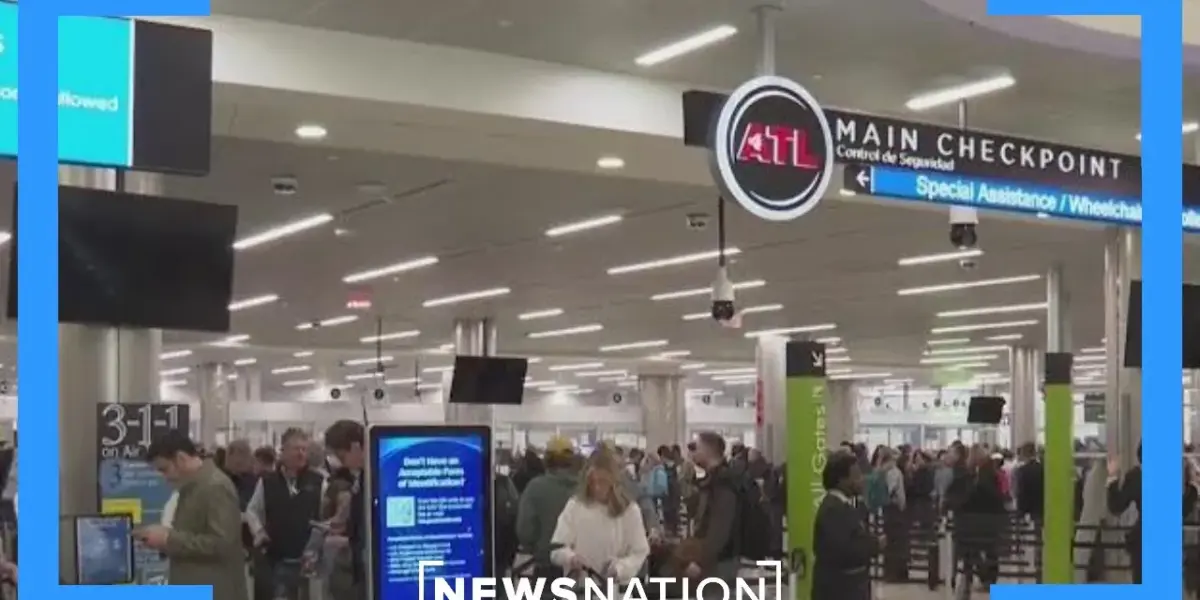
Shutdown Fallout: TSA Staffing Crisis Fuels Airport Delays
Long security lines and widespread travel anxiety continue to plague U.S. airports, even after a key government funding bill passed the Senate. The problems stem directly from the recent government shutdown. Many Transportation Security Administration (TSA) workers did not receive their paychecks on time. This has led to significant staffing shortages and a surge in employee absences.
Houston Airports Face Longest Waits
Houston’s Bush Intercontinental Airport remains the hardest-hit. Wait times for security checks have stretched to nearly three hours. This is an improvement from over four hours earlier in the week. The high number of TSA officers calling out sick or not showing up for work is the main reason for these delays. This situation has forced many passengers to miss their flights. They are then stuck trying to rebook while already waiting in line.
One traveler described the security situation as a “game of roulette.” Lines at Atlanta’s airport fluctuated wildly on Thursday. Waits ranged from just 30 minutes to several hours. This unpredictability adds to the stress and frustration for travelers.
ICE Officers Deployed, But Limited Impact
U.S. Immigration and Customs Enforcement (ICE) officers were sent to over a dozen airports. Their main role was to help with security and manage crowds. However, they cannot perform the specific duties of TSA screeners. The TSA’s own workforce is depleted. This means ICE officers can help manage the flow of people, but they cannot speed up the screening process itself.
Worker Dissatisfaction Lingers
The shutdown has had a lasting impact on TSA workers. Nearly 500 TSA officers have quit their jobs recently. More than 1,000 left after the previous government shutdown. A former TSA worker who now runs a travel newsletter stated that the damage is done. He believes TSA employees will not forget the experience. Even after they receive back pay, many will question if they want to continue working for the TSA.
TSA employs about 50,000 people nationwide. While the number of recent departures is a small percentage of the total workforce, it highlights deep dissatisfaction. Many TSA workers are not getting paid immediately after the shutdown ends. It will take time for their paychecks to arrive. This delay further erodes their trust in the agency.
Traveler Frustration Mounts
Passengers are not only facing long lines but also a lack of basic amenities. Many waiting areas lack access to food or restrooms. This is because travelers have not yet passed the security checkpoint. The combination of long waits, uncertainty, and poor conditions is leading to intense frustration. Travelers at Los Angeles International Airport (LAX) noted spending less time in the air than waiting to board their flights.
Global Impact
While this specific crisis is U.S.-based, it highlights a broader vulnerability in critical infrastructure. Government shutdowns can disrupt essential services, impacting national security and public trust. For international travelers, such delays can lead to missed connections and significant financial losses. It also reflects poorly on a nation’s ability to manage its own systems effectively. This can affect tourism and business travel. The reliance on a well-staffed and motivated workforce is crucial for smooth operations. When that workforce is not properly supported, the consequences can be severe and far-reaching.
Why This Reshapes the World Order
This event is not a direct shift in global power. However, it underscores how domestic policy failures can have international consequences. It shows the fragility of systems we rely on. It also highlights the importance of government stability for international trade and travel. A government that struggles to pay its essential workers may face questions about its overall reliability. This can influence how other nations view its leadership and stability.
Historical Context
Government shutdowns are not new in U.S. history. They have occurred periodically when Congress and the President cannot agree on spending bills. The 2018-2019 shutdown, the longest in history, also led to TSA staffing issues. This current situation demonstrates a recurring problem. It shows that lessons from past shutdowns may not have been fully learned or implemented. The issue of federal employee compensation and the impact of shutdowns on morale have been discussed for decades.
Economic Leverage
The immediate economic impact is on travelers. They face costs from missed flights, rebooking fees, and lost time. Businesses that rely on air travel also suffer. The TSA’s ability to function is directly tied to its budget and staffing. When funding is uncertain, it creates economic instability within the agency. This instability then ripples outward to the entire travel industry. The government’s ability to fund essential services is a form of economic power. When it falters, that power is diminished.
Regional Alliances and Power Balances
This event does not directly involve regional alliances. However, it can indirectly affect perceptions of U.S. competence. A smoothly functioning transportation system is vital for a global economic power. Disruptions can lead allies and competitors alike to question U.S. administrative capabilities. This could subtly influence diplomatic and economic relationships.
Future Scenarios
One likely scenario is that TSA will work to improve retention and recruitment. This may involve better pay or benefits. Another possibility is that future funding disputes will continue to cause similar disruptions. Travelers may become more hesitant to book flights during periods of potential government shutdowns. A less likely scenario is a complete overhaul of the TSA screening process, perhaps involving more private sector involvement. However, the immediate focus will likely be on restoring confidence and ensuring adequate staffing levels.
Source: Airport delays linger as DHS funding bill passes Senate | NewsNation Live (YouTube)

Related Articles

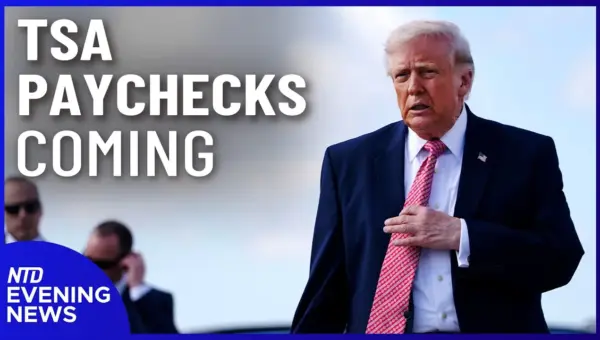
Government Shutdown Sparks TSA Pay Chaos; Woods Arrested
The government shutdown caused major disruptions, leading to TSA agents working without pay and President Trump signing an order to ensure their compensation. Meanwhile, golf icon Tiger Woods was arrested following a car crash in Florida. The news cycle also covered US operations in Iran, support for American farmers, political discussions at CPAC, election record disputes, and lawsuits against social media companies for their impact on students.

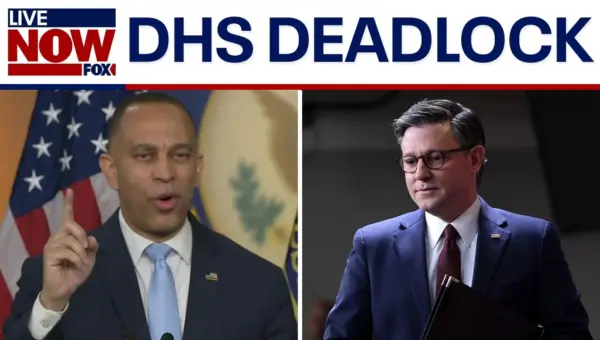
Democrats Demand End to DHS Shutdown, Pass Bipartisan Bill
Democrats are demanding an immediate end to the Department of Homeland Security (DHS) shutdown, urging House Republicans to pass a bipartisan Senate bill. The legislation aims to fund essential services, pay TSA agents, and end airport chaos. Democrats criticize Republicans for obstructing the bill to push ideological agendas and reform ICE.


Gov’t Shutdown Grips Nation as Markets Plunge
The U.S. government shutdown continues, causing historic airport delays and deepening political gridlock as lawmakers reject compromise deals. Meanwhile, Wall Street experienced a sharp sell-off, with the Dow entering correction territory amid rising global oil prices and escalating tensions with Iran over control of the Strait of Hormuz.