Government Shutdown Sparks Fierce Debate Over Funding
The longest government shutdown in U.S. history continues as Congress remains at odds over funding the Department of Homeland Security. President Trump signed an order to pay TSA employees after a deal stalled, while House Republicans rejected a Senate bill over immigration funding. Analysts predict continued negotiations even during the congressional recess.

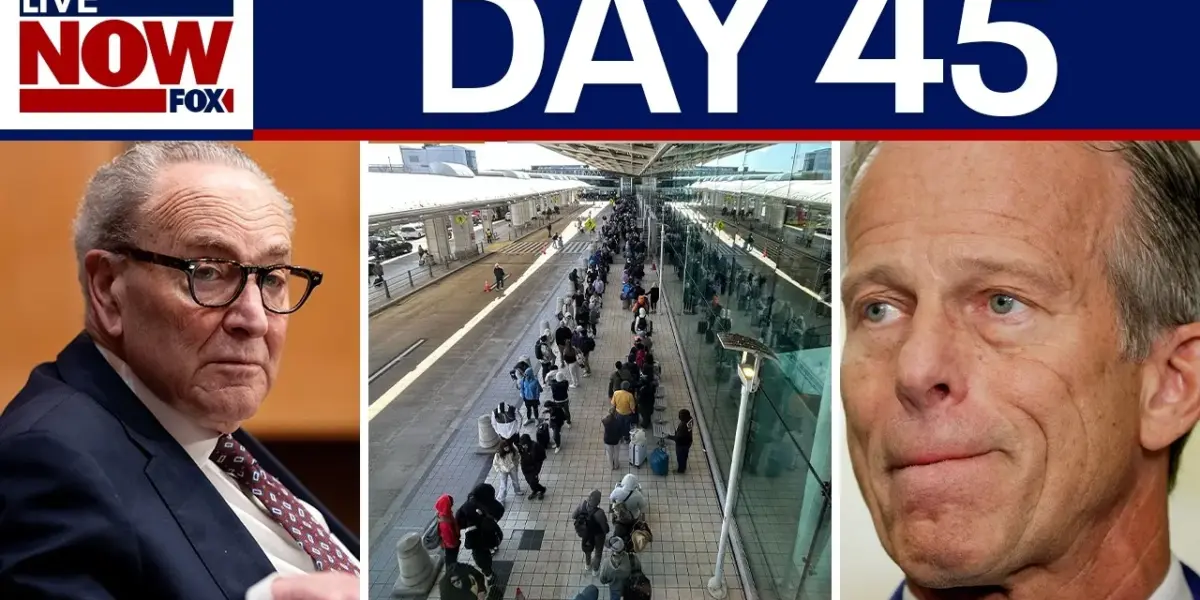
Government Shutdown Enters Historic Territory
The partial U.S. government shutdown has now become the longest in American history, creating significant disruptions and sparking intense political debate. As of this reporting, essential services are strained, and federal employees are facing delayed paychecks. President Trump recently signed an executive order to ensure TSA employees receive pay, a move that came after a deal to do the same stalled in Congress.
House Rejects Senate Funding Bill
House Speaker Mike Johnson rejected a bill passed by the Senate that aimed to partially fund the Department of Homeland Security and the Transportation Security Administration (TSA). House Republicans were reportedly angered by the Senate’s measure because it did not include funding for Immigration and Customs Enforcement (ICE) and Border Patrol. Democrats, however, have refused to fund these agencies without changes to immigration enforcement practices.
Senators had already left Washington for a two-week recess after passing their bill. This means it would take time for them to return to session if the House were to pass a different measure. The situation leaves much of the funding issue uncertain as the shutdown continues.
Political Analysts Weigh In on the Stalemate
Political analyst and historian Rich Rubino described the situation as a significant fight, not just between Democrats and Republicans, but also between the Senate and the House of Representatives. “Mike Johnson basically said this is dead on arrival,” Rubino stated, calling the Senate’s proposal “detestable.” Johnson insists on funding the entire Department of Homeland Security, including the immigration agency.
Meanwhile, Senate Majority Leader John Thune has indicated he will not bring his members back from their recess to address the issue. Rubino noted that this presents “very bad optics” for both chambers of Congress.
Recess Amidst Crisis: What Happens Next?
Despite being on a scheduled two-week recess, Rubino believes work will continue behind the scenes. “Technically, when they’re on recess, that’s really a working recess,” he explained. “They’re supposed to go back to their states and their districts and they’re supposed to do district and state work.”
Rubino anticipates numerous phone calls between House Speaker Mike Johnson, Senate Majority Leader John Thune, and potentially President Trump and Democratic leadership. “It would be very hard to see a scenario where they go back to their states… and they do not deal with this,” Rubino said, predicting constituents affected by the shutdown would demand action.
Shifting Party Ideologies on Government Funding
The shutdown highlights a shift in traditional party stances on government funding. Traditionally, Republicans favored less government and Democrats supported more encompassing government roles. However, Rubino observes Democrats now pushing for more restrictions on ICE agents, such as requiring judicial warrants and increased transparency.
Conversely, Republicans are arguing for full funding of agencies like ICE. Rubino believes this dynamic is partly due to President Trump’s influence on party ideologies. He also pointed to factions within parties, such as the conservative House Freedom Caucus, advocating for specific legislation like the Save America Act to be tied to funding bills.
Public Opinion and Electoral Considerations
House Minority Leader Hakeem Jeffries took to social media, stating, “Republicans created chaos at airports across America. They can end it tomorrow. Bring the House back. Pass the bipartisan bill. Pay TSA. The American people deserve better.”
Rubino discussed how government shutdowns have historically impacted elections. He cited President Bill Clinton’s use of the 1995-1996 shutdowns to his advantage, leading to a landslide reelection victory. Conversely, he noted that recent shutdowns have often benefited Democrats politically, posing a delicate challenge for Republicans seeking to avoid negative electoral consequences.
Presidential Authority and Executive Orders
The President’s decision to sign an executive order for TSA employee pay is seen as a rare move. “This is very rare for a president to do this,” Rubino commented. “It’s not something that is typically done… but I think that the president saw that he has authority to do this here.” This action highlights a president asserting authority to address a critical aspect of the shutdown.
Focus on the SAVE Act
Beyond the immediate shutdown, Rubino highlighted the SAVE Act as a major legislative priority for President Trump and many in Congress. This act proposes requiring voter identification for voting and specific documentation, like birth certificates, for voter registration.
The SAVE Act faces strong opposition from most Democrats, with some exceptions like Texas Democrat Henry Cuellar. Republicans largely support the bill, though some, like Senator Lisa Murkowski, express concerns about potential hardships for voters in rural areas of Alaska. Rubino expects the SAVE Act to be a significant issue in upcoming midterm elections.
Looking Ahead
The ongoing government shutdown, the longest in U.S. history, continues to create uncertainty and political tension. While Congress is in recess, behind-the-scenes negotiations are expected. The debate over funding the Department of Homeland Security, the role of immigration enforcement, and the potential impact on future elections remain critical points to watch.
Source: DHS shutdown now longest in U.S. history (YouTube)

Related Articles

Johnson’s Shutdown Blunder Sinks GOP House Hopes
House Speaker Mike Johnson's refusal to fund the Department of Homeland Security has put Republicans in a tough spot. This move could cost them control of the House, as the dispute threatens to drag on and alienate voters.
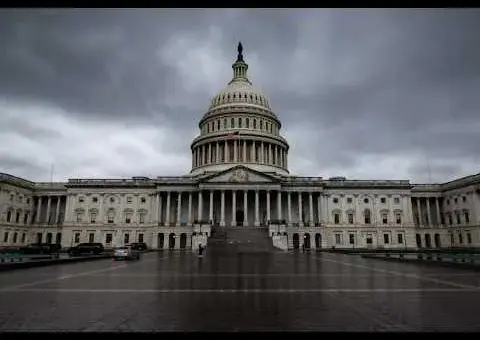
GOP Eyes Party-Line DHS Funding to Sidestep Democrats
Republicans are considering a party-line strategy to fund the Department of Homeland Security (DHS) through budget reconciliation. This move aims to bypass Democrats and secure funding for the next three years, removing a key point of leverage in future negotiations and potentially setting a precedent for partisan legislation.


MAGA Movement’s Grip: Echoes of January 6th Persist
Audio from January 6th reveals a disturbing justification for the actions of Ashli Babbitt, highlighting the persistent and troubling narratives within parts of the MAGA movement. This mindset continues to pose challenges to democratic norms.