Government Admits Microplastics Pose Health Threat
The U.S. government is now potentially classifying microplastics and pharmaceuticals as drinking water contaminants, validating long-held public concerns. This marks a significant shift towards studying and understanding the health impacts of these widespread substances.

Government Admits Microplastics Pose Health Threat
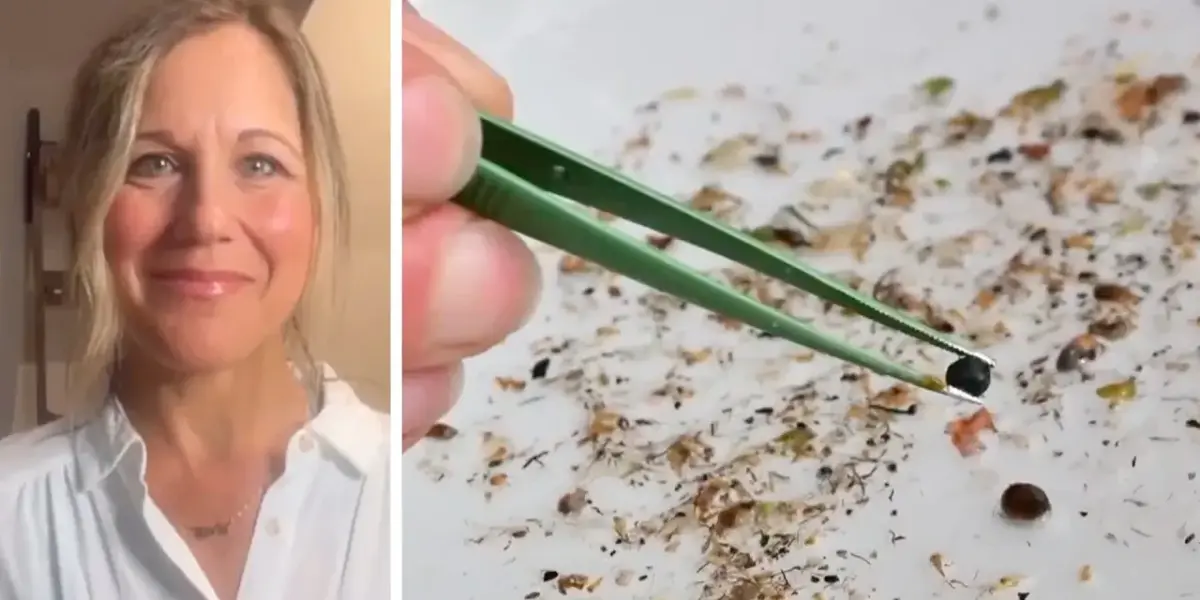
The U.S. government is taking a significant step by potentially classifying microplastics and pharmaceuticals as contaminants in drinking water. This move, announced by the health department through a new study program, signals a serious look at substances that have long been suspected of harming our health. For years, many have discussed these issues, but official government action has been slow to follow.
Recent studies show just how widespread these tiny plastic particles are. They’ve been found in over 80% of people tested. One study suggests the average person swallows tens of thousands of microplastic particles every year. These come from the food we eat, the water we drink, and even the air we breathe. Another report found plastic concentrations in the human brain that, by weight, are like a spoonful of plastic in every brain. Alarmingly, this concentration has increased by 50% since 2016.
Why Now?
Jennifer Galardi, a senior policy analyst at the Heritage Foundation, explains that this isn’t entirely new. “It’s not only happening now,” she stated. “And one of the things I love most about this announcement, it is that it’s taking yet another one of these so-called fringe conspiracy theories… and proving that there’s actually substance and critical thought behind them.” For years, people have been talking about and studying these issues, but government agencies haven’t given them serious attention. Now, two major government bodies are examining them as possible causes of our growing chronic disease epidemic.
Galardi points to a new, cooperative approach within the government. “We’ve seen this amazing partnership between Brook Rollins and the Department of Agriculture and HHS Secretary Kennedy. And now we’re seeing Secretary Kennedy reach out to cooperate with Lee Zeldon at the EPA.” This teamwork is central to what MAHA, a movement for restoring American wellness, represents. It’s this demand for cooperation and real change from the public that Galardi believes will keep the movement going long after the current administration leaves office.
EPA’s Role and Future Regulations
EPA Administrator Lee Zeldon confirmed the agency’s plan to fund more research. “For too long, Americans have been ignored as they sound the alarm about plastics in their drinking water. That ends today,” he said. This new research will help understand the risks of these substances in our water and advance scientific understanding.
The EPA is adding microplastics and pharmaceuticals to the sixth contaminant candidate list. This means they will be treated as priority contaminant groups. More funding and research will be directed towards them. While this doesn’t immediately set limits or rules, it opens the door for future regulations. The initial focus is on understanding how these contaminants get into our bodies, what happens once they are there, and how we might remove them.
The Ubiquitous Nature of Plastics
Addressing the microplastic issue is complex because these contaminants are everywhere. They are found throughout the food chain and come from synthetic clothing and everyday plastic items. Dr. Wayne Gold, Director of NYU’s Investigation of Environmental Hazards, calls plastics an “urgent and multi-dimensional threat to human health.” He noted that beyond microplastics, the chemicals used in plastic materials also pose risks.
Galardi acknowledges that solving this problem isn’t as simple as cutting out an unhealthy food. “It’s not as easy as food,” she said. She compares the situation to glyphosate, a widely used herbicide. “We’ve been kind of consuming… things around plastics for a long time. And it’s that built-up risk.” The goal is to conduct proper risk assessments and understand contaminant thresholds. Transparency is key.
Many everyday items contain plastics, from cookware to clothing. “They spray it on clothing before it gets sold,” Galardi mentioned. The government’s approach, like that taken with food guidelines, is not about banning products. Instead, it’s about being transparent about potential harms and letting consumers make informed choices. “The more transparent you are, the more research we have, the less likely people are going to go, ‘Oh, I’m going to cook with this spatula or use this pan that has a protective coating because it’s non-stick.'” This transparency is already leading to grassroots changes, with people naturally opting for healthier alternatives.
Consumer Choices and Solutions
Galardi highlighted the issue of bottled water, especially when stored in warm places like cars. Heat can cause chemicals to leach from the plastic into the water. She recommends using reusable glass bottles, a practice she has followed for years. “Those of us who have been in the MAHA movements have been making taking these steps for for decades,” she said.
For those concerned about tap water, Galardi suggests using water filters. Various types are available, from countertop models to whole-house systems. “A lot of the filters now… are catering to consumers who want to be able to filter these microplastics out of their water.” This increased consumer demand is driving technological advancements in filtration systems.
Why This Matters
The government’s acknowledgment of microplastics and pharmaceuticals as potential contaminants is a critical turning point. It validates long-held concerns and opens the door for crucial research and potential regulation. This shift highlights a growing awareness of how environmental factors impact public health. The cooperative, interdisciplinary approach being taken by different government agencies suggests a more effective way to tackle complex health issues. Ultimately, this could lead to safer drinking water and a better understanding of the long-term health effects of widespread plastic and pharmaceutical pollution.
Implications and Future Outlook
This development signals a potential shift in how we view and manage public health. The focus on transparency and consumer choice, rather than immediate bans, suggests a gradual approach to addressing pervasive environmental contaminants. As more research emerges and public awareness grows, consumer behavior is likely to change, driving the market towards more sustainable and less harmful products. The MAHA movement’s emphasis on cooperation and long-term change indicates that these efforts are likely to continue, pushing for a healthier future.
Source: MAHA Will Last Beyond Current Administration: Senior Policy Analyst (YouTube)

Related Articles


US Health Agency Nears Autism Cause Discovery
The U.S. Department of Health and Human Services is reportedly nearing a breakthrough in understanding the causes of autism. A significant federal investment in research is yielding data that may reveal the interplay between genetics and environmental triggers. This effort aims to provide answers for families and improve public health strategies.

RFK Jr.’s Microplastic Plan: A Bold Move to Clean Our Bodies
HHS Secretary Robert F. Kennedy Jr. has announced a $144 million plan called STOP to target microplastics inside the human body. The initiative aims to identify, understand, and remove these particles. The EPA is also taking steps to safeguard drinking water from similar contaminants.


Microplastics Invade Our Bodies: Public Reacts to Food Safety Concerns
Everyday Americans are increasingly aware of and concerned about microplastics found in their food and bodies. Public reactions reveal shock, helplessness, and distrust in corporate motives, alongside a cautious hope for government action to ensure food safety for future generations.