GOP’s House Floor Meltdown Exposes Deep Divides
A heated debate on the House floor revealed deep divisions within the GOP, with accusations of misrepresenting tax burdens and shifting blame for economic woes. The exchanges also touched on controversial fundraising tactics and internal party disagreements over foreign policy.

GOP’s House Floor Meltdown Exposes Deep Divides
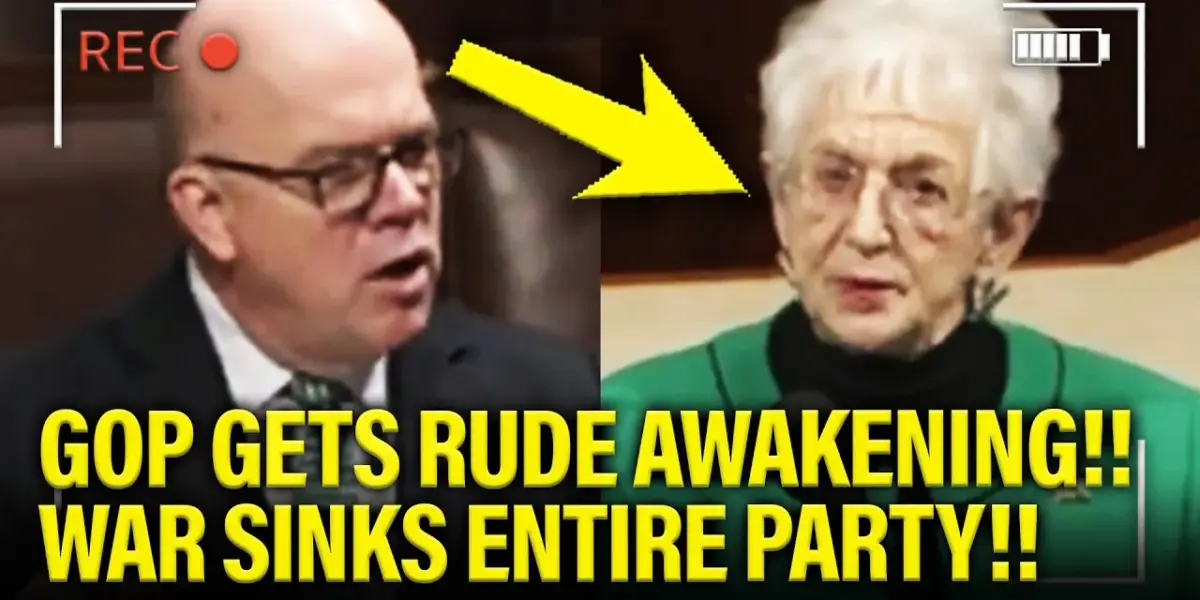
The halls of the U.S. House of Representatives recently became a stage for heated debate, revealing stark disagreements within the Republican party. A particular exchange, fueled by comments from MAGA Republican Congresswoman Virginia Foxx, highlighted a growing disconnect between some elected officials and the everyday struggles of Americans.
Tax Talk and Economic Woes
The controversy began when Congresswoman Foxx suggested that working-class people, rather than the wealthy, were the ones “screwing us all over” regarding taxes. She argued that while the wealthy might seem to pay less in taxes as a percentage of their income, they actually contribute more to the nation’s tax revenue overall. This perspective quickly drew fire from Democrats.
Democratic Congressman Jim McGovern responded sharply, calling out Foxx’s statements as “half-truths.” He pointed out that the wealthy pay over 50% of all taxes collected in the country. McGovern then pivoted to broader economic concerns, criticizing the Republican focus on tax cuts for the rich while ignoring pressing issues like the rising cost of living. He questioned where the money was for essential services, contrasting it with the significant daily spending on a war in Iran.
“We don’t have money to help make sure that we can lower energy costs for senior citizens. We we don’t have money to make sure our kids get nutritious breakfastes and lunches in schools.”
Gas Prices and Shifting Blame
Another point of contention was the issue of gas prices. Congresswoman Foxx claimed that gas prices, while having recently increased, were still significantly lower than during President Biden’s term and were cut almost in half under President Trump. Congressman McGovern vehemently disputed this, presenting data that showed average gas prices had risen substantially under the current administration and were approaching $4 a gallon.
McGovern accused Republicans of using distractions and shifting blame to immigrants and transgender individuals instead of addressing the real problems facing Americans. He argued that the party was more focused on fundraising and political theater than on helping their constituents with issues like affordable housing, healthcare, and jobs.
Fundraising Off Tragedy?
The debate escalated further when McGovern brought up accusations that former President Donald Trump was fundraising off the dignified transfer of fallen service members. He described a situation where Trump allegedly used a photo of a casketed soldier in a fundraising email, calling it a “grotesque” and “vile” act. McGovern challenged any Republican to defend such behavior, emphasizing the disrespect shown to troops and their families.
Internal GOP Dissent on Foreign Policy
Beyond the partisan clashes, the transcript also touched upon internal divisions within the Republican party, particularly concerning foreign policy and the ongoing war in Iran. The resignation of Joe Kent, a former head of counterterrorism and a decorated combat veteran, from a Trump-appointed position was highlighted. Kent cited his opposition to the war in Iran as his reason for leaving, stating it contradicted the anti-war stance he believed the MAGA movement represented.
This resignation sparked debate, with figures like Laura Ingraham questioning Kent’s motives and suggesting he had become a “liberal darling.” Conversely, commentators like Dan Bongino defended Kent’s service record but questioned the factual basis of his conclusions regarding the threat from Iran. Senator Lindsey Graham also weighed in, strongly supporting the need for military action and emphasizing the security alliance with Israel.
“To my friend Joe Kent, who’s a decorated war veteran who lost his wife in Syria. What are you doing? You’re giving aid and comfort to a lie. There was an imminent threat.”
Why This Matters
The events on the House floor underscore a critical moment in American politics. The heated exchanges reveal not only the deep partisan divide but also internal fractures within the Republican party itself. When elected officials are perceived as being more focused on political talking points and fundraising than on the economic realities faced by their constituents, it erodes public trust.
The debate over tax policy, gas prices, and government spending highlights fundamental disagreements about economic priorities. While some Republicans focus on tax cuts and deregulation, Democrats emphasize social programs and government investment. The accusations of fundraising off of tragedy, if true, raise serious ethical questions about the conduct of political figures and the lengths to which campaigns will go to solicit donations.
Furthermore, the dissent from figures like Joe Kent on foreign policy suggests that the MAGA movement, often characterized by a non-interventionist stance, is not monolithic. The differing opinions on the war in Iran and the role of allies like Israel show that even within the party, there are varying views on America’s place in the world.
Implications and Future Outlook
The current political climate suggests a continued focus on divisive issues and partisan warfare. The Republican party, in particular, appears to be grappling with its identity and its core principles, especially as it navigates the influence of Donald Trump. The events in the House could signal a shift towards more aggressive political rhetoric and a greater emphasis on culture war issues over substantive policy debates.
For voters, this means a continued challenge in discerning which politicians are genuinely addressing their concerns and which are engaging in political theater. The economic anxieties of Americans, from housing affordability to the cost of everyday goods, remain central issues that political leaders must confront. The outcome of these debates will likely shape electoral strategies and policy decisions for years to come.
Historical Context
The current political battles in Washington are not entirely new. Throughout American history, periods of intense partisan division have often been accompanied by debates over economic policy, foreign intervention, and the role of government. The post-World War II era, for instance, saw significant ideological clashes over domestic spending and the Cold War. More recently, the rise of populist movements on both the left and the right has challenged traditional political norms and party structures.
The specific focus on tax cuts for the wealthy versus support for working families has been a recurring theme in American politics since at least the Progressive Era. Similarly, debates over military engagement abroad have often been contentious, with factions within parties holding opposing views on interventionism versus isolationism. The current intensity, however, is amplified by the 24/7 news cycle and the pervasive influence of social media, which can accelerate the spread of information and misinformation alike.
Source: GOP Gets RUDE AWAKENING on HOUSE FLOOR as WAR BLOWS UP!! (YouTube)

Related Articles

House Republicans Reject Senate Deal, Sparking Government Funding Clash
House Republicans have rejected a Senate bill to end the government shutdown, citing insufficient border security measures. Congressman Randy Fine called the Senate deal a "disgrace" and highlighted the ongoing fight for full government funding. President Trump's executive order to pay TSA agents offers temporary relief, but the core disagreement over border security continues to paralyze Washington.

Voter ID: Common Sense or Suppression?
A growing debate surrounds voter ID laws, with proponents calling them a common-sense measure against fraud and opponents fearing voter suppression. Many countries and U.S. states already require ID to vote.
Trump’s Name Everywhere: A ‘Stain’ on GOP Legacy?
Former President Donald Trump's efforts to brand national symbols, including a proposed signature on dollar bills, spark debate. Critics view this as an authoritarian attempt to embed his legacy, potentially staining the Republican Party's history and contrasting with democratic ideals of public ownership.