GOP’s Gerrymandering Gambit Falters in Courts, Aiding Democrats
Republicans' attempts to block a Virginia ballot measure and influence redistricting through litigation have largely failed. This pattern of judicial setbacks, coupled with shifting demographics and declining Trump support, suggests a potential shift in electoral power dynamics.


Virginia Ballot Measure Advances as Judicial Challenges Stall
A recent court ruling in Lynchburg, Virginia, has delivered a significant setback to Republican efforts to block a new ballot measure that could redraw the state’s electoral map and potentially grant Democrats four additional seats. The ruling, which allows the referendum process to proceed, underscores a broader trend of legal challenges to redistricting initiatives proving less effective than anticipated by the Republican party.
Republicans, in a strategy that has become increasingly apparent, appear to have engaged in “judge shopping,” selecting venues like Lynchburg, home to Liberty University, in hopes of finding a more favorable judicial reception. However, this tactic failed to yield the desired outcome in this instance, as the judge denied their request to halt the ballot measure. This marks a departure from previous attempts where similar cases were filed in more remote, heavily Republican counties in Virginia, such as Tazewell and Washington, suggesting a pattern of seeking out ideologically aligned jurisdictions.
A Pattern of Litigation and Its Limited Success
The Virginia case is not an isolated incident. The transcript highlights a similar situation in California, where Republicans reportedly filed lawsuits in Texas to obstruct a redistricting effort. Even a conservative federal judge in Texas, Judge Kazmar, did not rule in their favor. This pattern suggests a nationwide strategy by Republicans to leverage litigation to influence electoral outcomes, particularly in light of what the transcript describes as declining electoral fortunes and voter dissatisfaction with the party and Donald Trump.
The analysis suggests that these legal maneuvers are a “hailmary” attempt by Republicans to compensate for perceived electoral weaknesses. While these legal battles are expected to be protracted and complex, the argument presented is that they are ultimately likely to fail, much like a similar measure in California that was decisively rejected by voters.
The Utah Case: A Microcosm of Overreach
The situation in Utah is presented as a case study in Republican overreach during the redistricting process. Faced with an opportunity to draw a map that could secure most of the state’s seats while still potentially winning a Salt Lake City-based district, Republicans instead opted to carve up the city into multiple pieces. This decision, driven by a desire to maximize partisan advantage and perhaps a miscalculation of their enduring popularity, even drew criticism from Utah’s state courts, which are generally perceived as more conservative.
The subsequent legal challenges in Utah, which the transcript notes were lost at both state and federal levels, illustrate how even within a Republican-dominated state, aggressive gerrymandering can face judicial resistance when it appears excessively partisan or disruptive to urban centers.
The Supreme Court and the Klay Case: A Lingering Uncertainty
A significant point of discussion revolves around the ongoing litigation before the U.S. Supreme Court concerning the Klay case. The delay in a decision from the Supreme Court is interpreted as a strategic move to avoid influencing the upcoming midterm elections. The prevailing theory is that the Court may wait until June, by which time the immediate electoral impact will be diminished. This delay is seen as a way to prevent the Court from appearing to overtly assist Republicans, even by justices who may be skeptical of voting rights legislation.
The potential impact of the Klay case on redistricting for the 2026 midterms is a major concern. Had a decision come down earlier, particularly in January, it could have pressured Republican-controlled legislatures to redraw maps in ways that disenfranchised minority voters. However, the logistical challenges of redrawing maps so close to primary elections, coupled with a perceived shift in political winds and a decline in Donald Trump’s popularity, are believed to have reduced the political will among Republicans to engage in such drastic actions.
Shifting Demographics and Electoral Miscalculations
The transcript argues that Republican redistricting efforts were based on a flawed assumption that demographic shifts observed in 2024 represented a permanent realignment. The analysis suggests these shifts were temporary, and a significant swing back towards the Democratic party is now evident in off-year elections. This makes districts drawn with narrow Republican buffers increasingly vulnerable.
Furthermore, the strategy of carving up districts with significant Latino voter populations is questioned, given the observed large swings in voter preference. The conclusion drawn is that Republican hubris, coupled with an underestimation of Trump’s negative impact and the broader dissatisfaction with the party’s performance, led to strategic errors in map-drawing that may backfire.
Beyond Redistricting: Escalating Tactics
With redistricting proving to be a less effective tool than anticipated, the transcript suggests that Donald Trump and the Republican party are resorting to “plan B, C, and D.” This includes accusations of foreign interference in elections, such as Iran’s alleged involvement in the 2020 and 2024 elections. Additionally, the Department of Justice’s expansion of its request for voter files from 25 to 30 states, including Republican-controlled ones, is seen as an escalation of secondary tactics to maintain political influence.
The piece concludes by emphasizing the fluid nature of these political and legal battles, urging readers to stay informed through resources like Democracy Docket and subscribing to channels that provide timely updates on breaking news and analysis. The overall sentiment is that while the fight for fair representation is ongoing, current trends suggest a more favorable landscape for Democrats than Republicans might have predicted.
Why This Matters
The legal challenges and their outcomes discussed in this analysis have profound implications for the upcoming midterm elections and the broader landscape of American democracy. The ability of political parties to shape electoral maps through gerrymandering is a critical factor in determining legislative control. When these efforts are thwarted, either through judicial intervention or by the courts allowing the democratic process of referendums to proceed, it can significantly alter the playing field.
The repeated attempts by Republicans to use litigation and judge shopping, even in seemingly unfavorable venues, highlight the lengths to which parties will go to secure electoral advantage. The fact that these efforts are meeting resistance, both in state and federal courts, suggests a potential recalibration of partisan power. Furthermore, the analysis of demographic shifts and the potential for those shifts to reverse indicates that long-term electoral strategies based on static demographic assumptions can be perilous. The Supreme Court’s delayed decision in the Klay case, while creating uncertainty, also reflects a strategic consideration of the political ramifications of its rulings, underscoring the interconnectedness of the judiciary and the electoral calendar.
Implications, Trends, and Future Outlook
The trend observed is one where Republican efforts to engineer electoral advantages through redistricting are facing increasing scrutiny and, in some cases, outright rejection. This suggests a potential leveling of the playing field, or at least a reduction in the partisan advantage that gerrymandering typically provides. The decline in Donald Trump’s popularity is a significant factor, seemingly diminishing the effectiveness of Republican candidates and, by extension, their ability to rally support for aggressive redistricting plans.
The future outlook suggests a more competitive electoral environment, where demographic shifts and voter sentiment play a more significant role than strategically drawn maps. However, the mention of escalating secondary tactics, such as investigations into voter files, indicates that the battle for political advantage will continue through various means. The judiciary’s role remains crucial, with the Supreme Court’s future decisions on voting rights and redistricting likely to shape the long-term trajectory of electoral fairness.
Historical Context and Background
Gerrymandering, the practice of manipulating electoral district boundaries to favor one party or group, has a long and contentious history in the United States. The term itself dates back to 1812, when Massachusetts Governor Elbridge Gerry approved a district that resembled a salamander. Throughout American history, redistricting has been a powerful tool used by incumbent parties to maintain power, often leading to legal battles and public outcry. The Voting Rights Act of 1965 aimed to combat racial gerrymandering, but partisan gerrymandering has remained a persistent issue. Recent Supreme Court decisions have limited the extent to which federal courts can intervene in partisan gerrymandering cases, placing more emphasis on state courts and legislatures. The current legal challenges reflect this ongoing struggle to balance partisan advantage with principles of fair representation.
Source: BREAKING: Trump LOSES major case in DEVASTATING blow for midterms (YouTube)

Related Articles


Utah Court Rejects GOP Redistricting; Midterm Impact Debated
A Utah court has blocked Republican attempts to gerrymander congressional districts, securing a map favorable to Democrats for the 2026 midterms. Legal experts warn of ongoing redistricting battles nationwide and potential impacts on the Voting Rights Act.

State Supreme Courts Deliver Setbacks to Republican Redistricting Efforts Amidst ‘Full-Scale Panic’
State supreme courts in Utah and Virginia have recently rejected Republican attempts to redraw electoral maps in their favor, intensifying battles over gerrymandering. These state-level setbacks come amidst a broader Republican strategy to influence elections through legal challenges, fueled by what some observers describe as party-wide panic. The political landscape is further complicated by an upcoming U.S. Supreme Court decision on Section 2 of the Voting Rights Act, which could have catastrophic implications for minority voting rights and the future of American democracy.
Supreme Court’s Looming Decision: A ‘Calamity’ for Voting Rights and American Democracy
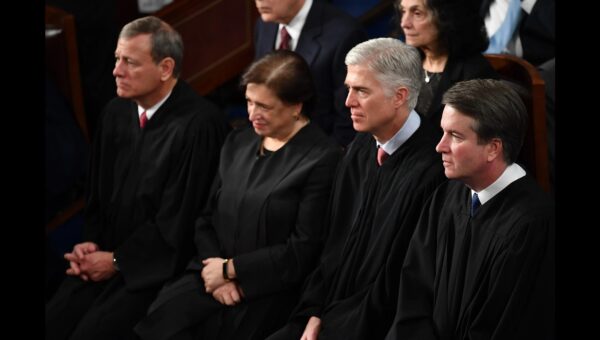
A looming Supreme Court decision in the Cala v. Milligan case threatens to dismantle Section 2 of the Voting Rights Act, potentially leading to the redrawing of dozens of Black-held congressional districts. Legal experts warn this could be a “calamity for voting rights” and a significant blow to minority representation, necessitating a proactive, innovative approach to defending American democracy.