GOP’s Gas Price Panic: Trump’s Mideast Gamble Fuels Voter Fury
Rising gas prices, fueled by geopolitical turmoil in the Middle East, are reportedly causing panic within the Republican party. This economic pressure could significantly impact their electoral chances, potentially leading to internal dissent.


GOP’s Gas Price Panic: Trump’s Mideast Gamble Fuels Voter Fury
The corridors of Capitol Hill are reportedly echoing with a distinct brand of political anxiety. Recent reports suggest that Donald Trump’s administration is facing a significant internal challenge, characterized by some as a ‘mutiny’ within the Republican party. This internal turmoil appears to be directly linked to a surge in gas prices, a perennial pain point for American voters, and its potential impact on the party’s electoral prospects.
The Volatile Equation of Voter Discontent
The transcript highlights a well-established political truism: several factors can significantly impact an incumbent party’s chances at the ballot box. Wars, particularly those initiated without clear justification, can erode public support. Rising food prices are another consistent concern for households. However, the analysis emphasizes a potent, uniquely American voter grievance: the sting of escalating gasoline costs, exacerbated by the nation’s deep-seated reliance on fossil fuels.
Currently, the United States is witnessing a dramatic spike in gas prices. The narrative presented attributes this surge directly to the geopolitical instability instigated by Donald Trump in the Middle East, specifically concerning the Strait of Hormuz. The situation is described as a de facto blockade, with potential naval mines posing a threat. Despite Trump’s alleged encouragement for tankers to navigate the perilous waterway – a directive that has reportedly resulted in attacks on vessels that heeded the call – the consequences have been dire, leading to increased prices for fuel and, by extension, a ripple effect on the cost of virtually all goods.
Uphill Battle Turns into a Freefall
For the Republican party, already confronting a challenging midterm election landscape, this confluence of factors presents a potentially catastrophic scenario. The transcript suggests that the party is now in a state of panic, with even staunch MAGA loyalists in both the House and Senate reportedly voicing dissent and concern over the administration’s policies and their electoral ramifications.
Rick Scott’s Candid Assessment
The sentiment is echoed by Republican Senator Rick Scott, who, while acknowledging the desire for lower gas prices, offers a stark assessment of the current situation. “We want prices to come down. I think unfortunately prices are going to be up for a while until this ends,” Scott is quoted as stating. He pivots to the administration’s stated priority: “The most important thing we can do right now and our job right now is we’d love to get gas prices back down, but the most important thing is to destroy Iran’s ability to produce a nuclear weapon, destroy our their military, their ballistic missile capability, and hopefully we end up with a country that wants to work with the world community.” While conceding the universal desire for lower fuel costs, Scott frames the immediate challenge as a matter of national security, prioritizing the confrontation with Iran over immediate economic relief for consumers.
The transcript concludes with a seemingly contradictory statement, possibly from a different source or a broader observation: “We all want gas prices to come down. Nobody wants gas prices higher. The president doesn’t want gas prices higher.” This statement, while seemingly obvious, underscores the complex interplay of factors that influence gas prices, often extending beyond direct presidential control or immediate policy decisions.
Why This Matters
The current situation highlights the profound and often direct link between geopolitical events, energy markets, and domestic political fortunes. When global supply chains and critical shipping lanes are disrupted, consumers feel the pinch at the pump, and this economic discomfort invariably translates into political pressure on the party in power. The alleged “mutiny” within the GOP signals a potential fracturing of party unity, driven by the pragmatic fear of electoral consequences. It suggests that even the most ideologically committed politicians may prioritize constituent anger over party loyalty when faced with widespread economic hardship.
Implications and Future Outlook
The implications of this trend are far-reaching. For the Republican party, a sustained period of high gas prices could significantly jeopardize their midterm prospects, potentially handing Democrats an unexpected advantage. It also raises questions about the long-term viability of a foreign policy that, intentionally or not, leads to domestic economic pain. The administration’s focus on confronting Iran, while framed in national security terms, carries a significant economic cost for the average American, creating a difficult narrative to sell to voters struggling with everyday expenses.
Looking ahead, the situation serves as a stark reminder of the United States’ continued vulnerability to global energy market fluctuations. Despite efforts to diversify energy sources, the nation remains heavily reliant on oil, making its economy susceptible to disruptions in key producing regions. The events described underscore the delicate balance between asserting national interests on the global stage and managing the domestic economic fallout. The political fallout from these rising prices will likely continue to shape the discourse and influence electoral strategies for both parties in the coming months.
Historical Context
The relationship between energy prices and political power is not a new phenomenon. Throughout history, significant spikes in oil prices have often coincided with shifts in political power. The oil crises of the 1970s, for example, had a profound impact on the American economy and contributed to a decline in public confidence in the incumbent administration. More recently, fluctuations in gas prices have been a recurring theme in presidential and congressional elections, influencing voter sentiment and campaign messaging. The current situation, driven by geopolitical tensions in a vital energy-producing region, fits into this historical pattern, demonstrating the enduring power of energy economics in shaping political outcomes.
Source: Trump facing MUTINY! (YouTube)

Related Articles
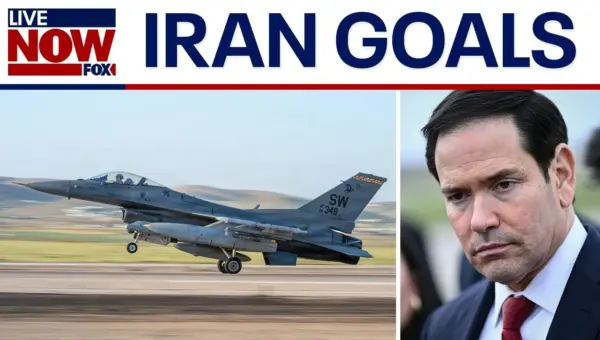
Rubio: US Can Achieve Iran War Goals Without Troops
Senator Marco Rubio outlined a strategy to counter Iran without deploying U.S. ground troops, focusing on weakening the regime and enhancing maritime security. He also criticized Cuba's economic system and expressed concerns about West Bank violence.

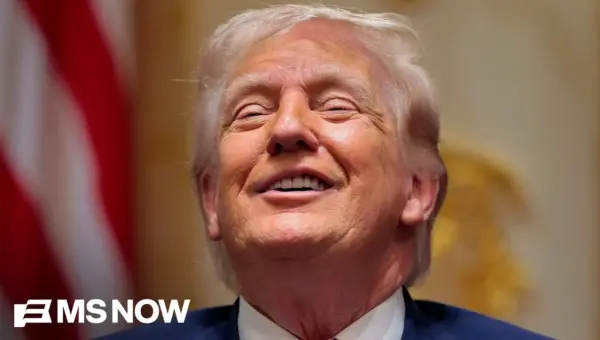
Trump’s Name Everywhere: A ‘Stain’ on GOP Legacy?
Former President Donald Trump's efforts to brand national symbols, including a proposed signature on dollar bills, spark debate. Critics view this as an authoritarian attempt to embed his legacy, potentially staining the Republican Party's history and contrasting with democratic ideals of public ownership.


Trump’s War Talk Stuns Financial Crowd
Donald Trump's recent speech in Miami focused on his foreign policy, particularly his critical views on NATO and his vision for international relations. He declared the U.S. would no longer defend NATO allies, questioned the value of existing alliances, and suggested renaming the Strait of Hormuz. The speech also touched on his personal views of success, his allies, and his perceived role as a global peacemaker.