GOP’s Bigotry Double Standard Exposed: Hypocrisy on Full Display
A sharp critique highlights the Republican party's apparent double standard in addressing bigotry, selectively condemning prejudice when it affects them while tolerating it towards others. This hypocrisy undermines genuine anti-discrimination efforts.

The GOP’s Selective Outrage: A Study in Contradiction
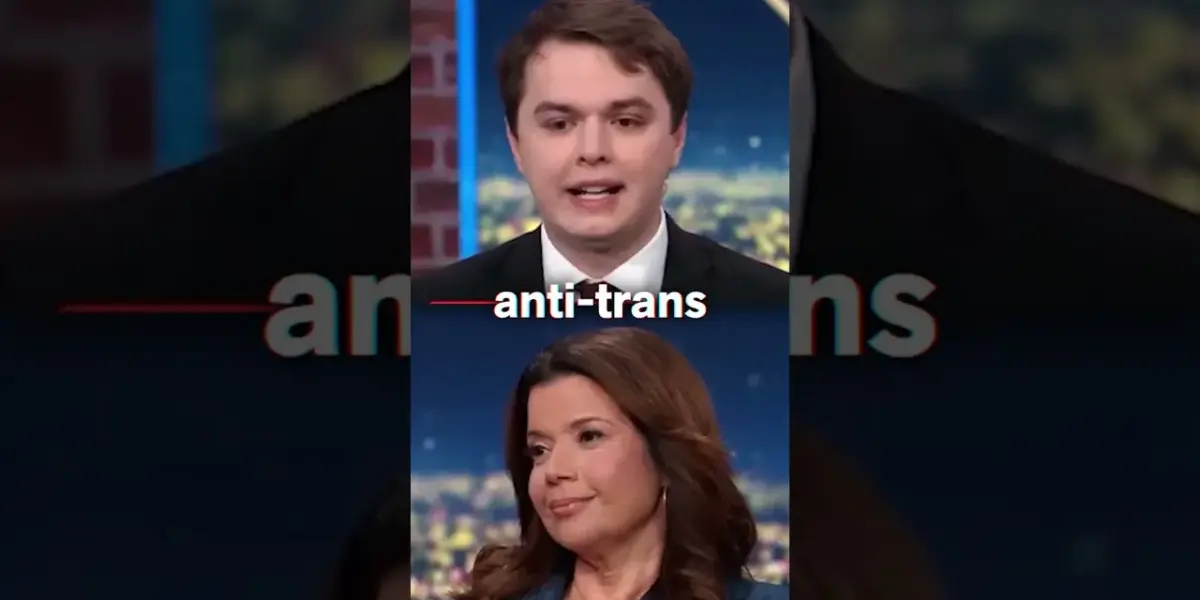
In an era where political discourse often feels like a minefield of accusations and counter-accusations, a sharp observation has been made regarding the Republican party’s approach to bigotry. The core of the argument, highlighted by commentary from Adam Mockler, points to a striking double standard: a seemingly open embrace of certain forms of prejudice, juxtaposed with fierce, often outraged, reactions when similar bigotry is directed at them or groups they align with. This selective condemnation, critics argue, exposes a deep-seated hypocrisy that undermines genuine efforts to combat intolerance.
A Personal Connection to Anti-Muslim Bigotry
The discussion is grounded in a personal narrative, illustrating the long-standing presence of anti-Muslim bigotry. The speaker shares a family history, with a grandfather who immigrated from Syria in the early 1980s, and a family on his father’s side that is Muslim. This lived experience underscores that anti-Muslim sentiment is not a new phenomenon but has persisted for decades. The narrative also paints a nuanced picture of the Muslim community, highlighting individuals like doctors and heart surgeons who contribute significantly to their local communities, directly challenging negative stereotypes.
The Welcome Mat for Bigotry
The central critique leveled against the Republican party is their apparent receptiveness to various forms of bigotry. The commentary specifically calls out anti-trans and anti-Muslim bigotry as examples where the party, or its prominent figures, seem to readily entertain or even promote prejudiced views. These are not framed as mere disagreements, but as explicitly bigoted comments and stances.
“You’re making a face, but these are bigoted comments they made. But the moment that bigotry is targeted towards them, they freak the hell out.”
This quote encapsulates the perceived hypocrisy. When prejudice is directed at marginalized groups, the response from some within the GOP is either silence, tacit approval, or even active participation. However, when similar rhetoric or prejudice is turned towards Republicans themselves, or towards groups like Jewish people, the reaction is often one of intense outrage and condemnation.
The Case of Randy Fine: A Microcosm of the Issue
The example of Randy Fine is used to illustrate this point starkly. The commentary notes Fine’s history of making Islamophobic remarks, only to then become vocal and distressed when faced with criticism or when prejudice is directed at Jewish people. This specific instance serves as a potent symbol of the broader phenomenon. The argument is not to defend any form of bigotry, but to question the selective application of outrage.
The Imperative to Address Bigotry at its Source
A recurring theme is the call to address bigotry proactively, before it becomes entrenched within a movement or political party. The assertion is that true progress requires confronting and eradicating all forms of prejudice, rather than selectively targeting them based on political expediency or personal impact. The question posed is direct: how can one justify a hyper-focused concern for certain types of bigotry while seemingly ignoring or even fostering others?
Historical Context and Evolving Perceptions
The issue of bigotry within political movements is not new. Historically, political parties have grappled with internal factions that espouse prejudiced views, often leading to internal conflict and public scrutiny. The rise of identity politics and the increasing visibility of marginalized groups have brought these issues to the forefront. In recent years, discussions around Islamophobia, antisemitism, transphobia, and racism have become more prominent, forcing political actors to define their positions more clearly.
The early 1980s, when the speaker’s grandfather immigrated, saw a different landscape of public discourse regarding Muslims. While prejudice existed, the scale and nature of anti-Muslim sentiment have evolved, particularly in the post-9/11 era. The current political climate, characterized by heightened polarization, has arguably exacerbated these divisions, making it easier for prejudiced narratives to gain traction within certain political circles.
Why This Matters
This perceived double standard has significant implications for the political landscape and societal cohesion. Firstly, it erodes trust in political institutions and leaders. When the public observes selective outrage, it fuels cynicism and the belief that political stances on morality are driven by opportunism rather than principle. Secondly, it hinders genuine progress in combating all forms of discrimination. By focusing only on bigotry that directly affects one’s own group or allies, the broader fight against prejudice is weakened, allowing intolerance to fester elsewhere.
Furthermore, this selective approach can alienate potential allies and create divisions within broader coalitions that should be united against all forms of hate. It risks alienating voters who value consistency and integrity in public discourse. The commentary serves as a potent reminder that a commitment to anti-bigotry must be universal and unwavering, not conditional on the target of the prejudice.
Implications, Trends, and Future Outlook
The trend observed is one where political identity and group affiliation increasingly dictate responses to social issues, including prejudice. This can lead to echo chambers where dissenting voices are silenced and where certain forms of bigotry are normalized within specific political tribes. The future outlook depends on whether political actors can move beyond this selective approach.
Moving forward, there is a growing demand from the public for greater consistency and authenticity in political discourse. The challenge for the Republican party, and indeed for all political movements, is to demonstrate a genuine commitment to combating all forms of bigotry, regardless of the target. Failure to do so risks further alienating segments of the electorate and perpetuating a cycle of division and distrust. The call to address bigotry before it takes root within a movement is a critical one, suggesting that proactive measures and a commitment to universal values are essential for building a more inclusive and equitable society.
Source: Adam Mockler Calls Out GOP Double Standard on Bigotry #politics #fyp #new (YouTube)

Related Articles

Polls Spell Doom: Republicans Face Voter Backlash
New polling data reveals a sharp decline in public confidence regarding the economic impact of Republican policies, particularly under Donald Trump. A significant majority now feel financially worse off, a trend that is especially pronounced among independent voters. This economic discontent poses a major challenge for the Republican party heading into future elections.

Trump’s Name Everywhere: A ‘Stain’ on GOP Legacy?
Former President Donald Trump's efforts to brand national symbols, including a proposed signature on dollar bills, spark debate. Critics view this as an authoritarian attempt to embed his legacy, potentially staining the Republican Party's history and contrasting with democratic ideals of public ownership.

Comedian’s Viral Skit Sparks Outrage, Exposes Political Hypocrisy
A viral comedy skit by Druski targeting Candace Owens has sparked intense backlash from MAGA supporters. Critics argue this outrage exposes a significant hypocrisy, contrasting it with the silence surrounding past offensive statements and actions by prominent Republican figures like Donald Trump. The incident highlights selective outrage and the complex role of satire in political discourse.