GOP’s Alpha Facade Crumbles: Dignity Sacrificed for Trump’s Favor
Senator Ted Cruz's endorsement of Donald Trump, following past insults to his wife, highlights a broader trend of personal and ideological compromise within the GOP. Critics argue that many Republican figures are sacrificing dignity and core principles for Trump's favor, leading to a perceived abdication of governing responsibility. This analysis delves into the implications of this loyalty-driven political landscape.

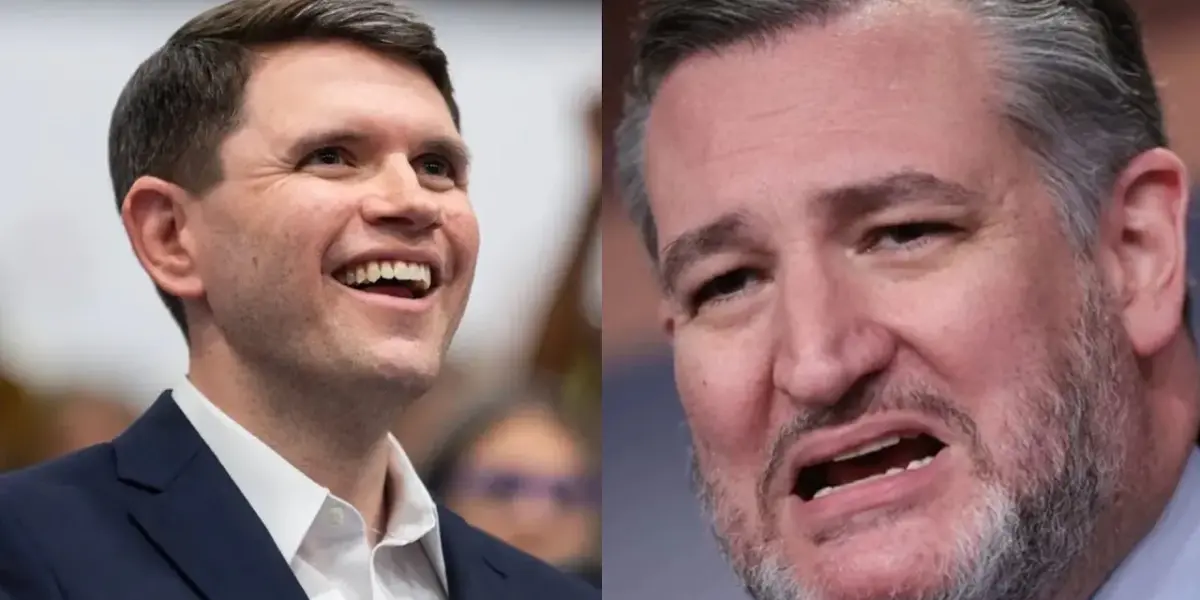
The Unraveling of Republican Principles: A Study in Fealty to Trump
The current landscape of the Republican Party appears to be defined by a curious paradox: a public persona of strength and traditional values often clashes with a demonstrated willingness to compromise core tenets for political expediency, particularly in deference to Donald Trump. This dynamic was starkly illustrated by Senator Ted Cruz’s recent endorsement of Trump following the Iowa caucuses, a move that has drawn significant scrutiny and commentary regarding the erosion of personal and political integrity within the party.
Cruz’s Endorsement: A Calculated Move or Capitulation?
Following Donald Trump’s decisive victory in the Iowa caucuses, Senator Ted Cruz swiftly endorsed the former president, declaring the race effectively over and emphasizing the need for Republican unity to defeat Joe Biden and counter a perceived “disastrous cultural Marxist agenda.” This endorsement, however, has been framed by critics not merely as a strategic political alignment but as a personal capitulation, especially in light of past insults directed at Cruz’s wife, Heidi, by Trump. The transcript highlights a particular instance where Trump allegedly made disparaging remarks about Heidi Cruz’s appearance compared to Melania Trump. Cruz’s response, a tweet referencing “soy” and a “soy latte,” has been interpreted as an attempt to deflect or perhaps express a veiled frustration, but the overarching narrative presented is one of a politician prioritizing party loyalty and presidential ambition over personal dignity.
“If a soy latte could speak,” Ted Cruz tweeted, in response to an image that was widely viewed as a reference to Heidi’s looks compared to Melania’s. In other words, Trump called Ted’s wife ugly. And here’s Ted now.
The “Soy Latte” and the Hypocrisy of the “Alpha Male”
The metaphor of the “soy latte” has become a recurring theme, used to question the perceived subservience of Republican figures to Trump. Critics argue that the “soy” imagery is employed to mock the perceived lack of masculine resolve or spine among these politicians, particularly when contrasted with their public image as strong, traditional “alphas.” The transcript posits that figures like Ted Cruz, JD Vance, and others seem willing to overlook personal slights and even fundamental ideological contradictions to align with Trump. This is exemplified by the commentary surrounding JD Vance’s stance on a controversial figure previously associated with anti-Indian sentiments, juxtaposed with Vance’s own Indian-American wife and children.
The analysis suggests that these Republican men, who often project an image of strength and traditional values, are willing to “sacrifice every last ounce of dignity to Trump.” This includes allowing him to “embarrass their wives” and undermine their “stated values.” The piece points to a pattern: years spent advocating for anti-war positions, fiscal conservatism, and pro-family values are seemingly abandoned when Trump’s agenda or preferences dictate otherwise. The implication is that the pursuit of power and favor within the Trump-aligned GOP necessitates a public performance of loyalty that often trumps genuine conviction.
Historical Context: The Shifting Sands of Republican Identity
The current state of the Republican Party cannot be fully understood without acknowledging its evolution over the past few decades. Historically, the party championed principles of limited government, individual liberty, and a strong national defense often rooted in a non-interventionist foreign policy. However, the rise of Donald Trump introduced a populist, nationalist, and often protectionist element that has profoundly reshaped the party’s identity. Figures who once held different ideological stances have found themselves aligning with Trump’s platform, leading to internal dissonance and external criticism. The transcript references past promises of “no more foreign wars” and “no more regime change” made by figures like JD Vance and Tulsi Gabbard, contrasting these with current policies and endorsements that appear to contradict those earlier positions.
Marjorie Taylor Greene’s Admission: A Glimpse of Truth?
Even figures within the party have, at times, voiced sentiments that echo these criticisms. The transcript includes a reference to Marjorie Taylor Greene acknowledging that the party “stands for nothing under Trump.” This observation, if accurate, suggests a tacit recognition among some Republicans that the party’s core principles have been subsumed by loyalty to a single leader. The discussion also touches upon Donald Trump’s own statements about his perceived lack of belief in an afterlife and his stated disregard for public opinion in decision-making, raising questions about his leadership and the potential implications for policy, particularly concerning foreign conflicts.
The Abdication of Responsibility: Governance vs. Fealty
A central theme is the perceived abdication of governing responsibility by Republican politicians in favor of unwavering loyalty to Trump. The transcript argues that instead of actively governing and addressing pressing issues, many in the GOP are consumed by their devotion to Trump, leading to a paralysis or redirection of their efforts. This is framed as a deliberate choice, where politicians “own his actions, too” because they have “collectively chicken[ed]” out and “contracted every ounce of their power to him.” The consequence, according to the analysis, is a party that “can’t govern” or “outright refuses to govern,” resulting in negative outcomes such as economic instability, escalating conflicts, and alleged cover-ups.
Why This Matters
The erosion of ideological consistency and the prioritization of personal loyalty over stated principles have profound implications for American democracy. When elected officials are perceived as beholden to a leader rather than their constituents or their own deeply held beliefs, the trust in democratic institutions is undermined. The analysis suggests that this dynamic not only impacts the effectiveness of governance but also contributes to voter disillusionment and the perception that the Republican Party, under its current leadership, lacks a coherent vision or set of values. The willingness to overlook personal insults and ideological compromises in pursuit of political power raises fundamental questions about the integrity of the political process and the future direction of the party.
Implications, Trends, and Future Outlook
The trend of politicians prioritizing loyalty to Donald Trump over consistency in their stated values appears to be a defining characteristic of the contemporary Republican Party. This dynamic has led to internal divisions, criticism from both within and outside the party, and questions about the long-term sustainability of a political movement built so heavily on the persona of a single individual. The future outlook suggests that the party will continue to grapple with this tension between its traditional principles and the demands of Trump’s leadership. Whether this leads to a further consolidation of power around Trump, a significant ideological realignment, or a eventual reckoning with its past pronouncements remains to be seen. The current trajectory, however, indicates a deep-seated challenge to the coherence and credibility of Republican governance.
Source: Ted Cruz launches attack, gets INSTANT KARMA (YouTube)

Related Articles
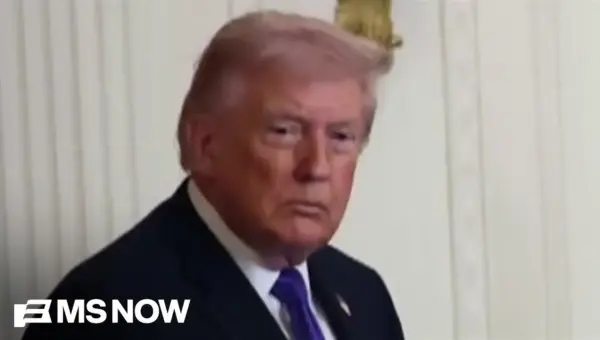
Trump’s Iran War Sparks Oil Surge, Economic Crisis
President Trump's military actions in Iran have triggered a severe energy crisis, sending oil prices over $100 a barrel and disrupting global markets. The conflict has also resulted in U.S. service member casualties, raising concerns about a potential escalation and long-term economic instability.
Trump’s Handling of Economy, Inflation Worsens Politically
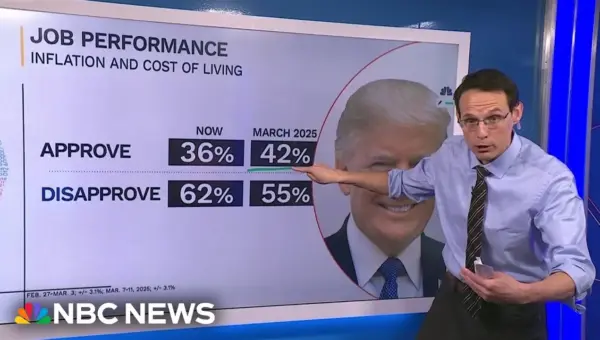
President Trump's approval ratings on inflation and the cost of living are declining, mirroring the political challenges faced before the 2018 midterms. While immigration presents a mixed picture, economic concerns are increasingly weighing on his party's prospects.

Iran’s “Unconditional Surrender” Demand: A Strategic Folly
President Trump's demand for Iran's unconditional surrender is a strategic miscalculation, ignoring the regime's decentralized structure and popular dissent. Historical precedents show air power alone rarely achieves such goals, leaving the US with unappealing options for a prolonged conflict.