GOP Slams Democrats on Election Integrity, Demands Voter ID
Republicans are criticizing Democrats for opposing voter ID laws and measures to ensure only U.S. citizens vote. Citing widespread public support, GOP senators argue that requiring photo identification is a common-sense step towards election integrity. Democrats, while stating they support secure elections, raise concerns about access and potential disenfranchisement.

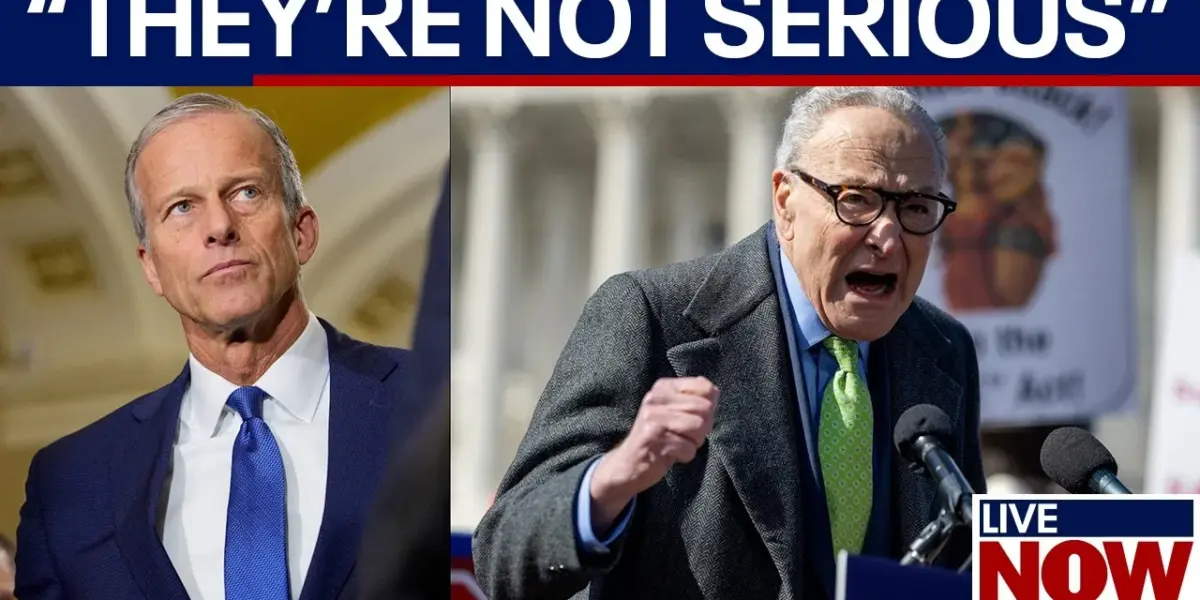
Republicans Accuse Democrats of Opposing Voter ID Measures
Republicans in the U.S. Senate are sharply criticizing Democrats, accusing them of standing against the will of the American people by opposing measures to ensure election integrity. The core of the debate centers on requiring photo identification for voters and ensuring that only U.S. citizens cast ballots in American elections. Senator John Thune, a key voice in this argument, stated that Democrats are on the “wrong side of the American people” regarding these issues.
The Push for Photo ID in Elections
The Republican effort, often referred to as the “Save America Act,” aims to establish a national standard requiring voters to show photo ID. Proponents argue this is a common-sense measure, comparing it to requirements for boarding a plane or buying alcohol. “It’s overwhelmingly popular with the American people,” stated one senator, emphasizing that most Americans agree that a photo ID should be necessary to vote.
Senator Thune highlighted a specific instance where Democrats, according to his account, not only blocked a proposal for photo ID-only voting but also put forward a counter-proposal that would have banned photo ID nationwide. “So they’re not serious about this issue,” he remarked, underscoring the Republican view that Democratic actions demonstrate a lack of commitment to secure elections.
A National Standard for Voting
Supporters of voter ID laws point out that 36 states already require some form of voter ID. Senator Mike Braun, who previously served as Ohio’s Secretary of State, shared his experience overseeing elections. He emphasized that in Ohio, they made it “easy to vote and hard to cheat.” Braun offered a clean photo ID bill that would allow five forms of identification, including a driver’s license, state ID, military ID, tribal ID, or passport, to be used for casting a ballot. This, he argued, would create a national standard for election integrity that many other states already follow.
Concerns Over Non-Citizen Voting
Beyond photo ID, Republicans are raising alarms about the possibility of non-citizens voting in U.S. elections. They argue that current systems allow individuals in the country legally under various statuses, such as Temporary Protected Status (TPS), refugee status, or with visas and green cards, to potentially register to vote. This, they claim, can happen through voter registration drives, sometimes without the individual fully realizing they are committing a crime by voting when not legally permitted.
“If you care about them, you wouldn’t want that to happen,” one senator stated, referring to the potential legal jeopardy for non-citizens who vote. The concern is that such actions could jeopardize their status and future ability to become citizens or remain in the United States. Republicans are urging Democrats to find common ground on measures that ensure only U.S. citizens vote.
Democratic Opposition and Counterarguments
Republicans contend that Democrats are aligning themselves with an “extreme minority” that opposes basic security measures. They also claim that Democrats invoke historical issues like Jim Crow laws to oppose voter ID, a tactic Republicans dismiss. “The truth is that over 80% of Hispanics agree with an ID to vote. 75% Plus African-Americans agree,” one senator asserted, suggesting that the opposition to voter ID is not based on racial discrimination but rather on a desire to make voting easier and harder to cheat.
Democrats, however, have expressed concerns that strict voter ID laws can disproportionately affect certain groups, including minority voters, the elderly, and low-income individuals who may face challenges in obtaining the required identification. While some Democrats have indicated a willingness to discuss photo ID, they often advocate for broader election access measures alongside any identification requirements.
The Broader Political Context
The debate over election integrity and voter ID is a significant point of contention in the current political climate. Republicans see it as a fundamental issue of trust and security in the democratic process. They believe that implementing stricter identification requirements and ensuring only citizens vote are essential steps to maintain public confidence in election outcomes.
Democrats, while often stating they support secure elections, tend to prioritize expanding access to the ballot box. Their proposals often include measures like automatic voter registration, same-day registration, and expanded early voting options. The differing approaches highlight a fundamental disagreement on how best to balance access and security in elections.
What’s Next in the Debate
As this debate continues in the Senate, Republicans have vowed to keep pushing these issues forward, aiming to force Democrats to take clear stances. The focus remains on highlighting the differences between the parties and making the case that their proposed election security measures are widely supported by the American public. The coming weeks and months will likely see continued efforts to bring these proposals to a vote and to publicly debate their merits, with Republicans aiming to frame the issue as a matter of common sense and Democratic opposition as a stance against the majority will.
Source: Democrats "on the wrong side of the American people," Thune says (YouTube)

Related Articles

Voter ID: Common Sense or Suppression?
A growing debate surrounds voter ID laws, with proponents calling them a common-sense measure against fraud and opponents fearing voter suppression. Many countries and U.S. states already require ID to vote.

Trump’s Name Everywhere: A ‘Stain’ on GOP Legacy?
Former President Donald Trump's efforts to brand national symbols, including a proposed signature on dollar bills, spark debate. Critics view this as an authoritarian attempt to embed his legacy, potentially staining the Republican Party's history and contrasting with democratic ideals of public ownership.

CPAC Crowd’s Boos Reveal GOP’s Deep Divide
A moment at CPAC where the crowd booed impeachment hearings reveals deep divisions within the Republican party. Younger supporters are concerned the GOP base is crumbling due to issues like the Iran war, gas prices, and other controversies.