GOP Senator Pushes ‘Kudlow Plan’ for Pentagon Funds, Voting Rights
Oklahoma Senator James Lankford is proposing a "Kudlow Plan" using Senate reconciliation to pass $200 billion in Pentagon funding and a voting rights bill. He argues this procedural tool is the only way to overcome opposition and secure essential national security and election integrity measures.

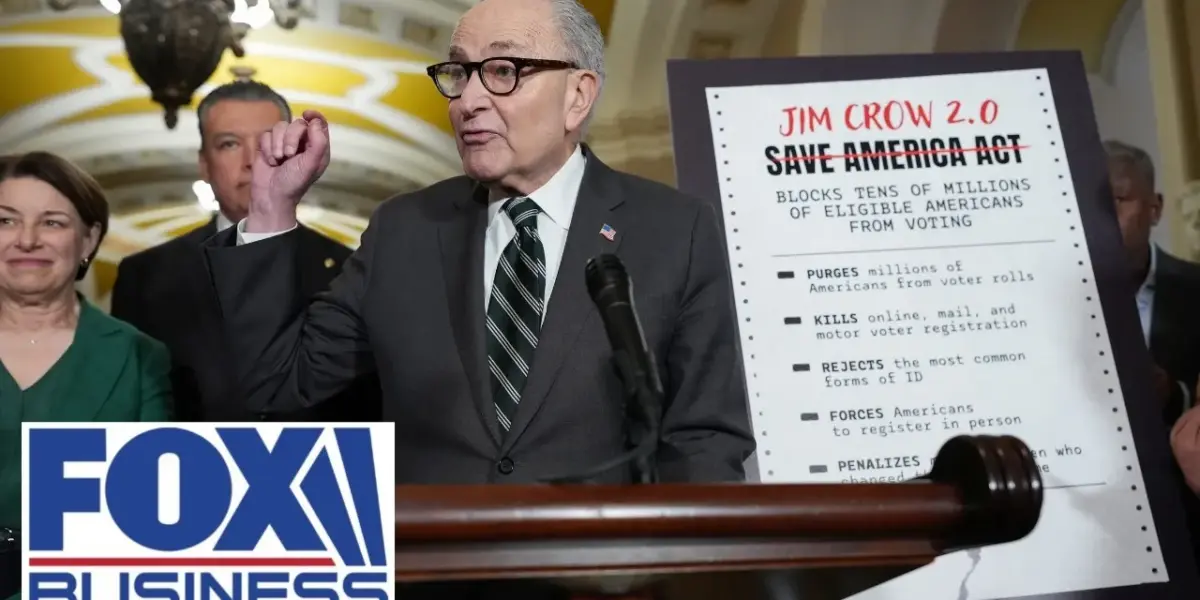
GOP Senator Pushes ‘Kudlow Plan’ for Pentagon Funds, Voting Rights
Senator James Lankford is advocating for a creative legislative strategy to secure critical funding for the Pentagon and pass a voting rights bill. He suggests using a special Senate procedure called reconciliation to overcome political gridlock.
The Pentagon requires an estimated $200 billion to replenish its resources. This funding is crucial, especially given ongoing global conflicts. Meanwhile, a significant portion of the public, according to polls, supports a voting rights bill that would include photo identification and proof of citizenship requirements.
Senator Lankford explained that the only way to pass these measures without broad bipartisan support is through reconciliation. This process allows certain budget-related bills to pass the Senate with a simple majority, meaning 50 votes plus the Vice President’s tie-breaking vote.
What is Reconciliation?
Reconciliation is a powerful tool in the Senate that allows for expedited passage of certain legislation related to the federal budget. Unlike regular bills that often need 60 votes to end debate, reconciliation bills can pass with a simple majority. This bypasses the need for broad agreement from the opposing party.
Think of it like this: normally, to pass a major law, you need a lot of people to agree. But reconciliation is like a special rule that says if a bill is mostly about money and the budget, you only need a few more than half the people to agree. This can make it easier to pass important but sometimes controversial budget items.
Lankford’s Proposal: The ‘Kudlow Plan’
Lankford referred to this strategy as the “Kudlow Plan,” a nod to economist Larry Kudlow. The idea is to combine the Pentagon’s funding needs with the voting rights legislation into a single package. This “one big, beautiful bill package,” as it was humorously described, could then be pushed through using reconciliation.
“I’m glad to do reconciliation, but it’s got to be able to get through the Parliamentarian and be consistent with the rules of the game,” Senator Lankford stated. He noted that reconciliation has been used before for significant legislation, including border security measures a year prior.
Lankford emphasized the fiscal component needed for the voting rights bill to qualify for reconciliation. “To be able to do voting rights, that’s more policy than it is financial, and that’s always the tipping point. It’s got to to be more financial than policy,” he explained.
He pointed out that 36 states already require photo ID for voting. “So let’s not just trust, trust and verify,” Lankford said, expressing confusion over potential Democratic opposition to such straightforward requirements.
Addressing Pentagon Funding and DHS
The $200 billion for the Pentagon is intended to combat threats, including Iranian terrorists who have targeted Americans for decades. Lankford sees this as a clear justification for using reconciliation, as it directly relates to national security spending.
The conversation also touched upon the urgent need to fund the Department of Homeland Security (DHS). This funding has been stalled for a long time, leading to concerns about government shutdowns and their impact on essential workers.
Lankford is against government shutdowns, preferring continuous sessions of Congress to resolve issues. He supports a bipartisan bill that could prevent future shutdowns by keeping Congress in session until problems are solved, rather than cutting paychecks for security personnel.
The Challenge of Reconciliation Timing
A key consideration with reconciliation is its timeline. Senator Lankford noted that it takes about a month to prepare and implement. This process involves committee reviews and unlimited debate, known as a “voterama,” in the Senate.
“So any reconciliation is about a month,” he said. Because of this delay, Lankford expressed reluctance to use reconciliation for the immediate DHS funding bill. He worried it could lead to TSA workers, FEMA staff, and others not being paid for an extended period.
Market Impact and Investor Takeaways
What Investors Should Know:
- Legislative Strategy: The push to use reconciliation for defense spending and voting rights highlights a strategy to bypass typical Senate hurdles. This could lead to quicker passage of these key items if successful.
- Fiscal Drivers: For legislation to pass via reconciliation, it needs a strong financial or budgetary component. This means proposals will likely focus on spending, revenue, or deficit reduction.
- Pentagon Spending: The need for $200 billion in defense replenishment signals significant government spending in the security sector. Investors in defense contractors and related industries may see continued demand.
- Voting Rights and Elections: While policy-driven, the push for voting rights legislation with ID requirements reflects ongoing debates about election integrity. The outcome could have implications for political landscapes and voter access.
- DHS Funding Urgency: The prolonged debate over DHS funding underscores potential instability in government operations. Investors should monitor any news related to government shutdowns, as they can disrupt various economic activities.
Senator Lankford’s proposal, dubbed the “Kudlow Plan,” represents a pragmatic approach to addressing pressing national needs. By potentially combining defense funding and voting rights through reconciliation, lawmakers aim to break through political impasses and enact significant legislation.
Source: ‘CANNOT understand’ Dems’ opposition to ‘straightforward’ legislation: GOP senator (YouTube)

Related Articles
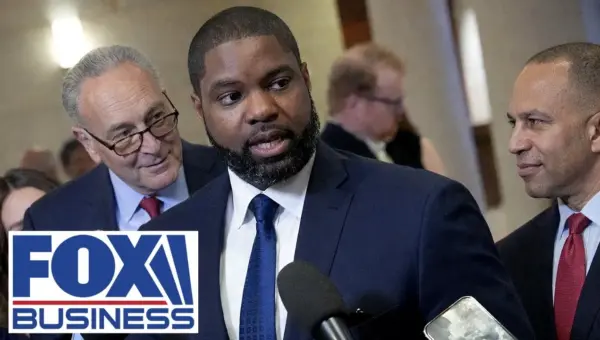
Congressman Slams 2 AM Voice Vote on Security Funding
A Republican congressman criticized a late-night Senate voice vote on homeland security funding, calling it "disgusting" and "under the cover of darkness." He argued the process bypassed proper procedure and failed to fully fund critical agencies like the TSA and Coast Guard, contributing to public frustration with Washington.
House Faces Funding Vote After Senate Passes DHS Bill
The House is set to vote on a Department of Homeland Security (DHS) funding bill after the Senate passed it. The deal focuses on less controversial agencies like FEMA and the Coast Guard, excluding ICE and Border Patrol funding. Procedural hurdles in the House are the main obstacle, with lawmakers hoping to pass the bill before a recess.

Trump’s Mail-In Ballot Hypocrisy Fuels Voter Suppression Debate
Donald Trump's personal use of mail-in ballots contradicts his public stance against them, fueling concerns about voter suppression. Evidence suggests widespread voter fraud is rare, and efforts to restrict voting access disproportionately affect marginalized communities.