GOP Senate Stuns House, Exposing Deep Party Rift
Republican infighting erupted as the Senate passed a bill funding only the TSA, sparking panic in the House. "MAGA Republicans" demand more for ICE and Border Patrol, highlighting deep party divisions and a standoff with the Senate, which has already adjourned.

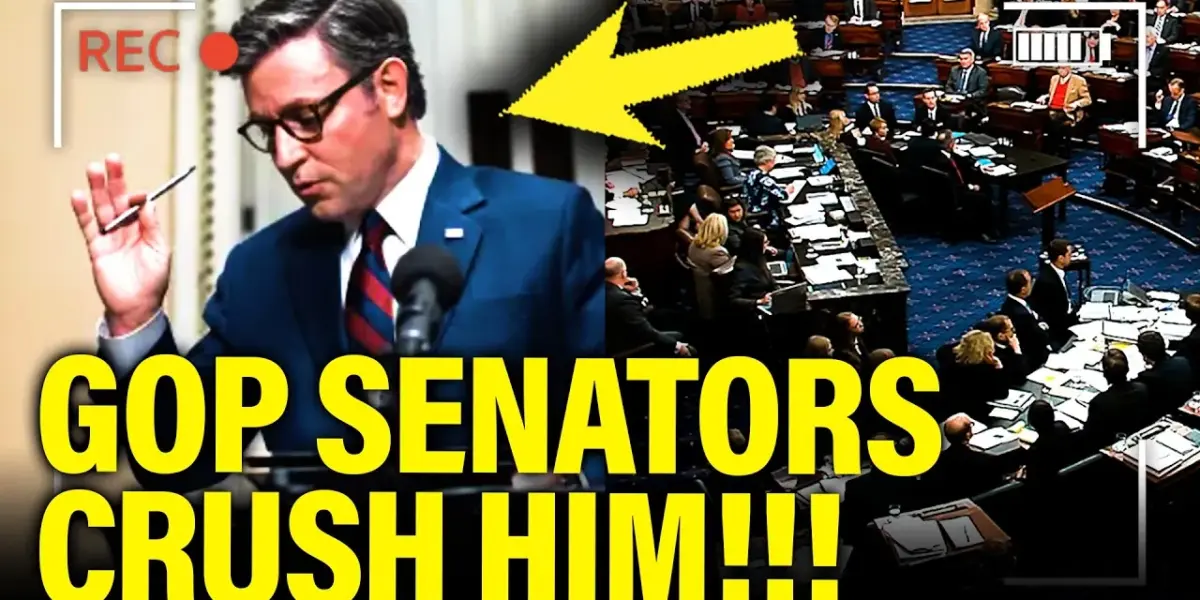
GOP Senate Stuns House, Exposing Deep Party Rift
In a surprising turn of events, the Republican-led Senate passed a bill that would fund only the Transportation Security Administration (TSA), leaving the funding for Immigration and Customs Enforcement (ICE) and Border Patrol uncertain. This move, which happened late at night, has thrown House Republicans, including Speaker Mike Johnson, into a panic. It highlights a significant division within the Republican party, particularly between the Senate and House factions, often referred to as “MAGA Republicans.” The situation also involves former President Donald Trump and his recent statements on immigration and government funding.
The Senate’s Late-Night Move
The Senate’s decision came after a unanimous consent motion, a process where all senators agree to move forward on a bill. This specific bill, however, only addressed TSA funding. This approach mirrors a proposal previously made by Democrats, which Republicans had largely opposed. The Senate then adjourned for a two-week recess, leaving the House to deal with the fallout. This means the House would need to pass an identical bill for it to become law. If the House makes any changes, the Senate would have to reconvene, which seems unlikely given their departure.
Trump’s Role and Executive Orders
Adding another layer to the situation, Donald Trump had previously posted on social media about using an executive order to fund the TSA. He suggested he could have done this for weeks using existing Department of Homeland Security funds. This implies that the TSA funding issue, and the potential chaos at airports, could have been avoided earlier. However, the Senate’s action, followed by Trump’s executive order, suggests a coordinated, albeit delayed, effort to address TSA funding. Critics argue this shows Republicans were willing to create airport disruptions as a bargaining chip.
House Republicans’ Reaction and Demands
House Republicans, particularly those aligned with the “MAGA” wing, reacted with anger and confusion. They argue that the Senate’s bill is insufficient because it doesn’t provide additional funding for ICE and Border Patrol. Many in the House want to attach stricter immigration enforcement measures and increased funding for these agencies to any spending bill. They believe ICE and Border Patrol are underfunded and essential for national security. Some expressed frustration, stating that the Senate’s move was a “disgrace” and that America’s safety was not being prioritized. This has led to a standoff, with the House refusing to simply approve the Senate’s TSA-only bill.
The Core of the Disagreement
At the heart of the conflict lies a fundamental disagreement over border security and immigration policy. Democrats have proposed conditions for funding ICE and Border Patrol, such as requiring masks, search warrants, and prohibiting agents from being at polling stations. “MAGA Republicans” in the House reject these conditions. They want increased funding for these agencies without what they see as Democratic restrictions. Their goal is to ensure robust funding for immigration enforcement, which they view as a top priority. The current situation shows a deep divide on how to approach these issues, with the House pushing for more aggressive measures than the Senate initially agreed to.
A Divided Party
The events highlight a growing rift within the Republican party. Speaker Mike Johnson has been accused of not being on the same page as Senate leaders like John Thune. Johnson has publicly criticized Democrats for the timing of negotiations, while Thune seemed more resigned to the situation, suggesting there was still much work to be done. This internal conflict makes it difficult for the party to present a united front and pass legislation. The situation is further complicated by the fact that Democrats control enough votes in the Senate to block certain measures, even if the House passes them.
Historical Context: Government Shutdowns and Funding Battles
Government funding battles and the threat of shutdowns are not new in Washington. Throughout history, disagreements over spending priorities, particularly concerning national security and social programs, have led to legislative gridlock. These battles often intensify during election years, as both parties try to use funding debates to score political points. The current dispute over ICE and Border Patrol funding, nested within a larger debate about government operations, fits this pattern. The use of executive orders, like Trump’s for the TSA, also represents an attempt to bypass congressional gridlock, though their legality can be questioned.
Why This Matters
This situation matters because it demonstrates the challenges of governing when a major political party is deeply divided. The inability of Republicans to agree on a unified approach to critical issues like border security and government funding weakens their ability to implement their agenda. It also creates uncertainty for government agencies and the public. For example, the partial shutdown of the Department of Homeland Security affects thousands of employees and the services they provide. The ongoing political maneuvering around these issues can overshadow substantive policy debates and impact national security.
Implications and Future Outlook
The immediate implication is that the Department of Homeland Security remains partially unfunded, creating ongoing operational challenges. The “MAGA Republicans” in the House are pushing for a continuing resolution to fund all of DHS, but this faces opposition from Democrats in the Senate. The future outlook suggests continued political battles over immigration and spending. The upcoming election cycle will likely intensify these debates, as both parties seek to mobilize their base. The Republican party’s internal divisions will be a key factor to watch, as they could determine the party’s effectiveness in governing and its electoral success.
The Senate’s decision to fund only the TSA, while leaving ICE and Border Patrol in limbo, has exposed deep fault lines within the Republican party. The House’s refusal to accept this partial funding and its demands for increased immigration enforcement funding has created a significant legislative standoff.
Conclusion
The recent events surrounding the TSA and DHS funding reveal a fractured Republican party struggling to find common ground. While former President Trump’s executive order provides some relief for TSA agents, the larger issues of border security and immigration remain contentious. The standoff between the House and Senate, coupled with Democratic opposition, suggests a prolonged period of legislative uncertainty. The ability of Speaker Mike Johnson and the Republican party to navigate these internal divisions will be crucial in shaping future policy and their political standing.
Source: MAGA Mikes PANICS as GOP Senate VOTES AGAINST HIM…at 2 AM!!! (YouTube)

Related Articles
House Republicans Block Border Funds, Sparking Funding Crisis
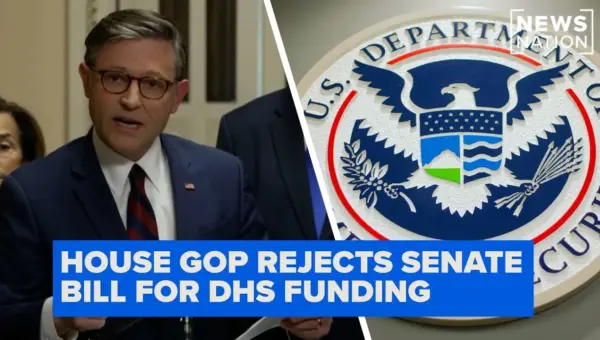
House Republicans have rejected a Senate bill to fund the Department of Homeland Security, citing concerns over immigration policy. They propose a clean funding extension, while blaming Democrats for using the bill to push a "radical agenda." The move prolongs a government funding dispute and impacts federal workers.


GOP Slams Senate’s DHS Funding Bill: Border Security Ignored
House Republicans are sharply criticizing the Senate's handling of a Homeland Security funding bill, arguing it neglects crucial border security measures. The dispute highlights ongoing political tensions and the potential impact on government agencies and national security priorities.

House Speaker Rejects Senate Bill, Proposes Clean Funding for DHS
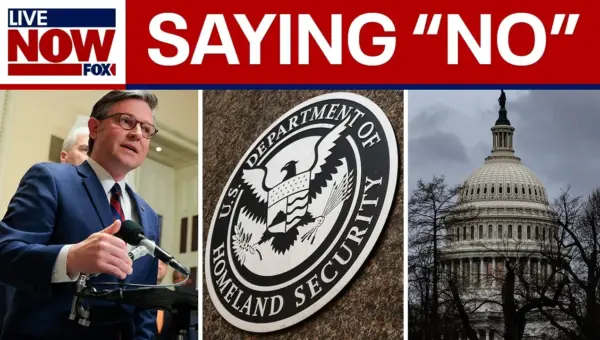
House Speaker Mike Johnson rejected the Senate's proposed DHS funding bill, calling it a "radical agenda" that would reopen borders. He announced a Republican plan for a "clean" funding extension until May 22nd to ensure DHS employees are paid. President Trump reportedly supports this House-led initiative.