GOP Rep Stumbles on Iran Policy Amidst War Confusion
A Republican congressman struggled to explain Iran's continued control over the Strait of Hormuz on live TV, raising questions about U.S. foreign policy clarity. The interview highlighted the complex reality of Iran's military capabilities, particularly its IRGC Navy, and the ongoing challenges in global trade security.

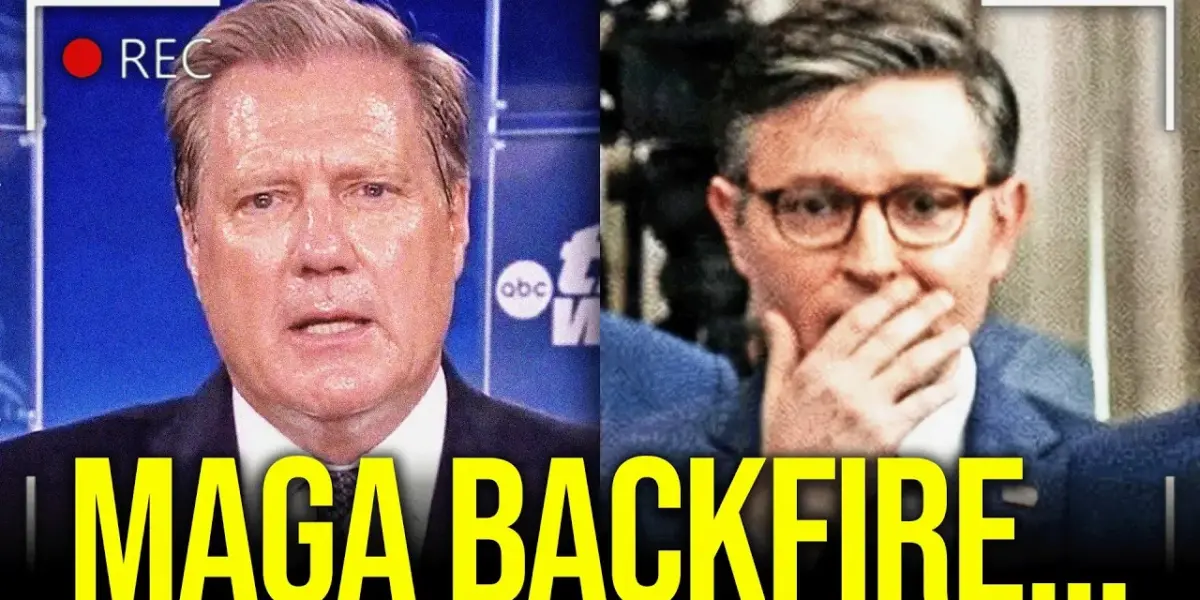
GOP Rep Stumbles on Iran Policy Amidst War Confusion
A recent appearance by a Republican congressman on a major Sunday morning news program has sparked debate about the clarity and effectiveness of the current U.S. foreign policy regarding Iran. The lawmaker, who is part of the MAGA movement, struggled to answer pointed questions about Iran’s continued control over the Strait of Hormuz and the ongoing conflict. This difficulty in providing clear answers has led to questions about the administration’s strategy and its public messaging.
The Core Question: Victory or Stalemate?
The central issue raised during the interview was the apparent contradiction between claims of decisive victory against Iran and the reality on the ground. Specifically, the interviewer pressed the congressman on why, if the U.S. had so thoroughly defeated Iran’s military, the Strait of Hormuz remains effectively closed to shipping. This strategic waterway is crucial for global trade, and Iran’s control over it gives them significant leverage.
The congressman’s response was marked by visible signs of stress, including sweating and lip-licking, which some observers interpreted as a sign of being caught off guard or unprepared. He attempted to deflect by referencing past administrations, mentioning the Obama administration and the threat of Iran becoming a nuclear power. He also used terms like “terrorist state” and invoked a “47 years” talking point, common among his political allies. However, these points did not directly address the core question about the Strait of Hormuz or the apparent lack of progress in reopening it.
Historical Context: A Shifting Alliance
To understand the complexities of the situation, it’s helpful to look back. Roughly 50 to 60 years ago, the United States and Iran were allies. Following a period of shifting alliances and geopolitical changes, including the overthrow of Prime Minister Mosaddegh, the U.S. provided Iran with military equipment, including naval vessels and aircraft. At that time, Iran was seen as a key partner in the Middle East, much like Israel is today.
However, decades have passed, and the relationship has drastically changed. Iran’s military, particularly its conventional navy, has not been significantly updated. The U.S. military, with its advanced capabilities, was able to easily damage or destroy this older fleet. The interview highlighted that bragging about destroying this outdated navy might not be the impressive feat it’s made out to be, especially when compared to Iran’s continued ability to disrupt vital shipping lanes.
The Two Navies: A Critical Distinction
A key point of confusion and a potential weakness in the administration’s messaging is the distinction between Iran’s two separate naval forces. The first is its conventional navy, which has been largely neutralized. The second, and arguably more significant in terms of current threat, is the IRGC Navy (Iranian Revolutionary Guard Corps Navy). This is a distinct entity with its own technology, operational strategies, and methods.
The IRGC Navy specializes in asymmetric warfare. This includes using smaller, faster vessels, suicide drones, mines, and tactics that are difficult for larger, more conventional forces to counter effectively. While the U.S. may have degraded Iran’s older navy, the IRGC Navy remains a potent force capable of waging disruptive warfare, including controlling strategic waterways like the Strait of Hormuz.
The congressman’s inability to clearly articulate this distinction or explain how Iran’s continued control of the Strait fits into a narrative of victory suggests a gap in understanding or communication within the administration and its supporters. He seemed to conflate the weakening of Iran’s overall capabilities with the complete eradication of every threat, which is not what has occurred.
Why This Matters
The implications of this situation are far-reaching. For the United States, a clear and consistent foreign policy is essential for maintaining global stability and protecting economic interests. When there is confusion or a lack of transparency about the success of military actions, it can undermine public confidence and create openings for adversaries.
The continued closure of the Strait of Hormuz directly impacts global oil prices and supply chains. If the U.S. claims victory but cannot ensure the free flow of commerce through this vital chokepoint, it raises serious questions about the effectiveness and goals of its military interventions. It also suggests that Iran, despite sanctions and military pressure, has found ways to exert significant influence.
Trends and Future Outlook
This incident points to a larger trend of complex and often confusing geopolitical situations. The use of asymmetric warfare by non-state actors and smaller nations against larger powers is becoming more common. This requires new strategies and clearer communication from world leaders.
Moving forward, the U.S. faces the challenge of developing a coherent strategy that addresses Iran’s multifaceted threats, including its nuclear ambitions, ballistic missile program, and regional influence, while also ensuring the security of vital international waterways. The ability of political figures to clearly explain these complex issues to the public will be crucial for building support and achieving foreign policy objectives. The struggle to articulate a simple, consistent message about the situation in the Strait of Hormuz suggests that this challenge is ongoing.
“Donald Trump has declared victory so decisively, yet they still have disproportionate control over the Straight of Hormuz. Their IRGC navy is still intact and they still seem to be playing asymmetric warfare. MAGA people don’t have an answer for this because the answer is inconvenient for them.”
The difficulty in answering basic questions about a critical geopolitical flashpoint like the Strait of Hormuz highlights a potential disconnect between the administration’s public statements and the on-the-ground realities. This lack of clarity can leave allies uncertain and adversaries emboldened, making the path toward long-term stability more challenging.
Source: Trump goon FREEZES ON TV as war BLOWS UP (YouTube)

Related Articles

Russia Faces Last-Ditch Offensive, Internal Cracks
Russia may be launching a final major offensive in Ukraine as it faces mounting internal pressures. Analysts suggest this push is a last resort before significant manpower and financial issues arise. Meanwhile, increasing domestic information control and official criticism highlight growing cracks within the Russian establishment.


Trump Threatens Iran, Shaking Global Stability
Former President Trump's aggressive Easter Sunday warning to Iran has ignited global concerns, highlighting a volatile intersection of politics, religion, and foreign policy. The analysis explores the motivations behind such rhetoric, the deep divisions within American society, and the potential for severe economic and geopolitical repercussions worldwide.

Trump’s Rhetoric Fuels Iran Tensions, Raises War Crime Alarms
Former President Donald Trump's aggressive Easter weekend social media posts directed at Iran have sparked international concern. His threats of military action and ultimatums, coupled with conflicting narratives about military engagements, have raised alarms about potential war crimes and a dangerous escalation of conflict. Critics accuse both Trump and segments of the media of downplaying the severity of his rhetoric.