GOP Rallies Behind Border Security at Texas Summit
The CPAC conference in Texas highlighted border security as a central theme for Republicans ahead of the midterms. Key figures like Tom Homan emphasized stricter enforcement, reflecting a broader party strategy. This focus has significant implications for U.S. foreign policy and relations with neighboring countries.

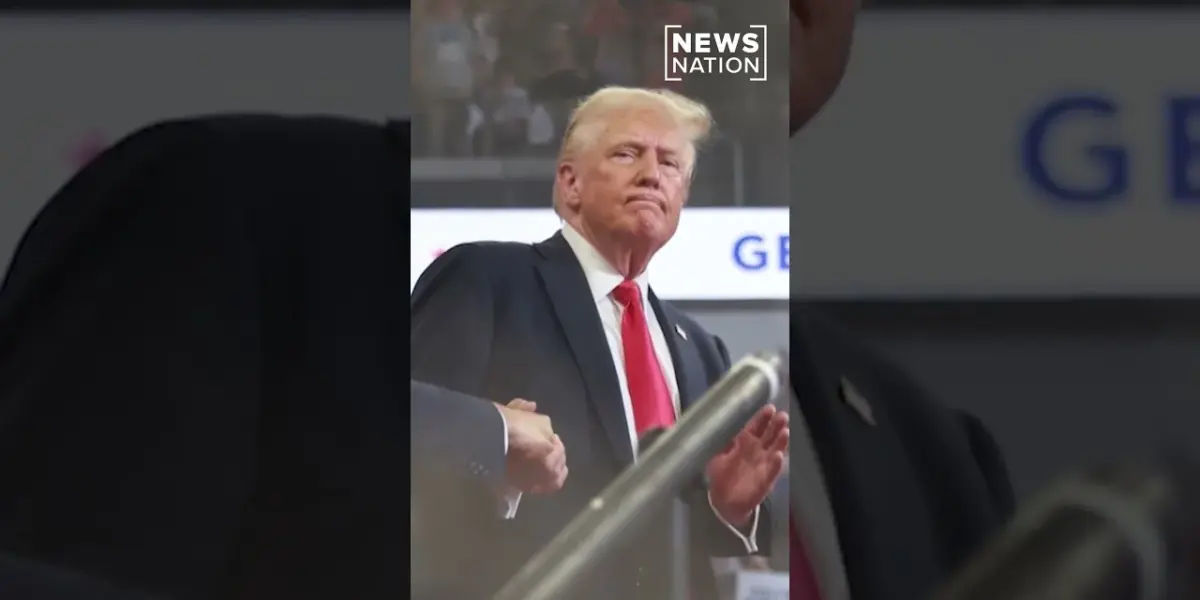
GOP Rallies Behind Border Security at Texas Summit
The Conservative Political Action Conference (CPAC) in Texas this year, themed “Rally, Republicans Unite,” saw a strong focus on border security. This gathering serves as a key event for Republicans looking to energize their base ahead of important midterm elections. While former President Donald Trump was notably absent for the first time in ten years, other prominent figures took the stage to discuss pressing national issues.
Border Security Takes Center Stage
Tom Homan, former acting director of U.S. Immigration and Customs Enforcement (ICE), made a significant appearance, emphasizing the need for secure airports and addressing illegal activity. “Now we need to make sure the airports are secure. We need to help Americans get through those lines and if we see any illegal activity in the airports, we’ll go make arrests,” Homan stated. His remarks highlight a central concern for many Republicans: border control and national security.
The conference featured discussions on immigration policy, with speakers like Homan signaling a tough stance. The focus on border security reflects a broader political strategy to mobilize voters around this issue. It also points to the ongoing debate about immigration reform and its impact on national sovereignty and public safety.
Key Figures and Themes
Other notable attendees included Deputy Attorney General Todd Blanch and Greg Bovino, who made a brief appearance. The presence of these individuals underscores the importance of law and order within the Republican platform. CPAC events often serve as a testing ground for political messaging and a platform for aspiring leaders within the conservative movement.
The theme “Rally, Republicans Unite” suggests an effort to foster solidarity among different factions of the party. This unity is seen as crucial for success in the upcoming midterm elections. The conference provides a space for Republicans to coordinate their strategies and articulate their vision for the country.
Strategic Absence and Political Signaling
Former President Donald Trump’s absence from CPAC this year is a significant development. For over a decade, his presence has been a central attraction, drawing massive media attention and energizing attendees. His decision not to attend might signal a shift in his political strategy or a desire to focus on other avenues. It also opens up opportunities for other Republican leaders to gain prominence and shape the party’s narrative.
CPAC is known for its ability to draw attention to key conservative issues and figures. The addition of last-minute guests is common, indicating a dynamic and evolving political environment. Observers will watch to see if any surprise speakers emerge, further shaping the discussions and outcomes of the conference.
Global Impact
Why This Reshapes the World Order
While this event primarily focuses on domestic U.S. politics, the issues discussed, particularly border security, have international implications. Stronger border enforcement policies can affect migration patterns, international relations, and trade. The unified Republican stance on these issues could influence U.S. foreign policy and its role on the global stage.
The emphasis on national sovereignty and security resonates with similar sentiments in other countries. This alignment could lead to new diplomatic partnerships or increased friction with nations perceived as threats to border integrity. The economic consequences of strict immigration policies, such as impacts on labor markets and supply chains, are also global concerns.
Historical Context
The focus on border security at CPAC echoes historical debates in the United States about immigration and national identity. Throughout history, periods of increased immigration have often been met with calls for stricter controls. Events like the Chinese Exclusion Act or the debates surrounding the construction of the U.S.-Mexico border wall are historical precedents for current discussions.
The current emphasis on border security can be seen as a continuation of these long-standing anxieties about national borders and cultural assimilation. The political rhetoric used today often draws upon historical narratives of national security and economic impact, framing immigration as a challenge that requires firm leadership and decisive action.
Economic Leverage
Border security is closely linked to economic policy. Discussions at CPAC often touch upon the economic costs and benefits of immigration, as well as the impact of trade policies. For instance, if new policies restrict the flow of labor, it could affect industries reliant on immigrant workers, such as agriculture or construction.
Furthermore, border security can influence trade routes and international commerce. Tighter controls at ports of entry could lead to delays and increased costs for businesses. Conversely, some argue that secure borders are essential for maintaining economic stability and preventing illicit trade, which can harm legitimate businesses and government revenue.
Regional Alliances and Power Balances
The focus on border security at CPAC has direct implications for U.S. relations with neighboring countries, particularly Mexico. Immigration is a shared challenge that requires cooperation between nations. However, a unilateral focus on enforcement can strain diplomatic ties and hinder collaborative solutions.
The Republican party’s stance on border security could also influence its approach to international agreements and alliances. If the party prioritizes national control over international cooperation, it might lead to a reevaluation of existing treaties and partnerships. This could shift regional power balances and alter the dynamics of international diplomacy.
Future Scenarios
One scenario is that the strong emphasis on border security at CPAC translates into significant policy changes if Republicans gain power. This could lead to increased border enforcement, stricter immigration laws, and potentially affect international relations with countries that are major sources of migration.
Another possibility is that the focus on border security remains a key talking point but does not lead to drastic policy shifts due to political or economic complexities. In this case, the issue would continue to be a major factor in U.S. elections and political discourse without fundamentally altering the country’s immigration landscape or international commitments.
Source: Tom Homan, Greg Bovino and others make appearance at CPAC (YouTube)

Related Articles

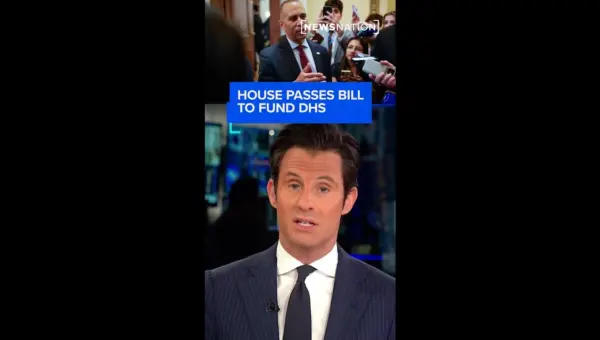
Congress Stalemate Threatens Border Security Funding
The U.S. House passed a temporary funding bill for the Department of Homeland Security, but Senate Democrats are expected to block it. This recurring stalemate highlights deep divisions over border policy and funding, potentially impacting national security and international perceptions of U.S. stability.

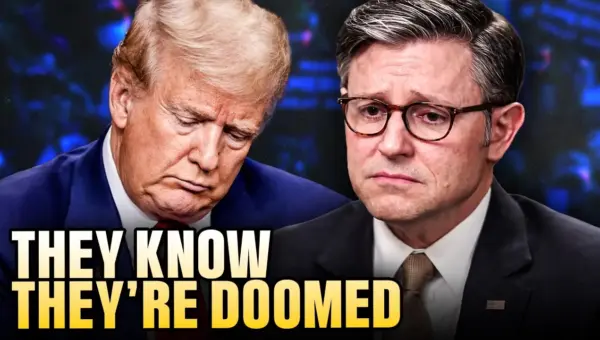
Polls Spell Doom: Republicans Face Voter Backlash
New polling data reveals a sharp decline in public confidence regarding the economic impact of Republican policies, particularly under Donald Trump. A significant majority now feel financially worse off, a trend that is especially pronounced among independent voters. This economic discontent poses a major challenge for the Republican party heading into future elections.

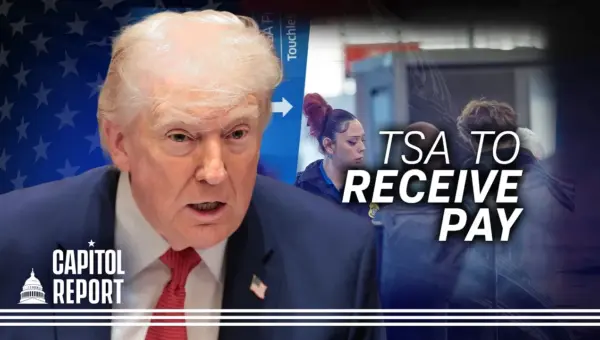
Congress Fights Over DHS Funds, Workers Face Pay Woes
House Republicans have rejected the Senate's DHS funding bill, proposing their own plan to fund the entire department. This has left many DHS workers, including TSA staff, without pay for weeks. President Trump has signed an order to provide back pay to TSA workers.