GOP Questions Trump’s Iran War Strategy Amid Troop Buildup
Republican lawmakers are questioning Donald Trump's strategy regarding Iran amid a significant troop buildup in the Middle East. Conflicting messages from the administration and the continued blockade of the Strait of Hormuz are raising serious concerns about the lack of a clear plan and potential escalation.


GOP Questions Trump’s Iran War Strategy Amid Troop Buildup
Reports suggest Donald Trump may be planning military action in Iran, possibly involving boots on the ground or taking strategic islands. Thousands of troops and sailors are being moved to the Middle East. The administration is also seeking $200 billion to fund ongoing military operations. This comes as Trump himself has declared victory and stated the conflict is over, leaving many confused about the true situation.
Lawmakers Seek Clarity on Conflicting Messages
Republican lawmakers are voicing concerns and demanding more information about the administration’s strategy. They feel the messages coming from the White House are contradictory and unclear. One day, officials claim victory; the next, they talk about ongoing negotiations or the need to inflict more damage. This inconsistency leaves many questioning the actual goals and progress of the military operations in the region.
“We’re just not getting enough answers. These are Republicans saying this.”
This sentiment highlights a significant disconnect between the administration’s public statements and the reality on the ground, according to these lawmakers. They are essentially backing up the concerns raised during public debates about the lack of transparency and a clear, consistent plan.
Straits of Hormuz Remain Blocked
A key point of concern is the ongoing blockade of the Strait of Hormuz. Despite claims of destroying Iran’s navy and military, the vital waterway remains impassable. Not only can American ships not transit the strait, but the U.S. is also unable to escort allied vessels through it. This situation raises serious questions about the effectiveness of the military actions taken so far and the true impact on Iran’s capabilities.
The Strait of Hormuz is a critical chokepoint for global oil supplies. Its continued closure has significant economic and geopolitical implications. The inability to secure this passage, even with a massive military presence, suggests a deeper problem with the strategy being employed.
Historical Context: Past Interventions and Their Consequences
The current situation echoes past U.S. military involvements in the Middle East, which often began with unclear objectives and led to prolonged conflicts. Decisions to deploy troops and significant financial resources require clear justification and a well-defined exit strategy. The lack of transparency and conflicting messages surrounding the Iran situation make it difficult for the public and even lawmakers to understand the rationale behind these actions.
Historically, interventions without clear goals or public support have often resulted in unintended consequences, increased regional instability, and significant human and financial costs. The current troop movements and funding requests raise concerns about repeating past mistakes.
Why This Matters
The potential for military escalation in Iran carries enormous risks. It could lead to a wider regional conflict, further destabilize an already volatile area, and result in significant loss of life. The economic impact of such a conflict, particularly on global energy markets, would also be severe. Furthermore, the lack of clear communication and strategy from the administration erodes public trust and makes informed democratic oversight impossible.
Implications, Trends, and Future Outlook
The current situation points to a trend of assertive military posturing without a clear diplomatic strategy. The reliance on military force as a primary tool, coupled with inconsistent messaging, could lead to further escalation. The involvement of Republican lawmakers in questioning the administration’s plans suggests a growing internal dissent that could impact future policy decisions.
Looking ahead, the lack of a coherent plan for Iran poses a significant challenge. Without clear objectives and a strategy for de-escalation, the situation could spiral. Future actions will likely depend on political pressures, evolving intelligence, and the ability of lawmakers to demand greater accountability and transparency from the executive branch. The outcome remains uncertain, but the need for clarity and a well-defined strategy is paramount.
Source: Republicans Admit Trump Has No Plan for Iran #politics #fyp #new (YouTube)

Related Articles


Trump’s War Talk Stuns Financial Crowd
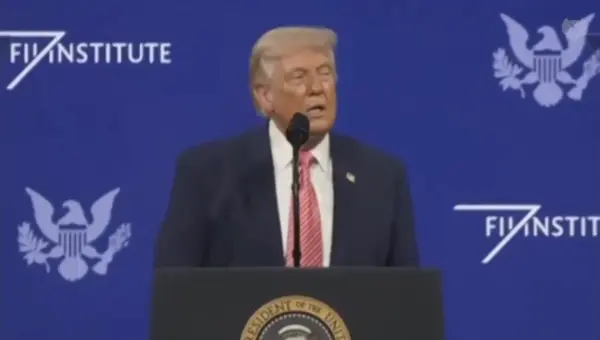
Donald Trump's recent speech in Miami focused on his foreign policy, particularly his critical views on NATO and his vision for international relations. He declared the U.S. would no longer defend NATO allies, questioned the value of existing alliances, and suggested renaming the Strait of Hormuz. The speech also touched on his personal views of success, his allies, and his perceived role as a global peacemaker.
Trump’s Warpath: New Threats Signal Imperial Ambitions
Recent statements from Donald Trump reveal a potential embrace of increased military action and interventionist foreign policy. This approach, characterized by critics as "imperialism 2.0," contrasts with his past promises of peace and has even drawn criticism from parts of his own base. The implications for U.S. global engagement and domestic priorities are significant.
US Troops Wounded in Saudi Base Attack by Iran
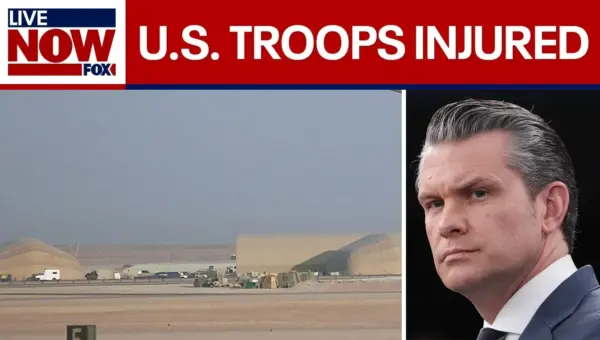
An Iranian missile attack on Prince Sultan Air Base in Saudi Arabia wounded multiple U.S. service members and damaged aircraft. The incident highlights the ongoing risks in the Middle East and the limitations of air defense systems. Analysts discuss the strategic implications, economic pressures, and the isolation of Iran amidst the conflict.