GOP Pushes Voting Rights Act Amidst Election Integrity Concerns
Republicans are pushing the Save America Voting Rights Act, emphasizing election integrity despite potential Senate hurdles. The debate highlights concerns over non-citizen voting and the need for photo ID, challenging claims of voter suppression.

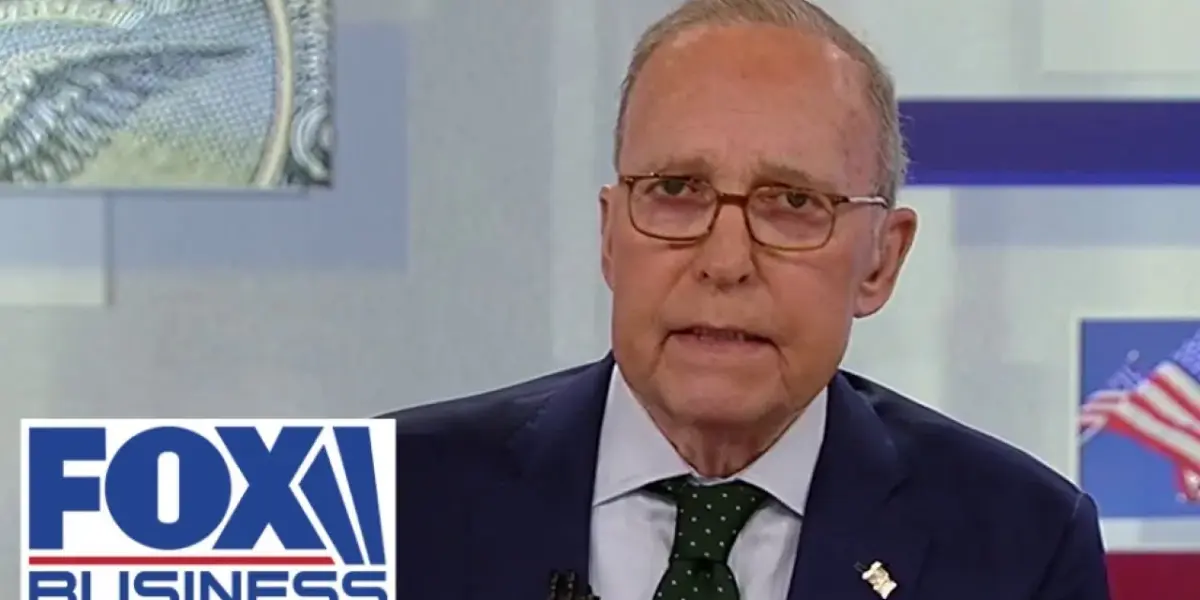
GOP Pushes Voting Rights Act Amidst Election Integrity Concerns
The Republican party is facing a potential setback in the Senate regarding the Save America Voting Rights Act. While the bill may not secure the 60 votes needed for passage, party leaders are emphasizing the importance of keeping the issue of voting integrity at the forefront of public discussion. This strategy aims to highlight concerns about election security and the significance of citizenship for voters.
Debate Over Senate Rules and Legislative Strategy
The path forward for the Save America Voting Rights Act in the Senate remains uncertain. Even without the required 60 votes to overcome a potential filibuster, Republicans intend to keep the conversation active. They believe the act addresses a popular concern across the nation and touches upon fundamental aspects of American democracy. The right to vote is considered a privilege, and keeping this issue alive is seen as crucial, especially with former President Trump actively discussing it.
While the intricacies of Senate rules, such as talking filibusters, can be complex, the core issue of voting integrity is deemed more critical. Some discussions have explored the possibility of using reconciliation bills, which only require a simple majority of 51 votes for passage. This legislative tool could potentially bypass the need for broader bipartisan support.
Concerns Over Non-Citizen Voting Surface
Recent reports, including an article in the New York Post, have brought attention to instances of individuals who are not U.S. citizens allegedly voting in American elections. The principle is straightforward: only citizens should have the right to vote. However, these reports suggest that hundreds of thousands of non-citizens may be finding ways to cast ballots.
Approximately 14 million people currently reside legally in the U.S. without being citizens. While many of these individuals may possess work permits or visas, they are not eligible to vote. This situation underscores the importance of verifying citizenship and requiring photo identification for all voters.
The Necessity of Photo ID and Proof of Citizenship
The requirement for photo identification is common in many aspects of daily life. For example, one needs a photo ID to board an airplane, join a gym, or even adopt a pet. Incredibly, even members of the U.S. House of Representatives need photo identification to vote on the House floor. This highlights a perceived inconsistency, as voting, a fundamental civic duty, is sometimes discussed without the same level of identification requirements.
The article notes at least 65 different activities that require a photo ID, ranging from buying tobacco and cell phones to applying for a job and picking up mail. Given this widespread need for identification in everyday transactions, the absence of such a requirement for voting is questioned by proponents of stricter election laws.
Countering Claims of Voter Suppression
Critics of stricter voting laws, such as Senate Majority Leader Chuck Schumer, have labeled such measures as “Jim Crow 2.0,” implying they are racist and designed to suppress votes. However, proponents argue that requiring proof of citizenship and photo ID is not about suppression but about ensuring election integrity. They dismiss these claims as baseless and nonsensical.
Addressing Deliberate Deception and Loopholes
Beyond lawful residents who are not citizens, concerns also extend to individuals who may deliberately misrepresent themselves to vote illegally. Some manage to vote despite not being legal residents with proper visas. Additionally, individuals with felony convictions have reportedly found ways to circumvent state voting laws.
It is acknowledged that some individuals who have voted illegally might lean Republican, and even some members of conservative parties have been implicated. Nevertheless, the focus remains on the broader issue of preventing any form of illegal voting. Democrats have often referred to non-citizen voting as a myth, but the increasing number of research studies and court documents presenting evidence suggests otherwise.
Market Impact and Investor Takeaways
The ongoing debate surrounding voting rights and election integrity, while primarily a political issue, can have indirect effects on market sentiment and investor confidence. Concerns about the fairness and security of elections can create uncertainty, which markets generally dislike. Stability and predictability are key factors that influence investment decisions.
Investors often pay attention to legislative developments that could impact the business environment, regulatory landscape, or economic policies. While the Save America Voting Rights Act itself might not directly alter economic fundamentals, the underlying discussion about election integrity could influence voter turnout and political outcomes. These outcomes, in turn, can shape future economic policies and market trends. For instance, changes in administration or legislative priorities could lead to shifts in tax policy, trade agreements, or industry regulations, all of which can affect corporate earnings and stock valuations.
Furthermore, the focus on election security could lead to increased scrutiny of voting systems and processes. Any resulting legislation or regulatory changes in this area might create opportunities or challenges for companies involved in election technology or administration. Investors seeking to understand the broader implications should monitor how these political discussions translate into concrete legislative actions and their potential economic consequences.
Long-Term Implications for Democracy and Markets
The long-term implications of this debate extend beyond immediate political outcomes. Establishing clear and secure voting processes is fundamental to democratic governance. When citizens have confidence in the integrity of their elections, it fosters greater civic engagement and political stability. This stability is beneficial for the economy and the investment climate.
Conversely, persistent doubts about election fairness can erode public trust and potentially lead to increased political polarization. Such an environment can create headwinds for economic growth and create volatility in financial markets. Investors often favor environments where policy decisions are made through established, transparent processes and where the rule of law is consistently upheld. The ongoing discussion around voting rights and election integrity is, therefore, a critical one to watch for its potential impact on the broader socio-political and economic landscape.
Source: Kudlow: The GOP might lose this… (YouTube)

Related Articles

CPAC Crowd Cheers Impeachment, Stuns Trump Allies
At the recent CPAC conference in Texas, attendees surprised many by cheering for impeachment hearings, signaling potential divisions within the conservative base. The event also highlighted voter frustration over issues like ongoing wars and affordability, with some considering not voting.
House Funds DHS Short-Term, Senate Stalemate Looms
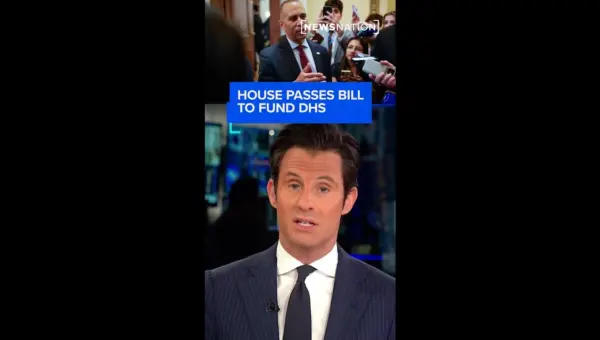
The House has passed a short-term bill to fund the Department of Homeland Security, but the Senate is expected to reject it. This temporary measure highlights ongoing political divisions and the challenges in reaching long-term budget agreements in the U.S. Congress.

Congress Stalemate Threatens Border Security Funding
The U.S. House passed a temporary funding bill for the Department of Homeland Security, but Senate Democrats are expected to block it. This recurring stalemate highlights deep divisions over border policy and funding, potentially impacting national security and international perceptions of U.S. stability.