GOP Pushes SAVE Act: Election Integrity Stalls in Senate
RNC Chairman Michael Whatley criticizes Senate Democrats for blocking the SAVE Act, which mandates voter ID. He highlights broad public support for the measure and vows to force a debate on election integrity. The discussion also touches on key campaign issues like the economy and crime.

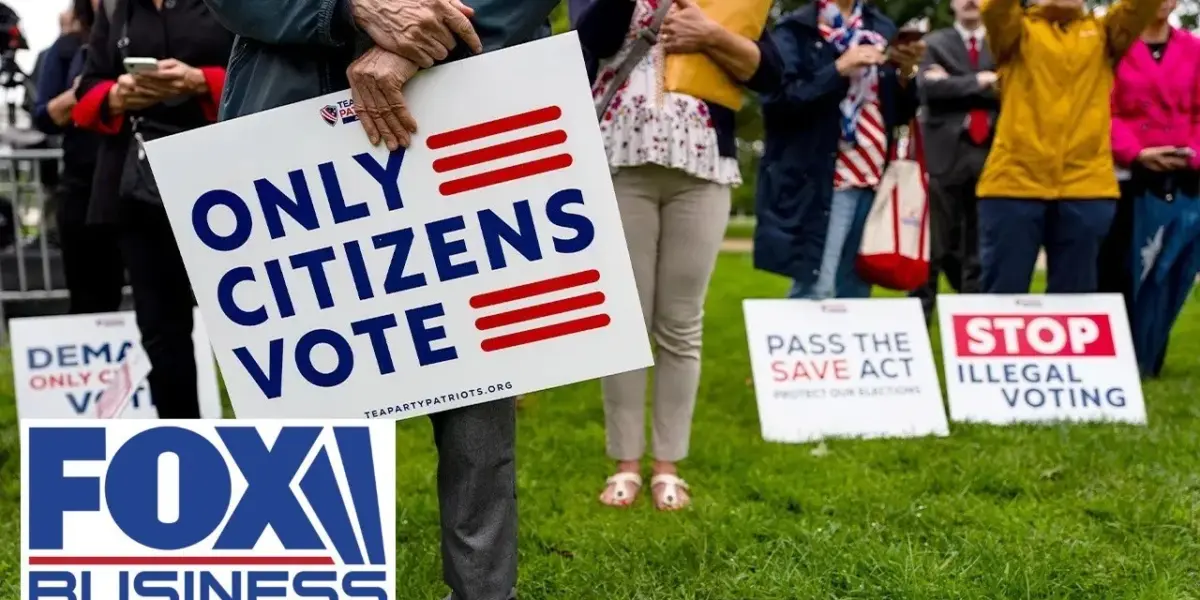
GOP Ultimatum on SAVE Act Highlights Election Integrity Debate
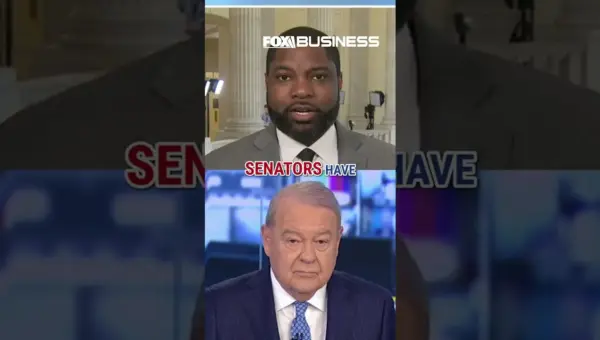
In a heated exchange on national television, Republican National Committee Chairman Michael Whatley voiced strong criticism regarding the stalled SAVE Act, a bill aimed at enhancing election integrity through voter identification requirements. The conversation, broadcast on Maria Bartiromo’s program, underscored a significant partisan divide and a strategic push by Republicans to bring the issue to the forefront of the political agenda, particularly in the lead-up to the upcoming November elections.
Whatley’s Stance on the SAVE Act
Michael Whatley, also a candidate for the U.S. Senate in North Carolina, articulated the Republican perspective, emphasizing the broad public support for voter ID laws. “Over 80% of the American population wants to see this, 90% of Republicans and 80% of Democrats want to see this,” Whatley stated, highlighting a perceived disconnect between public opinion and legislative action. He pointed to instances such as the arrest of an individual in Pennsylvania, allegedly an undocumented immigrant who had voted multiple times in national elections, as evidence of the real-world implications of lax election security. “This is a real issue and that’s why I’ll be a strong supporter,” he asserted.
“Why should there be an issue when you have over 80% of the American population that want to see this and 90% of Republicans and 80% of Democrats want to see this? Yet, given Democrats in the Senate, none of them want to step up and deal with this right now.”
– Michael Whatley, RNC Chairman
The Democratic Obstacle and Senate Tactics
Whatley directly challenged Senate Democrats, accusing them of obstructing the SAVE Act and avoiding a debate on election integrity. He announced plans to bring the bill to the Senate floor, anticipating a difficult defense from Democrats. “Let’s hear the Democrats try to defend why it is that we should not have voter ID and why people should be allowed to vote,” Whatley declared, vowing to be on the floor every moment of the week to push the issue. He also alluded to the possibility of a “talking filibuster,” a tactic where senators can delay a vote by continuing to speak, as a means to force a debate and potentially embarrass opponents.
The use of the filibuster by Democrats was also cited by Whatley as a tactic to impede Republican priorities, including the confirmation of President Trump’s nominees. He stated, “The Democrats have been abusing the filibuster this entire Congressional cycle.” The RNC Chairman outlined the party’s commitment to election integrity, referencing the establishment of the first-ever national election integrity program, the recruitment of thousands of attorneys and volunteers, and the filing of numerous lawsuits to protect ballots across the country.
Broader Campaign Themes in North Carolina
Beyond the SAVE Act, Whatley discussed key issues central to his Senate campaign in North Carolina, drawing parallels to the platform that led to President Trump’s victories in the state. He stressed the importance of rebuilding the economy, restoring borders, and ensuring community safety, including support for law enforcement. Whatley also sharply criticized his opponent, incumbent Governor Roy Cooper, labeling him as “soft on crime” and highlighting his record on tax policy, which Whatley characterized as raising taxes and vetoing tax cuts.
Energy affordability emerged as another critical campaign theme. Whatley argued that lowering energy prices and ensuring affordable, reliable electricity are crucial for economic growth and job creation. He contrasted this with the current administration’s policies, promising to champion an agenda focused on reducing costs for North Carolinians.
Crime and Judicial Policy Under Scrutiny
A significant portion of the discussion focused on crime and judicial policy, with Whatley launching a strong attack on Governor Cooper’s record. “Roy Cooper is a most pro-crime governor in the history of North Carolina,” Whatley asserted, citing executive orders that he claims broadened pretrial release and cashless bail, leading to the release of criminals. He specifically mentioned Cooper’s decision to sign a court settlement that resulted in the release of over 4,000 inmates, including violent offenders, citing concerns over COVID-19 exposure. The case of a murderer who was released and subsequently committed another murder was brought up as a tragic consequence of these policies.
Whatley positioned himself as the conservative alternative, promising to be an ally to President Trump and contrasting his approach with what he described as Cooper’s “woke” agenda. The North Carolina Senate race is framed as a pivotal contest for control of the Senate, with both parties mobilizing their bases around distinct visions for the country.
Looking Ahead: The Fight for Election Integrity
The push for the SAVE Act and the broader debate over election integrity are set to intensify as the election cycle progresses. Republicans appear determined to leverage public sentiment and legislative tactics to force a vote on voter ID, while Democrats are expected to resist, framing the issue as an attempt to suppress votes. The outcome of these legislative battles, particularly in closely contested states like North Carolina, could significantly influence voter turnout and the broader political landscape heading into November.
Source: GOP ULTIMATUM: Why can't the SAVE Act pass? (YouTube)

Related Articles
Voter ID: Common Sense or Suppression?
A growing debate surrounds voter ID laws, with proponents calling them a common-sense measure against fraud and opponents fearing voter suppression. Many countries and U.S. states already require ID to vote.


Election Battles Erupt: Citizens Fight Back Against Gerrymandering
Citizens are fighting back against what they see as unfair election practices and gerrymandering. In Missouri, a grassroots movement is using a citizen initiative process to challenge new district maps and ensure voters have the final say. This struggle for fair representation highlights a growing trend of civic engagement.
GOP Lawmaker Slams DHS Funding Deal
A Republican lawmaker slammed a DHS funding package passed by the Senate in a late-night voice vote. The representative argued the bill "very disgusting" for not fully funding ICE and CBP. This highlights ongoing frustrations with legislative gridlock.