GOP Policies Push USPS to Brink of Collapse
The US Postal Service is reportedly on the verge of bankruptcy due to a combination of declining mail volume and restrictive Republican policies. A 1992 law capped its borrowing ability, while a long-term agenda to privatize the service fuels concerns about its future. This potential collapse could significantly impact millions of Americans, especially in rural areas.

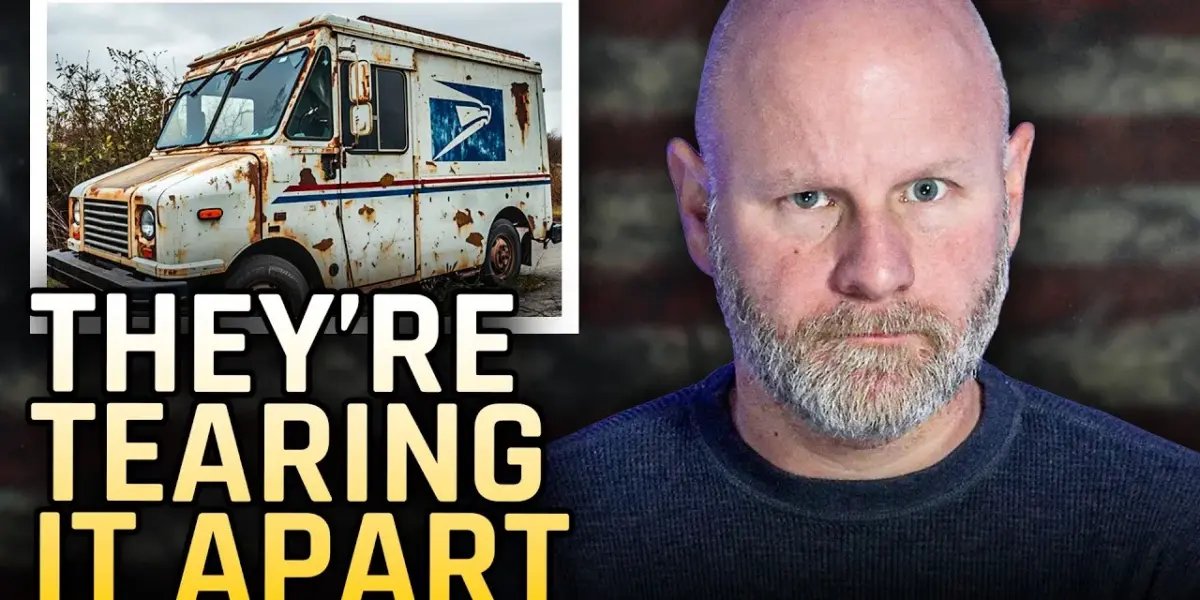
GOP Policies Push USPS to Brink of Collapse
The United States Postal Service, a service many of us take for granted, is reportedly about a year away from bankruptcy. This could mean the end of mail delivery as we know it. The Postmaster General, David Steiner, has warned that the service might soon be unable to deliver mail. This vital system, which has served the country for centuries, is now facing extinction due to specific Republican policies.
A Long Road to Financial Trouble
While this situation isn’t solely the fault of any one president, the Postal Service has been losing money every year since 2007. Traditionally, the USPS funded itself through the sale of stamps and other services, not taxpayer dollars. However, the rise of email and digital billing has led to fewer people buying stamps, cutting into its main revenue stream. The Postal Service could previously borrow money from the Federal Reserve to cover its shortfalls. But this ability has been severely limited.
The 1992 Cap: A Turning Point
A key moment in the Postal Service’s financial struggles arrived in 1992. President George H.W. Bush, a Republican, signed a law that placed a cap on how much the USPS could borrow from the Federal Reserve. Before this law, the service had more flexibility to borrow funds. This cap essentially put a limit on its ability to manage its finances, much like a credit card limit that can’t be exceeded.
Tax Dollars and Priorities
The speaker expresses a willingness to use tax dollars to support the Postal Service. They argue that funding mail delivery is a more desirable use of public money than investing in military hardware like bullets, bombs, and missiles. The belief is that most Americans would prefer their tax money to go towards a practical service like mail delivery rather than defense spending.
The Privatization Agenda
A long-standing goal for some Republicans, including figures like Donald Trump, has been to privatize the Postal Service. The idea is to dismantle the public service and instead award lucrative contracts to private delivery companies such as UPS, FedEx, DHL, and Amazon. Proponents of this view believe private companies could run the service more efficiently. However, critics argue this would lead to higher costs for consumers and potentially worse service, even though taxpayer money would still be involved, just redirected to private corporations.
Why This Matters
The potential collapse of the USPS has significant implications for millions of Americans. It is more than just a delivery service; it’s a crucial link for communities, especially in rural areas where private carriers may not operate as extensively. Seniors rely on it for medication, small businesses depend on it for shipping, and it plays a role in elections by delivering ballots. Losing this public service could create significant disruptions and increase costs for essential goods and services. The debate highlights a fundamental difference in how public services should be managed – whether as a government responsibility or a private enterprise.
Historical Context and Future Outlook
The Postal Service has a deep history in the United States, predating the nation itself. Its universal service obligation, meaning it must deliver to every address, is a core principle. The financial challenges it faces are a mix of declining mail volume due to technology and legislative actions that have restricted its financial flexibility. The push for privatization, while not new, has gained momentum in recent years. If the USPS were to fail, the transition to private carriers would likely be complex and costly. It raises questions about accessibility, affordability, and the role of government in ensuring essential services for all citizens. The future outlook depends heavily on policy decisions made in the coming months and years, balancing the need for modernization with the mandate of universal service.
Source: US Postal Service Is GUTTED Thanks To Republicans (YouTube)

Related Articles

Trump’s Name Everywhere: A ‘Stain’ on GOP Legacy?
Former President Donald Trump's efforts to brand national symbols, including a proposed signature on dollar bills, spark debate. Critics view this as an authoritarian attempt to embed his legacy, potentially staining the Republican Party's history and contrasting with democratic ideals of public ownership.


CPAC Crowd’s Boos Reveal GOP’s Deep Divide
A moment at CPAC where the crowd booed impeachment hearings reveals deep divisions within the Republican party. Younger supporters are concerned the GOP base is crumbling due to issues like the Iran war, gas prices, and other controversies.


Florida Shockwave: Red State Flip Signals GOP’s Midterm Peril
Democrats have secured key victories in deep-red Florida districts, boosting their chances of winning both the House and Senate in the upcoming midterms. This surprising trend suggests a potential shift in voter sentiment, even in traditionally Republican strongholds.