GOP Leaders Falter Amidst Trump’s Iran Conflict Fallout
Republican leaders are facing intense scrutiny over their handling of the conflict with Iran, with critics decrying their public statements as detached from the war's realities. The situation highlights deep ideological divides and raises concerns about the human and economic costs of aggressive foreign policy.

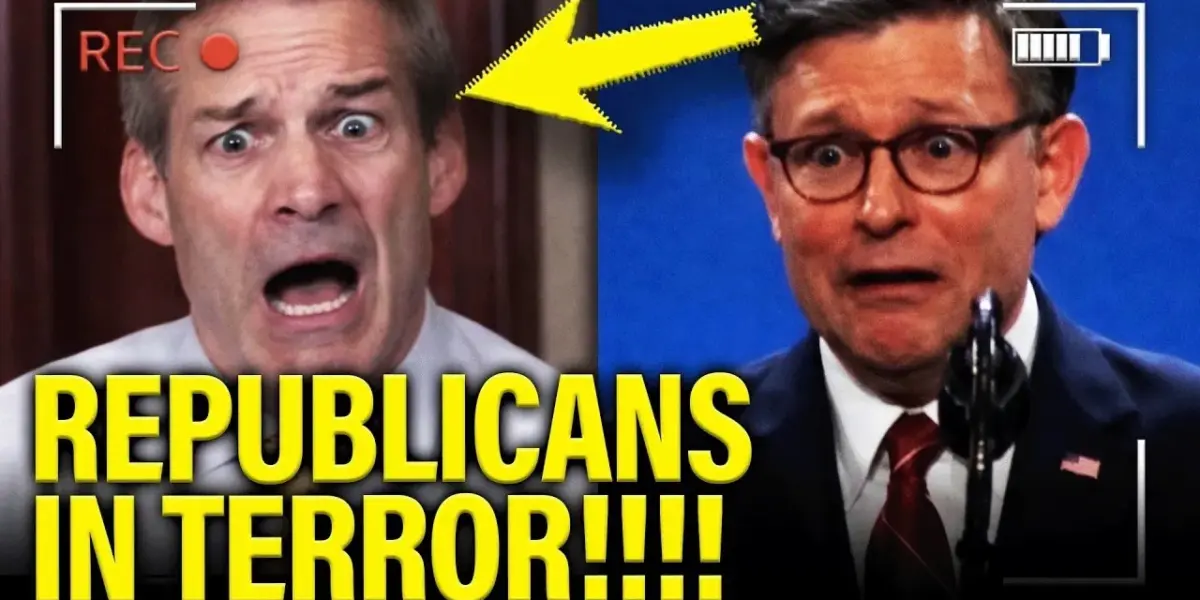
GOP Leaders Falter Amidst Trump’s Iran Conflict Fallout
The Republican party appears to be in a state of disarray, grappling with the repercussions of Donald Trump’s aggressive foreign policy, particularly concerning Iran. While Republican leaders convened at Trump’s Doral resort, ostensibly for strategic planning, the underlying sentiment among many MAGA loyalists is one of panic. This internal turmoil is manifesting in public statements that critics are decrying as detached from reality, even bordering on the absurd.
A War of Contradictions and Justifications
At the heart of the controversy is a conflict with Iran, initiated under Trump’s leadership, which critics argue has been a catastrophic failure. Despite American troops having been lost and injured, and international relations reportedly strained, some Republican figures are publicly praising the war’s execution. Senator Cynthia Lummis, for instance, asserted that the war has a “well articulated mission” and that funding should be a “smooth sailing” endeavor, implying a level of success that many observers dispute.
The narrative of success is further amplified by figures like Congressman Dan Crenshaw, who, in a statement that stunned many, declared Trump a “genius” for his handling of the conflict. Crenshaw posited that Trump’s approach was ingenious and flawless, a stark contrast to previous administrations that, in his view, appeased Iran with cash or sanctions relief. This perspective suggests a radical departure from traditional diplomatic strategies, embracing a more confrontational stance.
The Price of ‘Freedom’ and ‘Liberation’
The human cost of such a conflict is also a point of contention. Congresswoman Mariannette Miller-Meeks, speaking on the necessity of engaging in conflict, framed it as a “small price to pay for freedom.” This sentiment is echoed by Congresswoman Maria Salazar, who lauded Trump’s “good intentions” and his role as a “liberator.” Critics, however, view these actions not as liberation but as invasion and predation, highlighting a profound ideological chasm.
Congressman Jim Jordan has become a focal point of criticism for his public defense of the administration’s actions. Jordan, when questioned about the potential for increased prices and the deployment of troops, argued that stopping Iran from acquiring nuclear weapons is a “worthwhile objective.” He suggested that Americans should be willing to endure temporary economic hardships, such as higher prices, for the sake of long-term security. This stance has been met with accusations of sociopathy and a willingness to disregard the well-being of constituents.
Economic Repercussions and Energy Crisis
Beyond the immediate military conflict, the Trump administration’s policies are being blamed for exacerbating an energy crisis. Critics point to Trump’s dismantling of clean energy initiatives, arguing that this has made the U.S. more vulnerable to global oil shocks. The current surge in oil and gas prices, described by some as the most severe since the 1970s, is seen as a direct consequence of this anti-clean energy agenda, effectively putting “America last” under the guise of “America First.”
Geopolitical Alliances and Misinformation
Adding another layer of complexity is the alleged alliance between Iran, Russia, China, and North Korea. While former Acting Attorney General Matthew Whitaker downplayed public indications of Russian involvement in aiding Iran, critics argue that such an alliance is a clear and present danger. The situation is further complicated by instances of alleged misinformation, such as a deleted Department of Energy tweet that caused market disruption, for which Secretary of Energy Chris Wright took responsibility.
Space as the New Frontier
In a seemingly disconnected development, Trump’s NASA administrator, Jared Isaacman, praised Trump’s creation of the Space Force and the Artemis program, framing space as the “ultimate high ground” and a potential battlefield. This highlights a broader strategic vision that extends beyond terrestrial conflicts, emphasizing American superiority in all domains.
Why This Matters
The discourse surrounding the Iran conflict and related policies reveals a deep ideological divide within the Republican party and between the party and its critics. The willingness of some Republican leaders to justify military action and potential economic hardship in the name of national security, while downplaying the human and economic costs, raises serious questions about their priorities and their understanding of effective foreign policy. Furthermore, the allegations of misinformation and the dismissal of clean energy initiatives suggest a pattern of governance that may be detrimental to both domestic prosperity and international stability.
Implications, Trends, and Future Outlook
The current situation underscores a trend of escalating confrontational foreign policy, often coupled with a disregard for established diplomatic norms. The reliance on strongman rhetoric and the framing of complex geopolitical issues in simplistic terms of victory or defeat are becoming increasingly common. Looking ahead, the ongoing conflict and the internal divisions it exposes could significantly impact future U.S. foreign policy, potentially leading to further isolation or increased global instability. The emphasis on military solutions over diplomatic ones, and the dismissal of long-term investments in areas like clean energy, suggest a path that prioritizes short-term gains and ideological purity over sustainable and inclusive growth.
Historical Context and Background
The current tensions with Iran are part of a long and complex history. Following the 1979 Iranian Revolution, U.S.-Iran relations have been fraught with mistrust and hostility. The Obama administration’s efforts to negotiate a nuclear deal, the Joint Comprehensive Plan of Action (JCPOA), were met with significant opposition from Republicans who favored a more stringent approach. Trump’s withdrawal from the JCPOA and his subsequent “maximum pressure” campaign marked a significant escalation, leading to increased regional tensions and the events currently unfolding.
Source: GOP in COMPLETE TERROR as Trump’s WAR is TOTAL FAILURE!!! (YouTube)

Related Articles

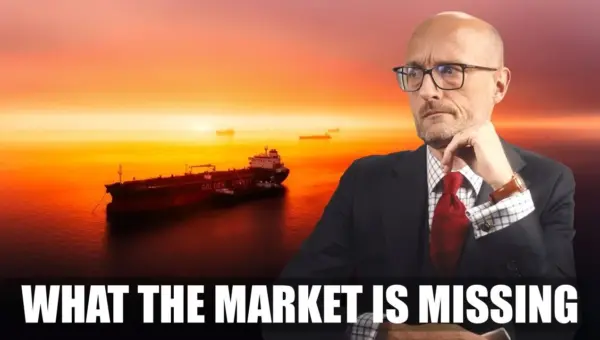
Stocks Ignore War Risks, Focus on “Taco Moments”
Stock markets appear to be overlooking the severe supply chain risks stemming from the Iran conflict, focusing instead on potential diplomatic de-escalations. While the S&P 500 shows resilience, bond and commodity markets signal deep concern over disruptions to critical resources like LNG, helium, and fertilizers.

U.S. Iran Tensions Rise Amid Shifting Alliances
Rising tensions between the U.S. and Iran are creating a volatile geopolitical situation. With conflicting signals on de-escalation and potential shifts in alliances like NATO and U.S.-Israel relations, the path forward remains uncertain. The global economy and regional stability hang in the balance.


Iran Targets US With Cyberattacks, Escalating Digital Warfare
Iran is increasingly using cyberattacks to challenge the U.S., as seen in a recent hack of the FBI director's account. Experts say this is a strategic shift due to Iran's limitations in conventional warfare. The U.S. needs to strengthen its digital defenses, focusing on encryption and cloud computing, rather than solely relying on traditional security measures.