GOP Leaders Clash Over DHS Funding, Exposing Deep Divisions
Republican leaders are struggling to find common ground on Department of Homeland Security funding, exposing deep divisions within the party. A proposed House resolution faces an uphill battle due to Senate recess and internal GOP dissent. Speaker Mike Johnson appears to be prioritizing appeasing a conservative faction over seeking broader bipartisan support.


House Speaker Faces Uphill Battle on DHS Funding Amidst Senate Recess
The U.S. House of Representatives is set to vote on a continuing resolution for Department of Homeland Security (DHS) funding, a move that highlights a significant lack of coordination between Republican leadership. Speaker Mike Johnson has put forward a bill that must first pass the House before heading to the Senate. However, Senate Majority Leader Chuck Schumer has already indicated that any such proposal would be dead on arrival in the Senate, creating an immediate hurdle.
Senate Recess Complicates Funding Negotiations
The timing of the House vote is particularly challenging because the Senate is currently in recess. Senators have returned to their home districts for spring break, with family obligations and state responsibilities taking priority. It could take up to two weeks before senators are back in Washington to even consider the House’s proposed funding bill. This extended absence raises questions about the effectiveness of legislative action when key lawmakers are not present to vote.
Communication Breakdown Between House and Senate Leaders
A notable communication gap appears to exist between Senate Republican Leader John Thune and Speaker Mike Johnson. It remains unclear if Senator Thune has informed Senate Republicans that they may need to cut their recess short to address the DHS funding issue. The situation is further complicated by the fact that the Senate had believed its legislative work on funding was already completed. This disconnect between the two chambers signals potential gridlock and further delays in addressing critical government funding needs.
Speaker Johnson Bows to Conservative Faction
Speaker Johnson finds himself in a precarious position, seemingly yielding to pressure from a small but vocal group of conservative members within the House Republican conference. Sources suggest that if this funding bill were brought to the floor for a vote on Friday, it would likely garner substantial support, potentially exceeding 300 votes. This broad support would include nearly all Democrats and a majority of Republicans. However, bringing the bill to a vote would likely provoke intense backlash from the most conservative wing of the party.
Threats to Speakership Drive Political Maneuvering
The loudest right-wing voices within the Republican conference have the power to significantly disrupt Speaker Johnson’s leadership. They have the ability to threaten his position as Speaker, making his tenure difficult and potentially untenable. Furthermore, if Republicans lose control of the House in the upcoming fall elections, Johnson’s prospects of remaining a leader in the minority party would likely diminish significantly. His current actions appear to be a strategic response to appease this influential base, prioritizing their demands over broader legislative consensus.
A Bipartisan Solution Remains Elusive
The political calculus facing Speaker Johnson is clear: risk alienating his conservative base by allowing a bipartisan bill to pass, or maintain party unity by blocking legislation that could secure needed funding but face internal opposition. The transcript suggests that a bill supported by a majority of both parties could easily pass if allowed to come to a vote. However, the Speaker’s focus on appeasing a specific faction of his party suggests that such a bipartisan solution is unlikely in the immediate future, leaving the DHS funding in limbo.
Looking Ahead: A Divided House and Uncertain Funding
The current standoff over DHS funding underscores the deep divisions within the Republican party and the challenges facing Speaker Johnson. As the House prepares for a vote on the continuing resolution, all eyes will be on whether Johnson prioritizes bipartisan cooperation or appeases his conservative flank. The Senate’s recess further complicates the timeline, potentially pushing critical funding decisions into the future. The outcome will likely reveal the extent of Speaker Johnson’s control over his conference and the broader direction of Republican legislative strategy heading into the election year.
Source: Lack of coordination between Republican leaders on display in DHS funding fight (YouTube)

Related Articles
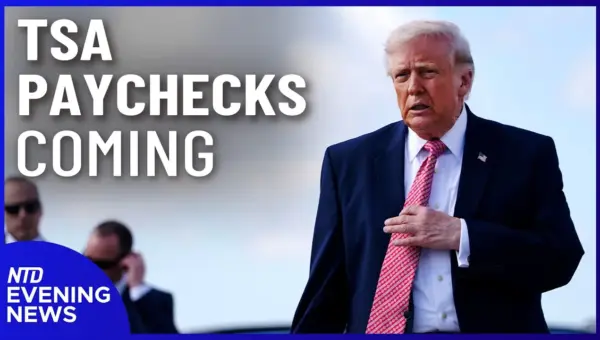
Government Shutdown Sparks TSA Pay Chaos; Woods Arrested
The government shutdown caused major disruptions, leading to TSA agents working without pay and President Trump signing an order to ensure their compensation. Meanwhile, golf icon Tiger Woods was arrested following a car crash in Florida. The news cycle also covered US operations in Iran, support for American farmers, political discussions at CPAC, election record disputes, and lawsuits against social media companies for their impact on students.


House Republicans Block DHS Funding Bill; Iran Faces War Fears
House Republicans have rejected a Senate-passed bill to fund the Department of Homeland Security, leaving thousands of TSA workers unpaid and deepening a political standoff. Meanwhile, in Iran, citizens face escalating conflict amidst fear, an internet blackout, and growing internal divisions, though glimmers of hope persist.
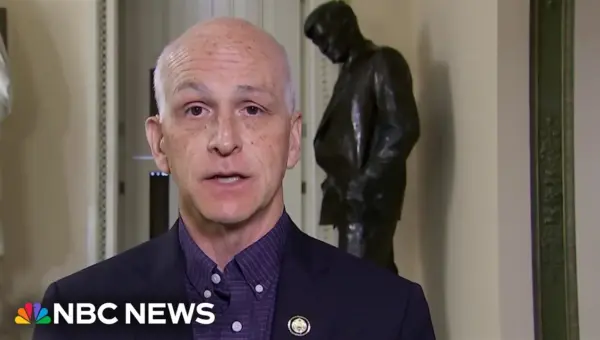
Democrat: Speaker Johnson Holds TSA Hostage for Immigration Reform
House Democrats accuse Speaker Mike Johnson of holding the TSA 'hostage' by refusing to bring a bipartisan Senate funding bill to the floor. Congressman Adam Smith argues this tactic is used to force concessions on immigration reform, putting essential services at risk. A Senate-passed bill could fund the TSA immediately, but Johnson's approach creates a legislative stalemate.