GOP Lawmaker Slams DHS Funding Deal
A Republican lawmaker slammed a DHS funding package passed by the Senate in a late-night voice vote. The representative argued the bill "very disgusting" for not fully funding ICE and CBP. This highlights ongoing frustrations with legislative gridlock.


Republican Lawmaker Criticizes DHS Funding Package
A Republican member of the House of Representatives has voiced strong disapproval of a recently passed funding package for the Department of Homeland Security (DHS). The lawmaker, speaking on condition of anonymity, called the deal “very disgusting” for failing to fully fund key immigration enforcement agencies like Immigration and Customs Enforcement (ICE) and Customs and Border Protection (CBP).
Senate Procedural Concerns Raised
The criticism centers on the way the Senate handled the funding bill. The senator explained that the Senate did not hold a full vote late last night. Instead, the measure was passed around 2:00 a.m. by a voice vote. This means only a handful of senators, reportedly five, were present on the Senate floor.
A voice vote is a quick way to pass legislation. Senators shout “yea” or “nay,” and the presiding officer decides the outcome. This method is often used for non-controversial items or when quick action is needed. However, the lawmaker argued that passing a significant funding bill this way, especially one that omits full funding for critical agencies, is a dereliction of duty. It suggests that Senate leadership, both Republican and Democrat, agreed to move the package without broader debate or support.
“Senate leadership, Republican and Democrat, agreed that everybody was just going to stay in their beds while five people moved this package without ICE and CBP. I find this to be very disgusting and it abdicates the responsibility that United States senators have been given by the people in their states.”
House vs. Senate: A Policy Stalemate
The representative highlighted a recurring issue in Washington: the difficulty of getting things done. They stated that the House of Representatives often passes a large volume of policy initiatives. However, many of these measures never reach a floor vote in the House. This is because there is a perceived lack of willingness in the Senate to overcome the filibuster.
The filibuster is a tactic used in the Senate that allows a minority of senators to delay or block a vote on a bill. To end a filibuster, typically 60 votes are needed, a threshold often difficult to reach. The lawmaker suggested this Senate hurdle is the root cause of inaction. The current situation, where a funding bill was passed in the “cover of darkness” while most lawmakers were absent, exemplifies this frustration.
The Call for Full Homeland Security Funding
The core of the lawmaker’s argument is a demand for complete funding for the Department of Homeland Security. They emphasized their personal stance: “My position is fund all of Homeland Security.” This means ensuring that agencies responsible for border security and immigration enforcement receive the necessary resources without cuts or omissions.
The representative expressed concern that the public often wonders why Washington seems unable to achieve legislative goals. The actions in the Senate, as described, contribute to this perception of governmental inefficiency and a failure to address pressing national issues, particularly concerning border security and national safety.
Market Impact
While this is a political dispute over funding priorities, it can have indirect effects on markets. Uncertainty surrounding government funding, especially for agencies involved in trade, security, and immigration, can create volatility. Investors often react to perceived instability or a lack of clear policy direction. For sectors reliant on stable government contracts or influenced by immigration policy, such disputes could signal potential future disruptions.
What Investors Should Know
Investors should monitor how these funding debates evolve. Consistent underfunding or political gridlock regarding homeland security could impact the operational capacity of agencies like ICE and CBP. This, in turn, might affect supply chains, labor markets, and the overall business environment, particularly in sectors sensitive to immigration and border activity. The core issue is the effectiveness and resource allocation of government functions critical to national security and economic stability.
Source: Donalds TORCHES Democrats: This is 'VERY DISGUSTING' #shorts (YouTube)

Related Articles

Government Shutdown Sparks TSA Pay Chaos; Woods Arrested
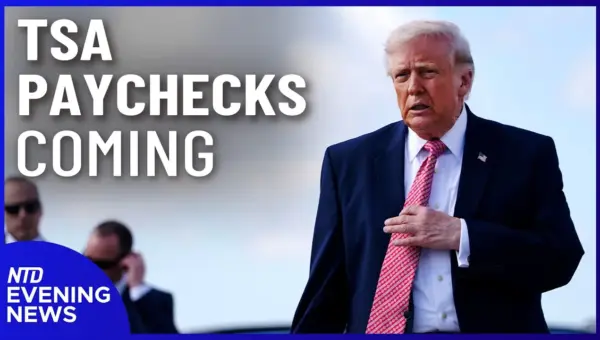
The government shutdown caused major disruptions, leading to TSA agents working without pay and President Trump signing an order to ensure their compensation. Meanwhile, golf icon Tiger Woods was arrested following a car crash in Florida. The news cycle also covered US operations in Iran, support for American farmers, political discussions at CPAC, election record disputes, and lawsuits against social media companies for their impact on students.


House Republicans Block DHS Funding Bill; Iran Faces War Fears
House Republicans have rejected a Senate-passed bill to fund the Department of Homeland Security, leaving thousands of TSA workers unpaid and deepening a political standoff. Meanwhile, in Iran, citizens face escalating conflict amidst fear, an internet blackout, and growing internal divisions, though glimmers of hope persist.


GOP Slams Senate’s DHS Funding Bill: Border Security Ignored
House Republicans are sharply criticizing the Senate's handling of a Homeland Security funding bill, arguing it neglects crucial border security measures. The dispute highlights ongoing political tensions and the potential impact on government agencies and national security priorities.