GOP Lawmaker: Iran’s Nuclear Program is a ‘Legitimate Target’
A Republican congressman has labeled Iran's nuclear program a "legitimate military target" and defended President Trump's strategy amid rising Middle East tensions. He criticized Democrats for changing their stance on Iran's nuclear ambitions and warned against prolonged U.S. military ground operations.

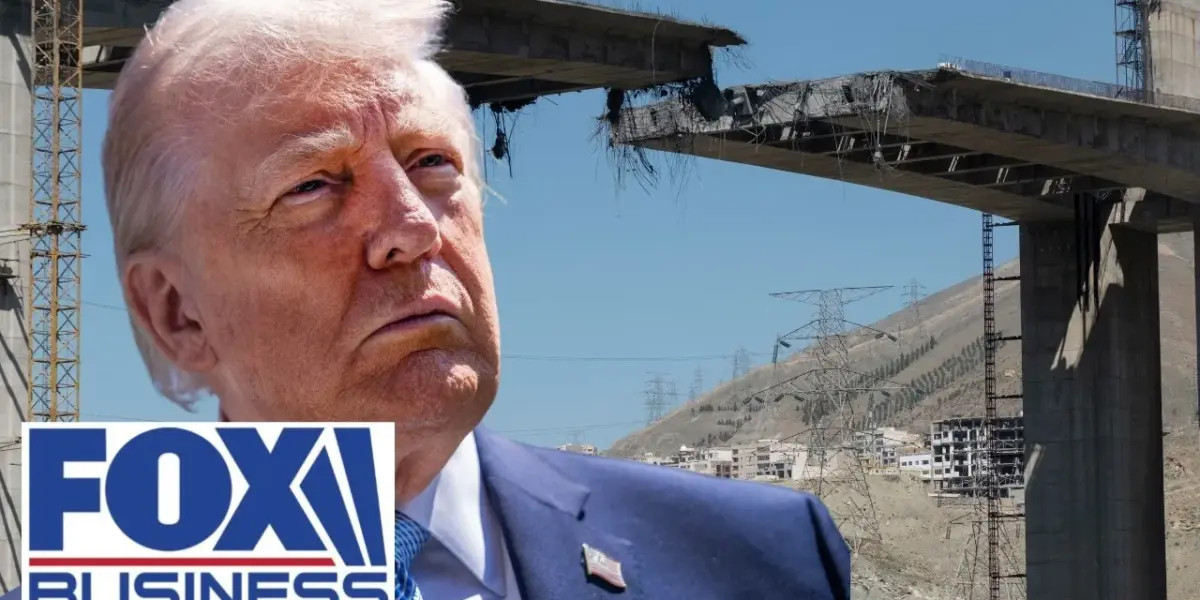
GOP Lawmaker Defends Trump’s Strategy on Iran, Calls Nuclear Program ‘Legitimate Target’
A Republican congressman has strongly defended the Trump administration’s approach to Iran, labeling the nation’s nuclear program as a “legitimate military target.” The comments come amid escalating tensions in the Middle East and concerns over Iran’s nuclear ambitions.
U.S. Navy SEAL veteran and Wisconsin Congressman Derek Van Orden stated that if Iran were to launch a nuclear attack on Israel, the United States would respond by “totally obliterate” Iran’s nuclear facilities. He emphasized that Iran’s nuclear weapons program poses an existential threat to Israel and the wider Western world. “We cannot allow Iran to get a nuclear weapon,” Van Orden asserted.
He highlighted that a nuclear Iran and rockets launched by Hezbollah from Lebanon represent the two biggest threats to Israel. Van Orden also pointed out that Iran has a history of sponsoring terrorism and threatening U.S. interests. He noted that figures like Hillary Clinton, Barack Obama, Chuck Schumer, Joe Biden, and Kamala Harris have previously expressed the need to stop Iran’s “terror regime” from acquiring nuclear weapons, suggesting a past bipartisan consensus on the issue.
“Hillary Clinton even said she would attack Iran if she was president,” Van Orden remarked, questioning the current Democratic opposition to President Trump’s actions. He suggested that Democrats are now criticizing Trump for taking steps that they themselves once deemed necessary.
Iran’s Strategic Moves and U.S. Response
Van Orden addressed Iran’s tactic of using delays to keep the Strait of Hormuz open, calling it their “only ace in the hole.” The Strait of Hormuz is a crucial waterway for global oil transport. He expressed skepticism about President Trump’s ability to get Iran to give up its enriched uranium and open the strait, describing the Iranian leadership as a “death cult” that does not prioritize its own people.
He cited the regime’s alleged slaughter of over 30,000 protesters as evidence of their disregard for human life. Van Orden predicted that getting Iran to comply would be a “very difficult challenge” and an “uphill slog.”
Defining ‘Legitimate Targets’ in Conflict
Addressing concerns about potential war crimes, Van Orden clarified the definition of legitimate military targets. He explained that any facility involved in the production or transportation of weapons, including trucks, trains, and bridges used for delivery, are considered legitimate targets. “This is dual use infrastructure,” he stated.
Van Orden criticized his Democratic colleagues for labeling U.S. strikes on Iranian targets as potential war crimes. He called this “dangerous rhetoric” and inaccurate. He recalled that when Bill Clinton bombed Serbia’s electrical production capacity, there was no similar outcry from Democrats. He believes the current criticism is politically motivated, aimed at undermining President Trump during a period of armed conflict.
The congressman’s remarks followed reports of the U.S. bombing dozens of military targets on Kharg Island, including bunkers, radar stations, and ammunition storage. When asked if this action was intended to soften up the target for a ground invasion to seize Kharg Island, Van Orden reiterated his stance against deploying U.S. military personnel for sustained combat operations on the ground.
He drew a distinction between such operations and a “miraculous” raid in Venezuela, which he noted did not involve sustained combat by uniformed military personnel. Van Orden emphasized the need to prevent Iran from negatively impacting the region and the global economy but stressed that this should not involve putting American soldiers in harm’s way through prolonged ground combat.
Market Concerns and Economic Outlook
Separately, JPMorgan Chase CEO Jamie Dimon warned that rising oil prices could lead to a recession. This warning adds another layer of complexity to the geopolitical situation, as increased oil prices can impact global economic stability. The relationship between the U.S. and Venezuela was also mentioned, although details were not elaborated upon in the provided context.
Market Impact
The heightened tensions with Iran and potential military actions have direct implications for global energy markets. Disruptions to oil supply or shipping routes, such as through the Strait of Hormuz, can cause oil prices to spike. As Jamie Dimon noted, such price increases can fuel inflation and potentially trigger a recession by increasing costs for businesses and consumers alike.
Investors often react to geopolitical instability by seeking safer assets, such as gold or government bonds. Conversely, sectors directly affected by energy prices, like airlines and transportation, may see their stock prices fall. The defense industry, however, might experience increased demand for its products and services.
What Investors Should Know
Investors should monitor developments in the Middle East closely, as they can significantly influence oil prices and global economic sentiment. Understanding Iran’s strategic importance, particularly its role in oil production and transit, is key. The potential for military escalation carries the risk of supply chain disruptions and increased energy costs.
The debate over military strategy also highlights different approaches to foreign policy. While some advocate for direct military action, others, like Congressman Van Orden, prefer targeting military capabilities without committing troops to prolonged ground engagements. This strategic debate can influence the duration and intensity of conflicts, impacting market stability.
For long-term investors, geopolitical risks are a constant factor. Diversifying investment portfolios across different asset classes and geographic regions can help mitigate the impact of localized conflicts or economic downturns. Staying informed about global events and expert analysis, like Jamie Dimon’s recession warning, is crucial for making informed investment decisions.
Source: ‘Legitimate targets’: GOP lawmaker defends Trump’s Iran strategy (YouTube)

Related Articles

Trump’s Iran Deal: Bold Tactics Yield Fragile Peace
A panel discusses President Trump's Iran ceasefire deal, a special election in Georgia, the DOJ's renewed fight against fraud, and Trump's relationship with Hungarian Prime Minister Viktor Orbán. Analysts debate Trump's negotiation tactics, the implications of the Georgia race, and the U.S.'s foreign policy stance.
Trump Halts Iran Attacks, Seeks Peace Deal
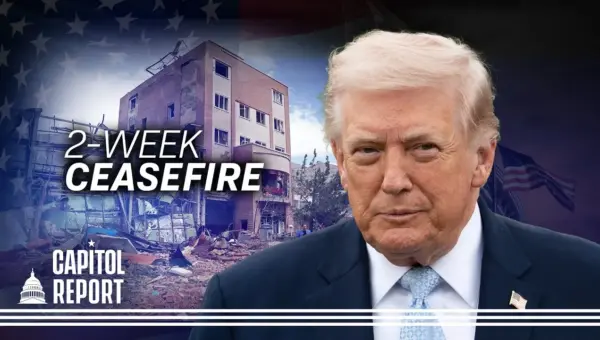
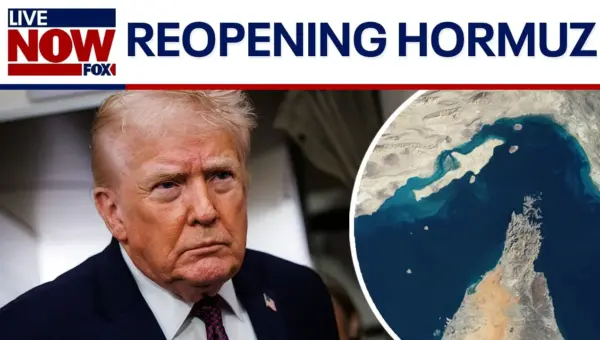
President Trump has agreed to a two-week suspension of attacks on Iran, contingent on Iran reopening the Strait of Hormuz. This move comes as the U.S. reports progress on a peace proposal and highlights the Iranian people's desire for freedom.
US, Iran Agree to 2-Week Ceasefire Centered on Strait of Hormuz
The U.S. and Iran have agreed to a two-week ceasefire, brokered by Pakistan, focusing on reopening the Strait of Hormuz. While a significant development, the deal's terms are complex and its fragility is a major concern due to the numerous actors involved.