GOP Faces Key Defense Spending Vote
Republicans are pushing for a $200 billion defense spending bill, considering the budget reconciliation process to overcome expected Democratic opposition. The debate also touches on Iran's nuclear threat, election integrity, and immigration policy. The use of reconciliation for non-traditional fiscal items is a key focus.

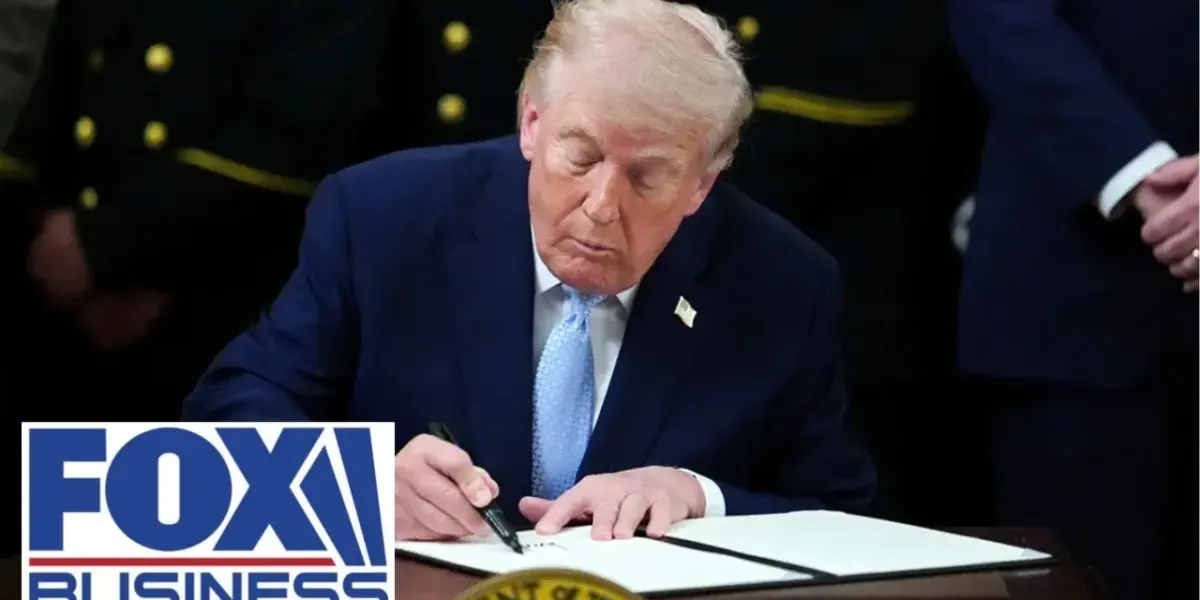
GOP Faces Crucial Vote on $200 Billion Defense Spending Bill
The Republican party is facing a critical decision regarding a $200 billion request for military appropriations, a move that is expected to draw significant opposition from Democrats. The debate centers on how to pass this essential funding, with a growing call within the GOP to explore the budget process known as reconciliation.
Reconciliation: A Potential Pathway for Funding
Currently, passing the defense bill with the required 60 votes in the Senate seems unlikely. Senator John Fetterman is mentioned as a potential Democratic ally, but the party may even lose some Republican support. This situation leads many, including Speaker Mike Johnson, to consider reconciliation as the most viable option.
Reconciliation is a special process in the U.S. Senate that allows certain budget-related bills to pass with a simple majority vote (50 votes plus the Vice President’s tie-breaker), bypassing the need for 60 votes to end a filibuster. Traditionally, this process is used for budgetary matters, but its application has been broadened over time.
The Iran Nuclear Threat and Defense Needs
A significant portion of the discussion revolves around the threat posed by Iran’s nuclear ambitions. For decades, both Democratic and Republican administrations have viewed Iran as a state sponsor of terrorism and a nuclear threat. However, despite acknowledging the danger, past presidents have not taken substantial action. Donald Trump’s administration, however, is seen by some as actively addressing this issue. The $200 billion request is framed as necessary to complete military missions and maintain U.S. military strength, particularly in light of Iran’s capabilities, including advanced drones and sea mines.
Election Year Politics and Congressional Inaction
There’s a prevailing sentiment that in an election year, Congress typically achieves very little. This year, however, some argue that accomplishing anything significant is the biggest hurdle. The opposition from Democrats is largely seen as driven by a desire to prevent Donald Trump from achieving a victory, rather than by substantive policy disagreements.
Expanding Reconciliation: Voting Rights and Border Security
Beyond defense spending, the concept of reconciliation is being discussed for other key issues, including voting rights and border security. The argument is that enforcing new voting rights rules, such as requiring photo ID or verifying citizenship, will require significant funding. Similarly, securing the border is presented as a costly endeavor. Proponents suggest these items could be included in a reconciliation bill, redefining the scope of what can be considered a fiscal package.
This broader application of reconciliation is met with some resistance, as certain senators believe these issues are not strictly fiscal. However, advocates point to past instances where border security measures were included in such packages, suggesting a precedent for creative use of the process. The goal is to pass measures like the “Saving America Act” to ensure election integrity.
Immigration Policy and Public Perception
The conversation also touched upon immigration policy, specifically regarding mass deportations. Some reports suggest a potential shift in rhetoric, with a focus on deporting “criminals” rather than using broader terms. This is seen by some as an attempt to soften the image of immigration policies, especially in light of polling data. However, the underlying sentiment remains that illegal immigration, particularly by those who have lied to enter the system, is unacceptable to many Americans.
What Investors Should Know
The push for a $200 billion defense spending bill, potentially using the reconciliation process, highlights significant political maneuvering ahead of an election. Investors should monitor how these funding debates unfold, as they can impact defense sector stocks and overall government spending priorities. The debate over reconciliation also signals a potential expansion of its use, which could have broader implications for future legislative battles.
Furthermore, the ongoing discussions about border security and immigration reflect persistent policy challenges that could influence economic conditions and specific industries. The focus on election integrity measures also points to potential future regulatory changes in how elections are conducted and funded.
Source: Larry Kudlow: This is a debate that the GOP cannot lose (YouTube)

Related Articles


Gulf States Demand Seat at Table on Iran’s Nuclear Future
Gulf states are demanding a seat at the table for any U.S.-Iran talks regarding Iran's nuclear future. This move reflects a growing assertiveness and a desire to shape regional security directly. It signals a potential shift towards more inclusive diplomatic efforts in the Middle East.


Voter ID: Common Sense or Suppression?
A growing debate surrounds voter ID laws, with proponents calling them a common-sense measure against fraud and opponents fearing voter suppression. Many countries and U.S. states already require ID to vote.


CPAC Crowd’s Boos Reveal GOP’s Deep Divide
A moment at CPAC where the crowd booed impeachment hearings reveals deep divisions within the Republican party. Younger supporters are concerned the GOP base is crumbling due to issues like the Iran war, gas prices, and other controversies.