GOP Eyes Healthcare Cuts For War Funding
A proposal to cut healthcare for hundreds of thousands of Americans to fund potential military action in Iran has drawn sharp criticism. The White House response to questions about the plan has been called a "non-answer," suggesting the option remains on the table. This raises concerns about national priorities and who should bear the cost of war.


GOP Eyes Healthcare Cuts For War Funding
A recent proposal from Republican leaders has sparked serious concern. Representative Jody Arrington, who leads the House Budget Committee, suggested a plan. This plan could remove health coverage from hundreds of thousands of Americans. The idea is to use that money to fund potential military actions in Iran.
This idea, when it became public, took some time for reporters to question. Six days later, they asked White House Press Secretary Karine Jean-Pierre about it. They wanted to know if the White House was really thinking about cutting money from programs that help people. They specifically asked if safety net programs were being considered to pay for a possible military operation in the Middle East.
Jean-Pierre’s response was careful. She said she hadn’t heard of such discussions happening in the White House. However, the person sharing this information felt this wasn’t a strong enough answer. They argued the clear answer should have been a firm “no.” The expectation was a direct denial, stating that low-income people would not lose their health insurance to pay for military actions.
A Non-Answer Is Still an Answer
The analyst in the video believes that a press secretary’s role is to be well-informed. They are expected to know what’s being discussed, especially on important issues affecting citizens. If a plan is not going forward, a press secretary should reassure the public. Not giving a direct “no” when asked about cutting healthcare for vulnerable people suggests the option is still on the table. This careful wording, or “non-answer,” is seen as a confirmation that all possibilities are being considered.
The argument is that even with a massive defense budget, estimated at a trillion dollars annually, and despite the Pentagon not passing an audit for over a decade, there’s still a push to fund military actions. This push, according to the critique, comes at the expense of essential services for lower-income Americans. It raises questions about priorities when people’s access to healthcare could be jeopardized.
Who Should Pay?
The video proposes an alternative source for war funding. It suggests looking to wealthy individuals and major donors who supported the political leaders behind these ideas. Instead of cutting social programs, the suggestion is to tap into the wealth of those who may benefit from or have pushed for such policies. This is framed as a way to make those who want these actions pay for them directly.
The core of the critique is about fairness and priorities. It questions why social safety nets, which support vulnerable populations, would be considered for cuts. Meanwhile, defense spending is already substantial, and the financial contributions of the wealthy are presented as a more equitable alternative for funding military endeavors. The implication is that if certain groups advocate for war, they should also bear the financial responsibility.
Why This Matters
This situation highlights a recurring tension in national budgeting: how to balance defense spending with social welfare programs. Decisions made about funding can have direct, life-altering consequences for citizens. For hundreds of thousands of low-income individuals, losing health insurance means losing access to essential medical care. This can lead to worse health outcomes and increased financial hardship.
The debate also touches on accountability and transparency in government. The way information is communicated by officials, like the White House Press Secretary, can shape public perception and understanding. When answers are vague on critical issues, it can breed distrust and anxiety. It raises questions about who benefits from these budget decisions and who bears the burden.
Looking Ahead
The discussion around funding military actions often involves complex negotiations between different branches of government and political parties. Proposals to cut social programs for defense spending are not new, but they always spark significant debate. The future will likely see continued scrutiny of budget proposals that could impact social safety nets.
As technology advances and global situations evolve, the demands on national budgets will continue to change. It will be crucial for citizens and policymakers to consider the full impact of budget decisions. Ensuring that essential services remain accessible while addressing national security needs requires careful planning and open dialogue. The conversation about where taxpayer money goes, especially when it involves cutting help for those who need it most, will remain a key issue.
The core of the critique is about fairness and priorities. It questions why social safety nets, which support vulnerable populations, would be considered for cuts.
Source: GOP Considers Cutting Healthcare To Fund War (YouTube)

Related Articles


Trump Funds DHS Amid Shutdown Stalemate
President Trump has ordered payments for all Department of Homeland Security employees amid a 50-day government shutdown. The move bypasses Congress, citing national security concerns. Meanwhile, a proposed budget signals a major increase in defense spending.

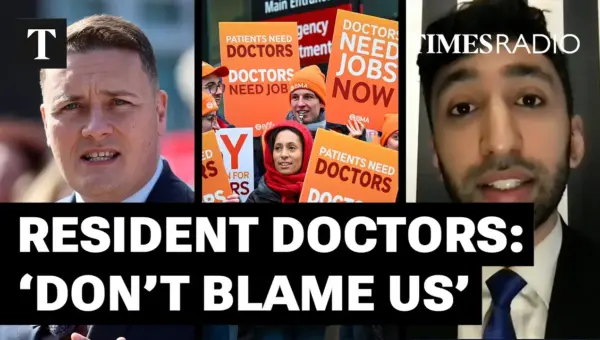
Doctors Strike Again: Pay Dispute Threatens NHS Services
Resident doctors are launching a six-day strike next week, marking their 16th walkout since March 2023, as a pay dispute with the government remains unresolved. Doctors are demanding their salaries be restored to 2008 levels, arguing that the NHS is critically understaffed and underfunded. The NHS is preparing for potential monthly strikes throughout the year.


Congress Eyes Budget Deal, Birthright Citizenship Debate Heats Up
Congress is exploring a budget deal using reconciliation to fund parts of Homeland Security, while a debate intensifies over the exploitation of birthright citizenship. Meanwhile, renewed focus on space exploration and military objectives signals a shift in national priorities.