GOP Eyes 95% Deal on Border Funding, Eyes Future Bills
Republicans are optimistic about a deal to fund the Department of Homeland Security, aiming for 95% of their goals. Disagreements persist over ICE agent safety and administrative warrants. A reconciliation bill is being considered for future funding and election integrity measures.

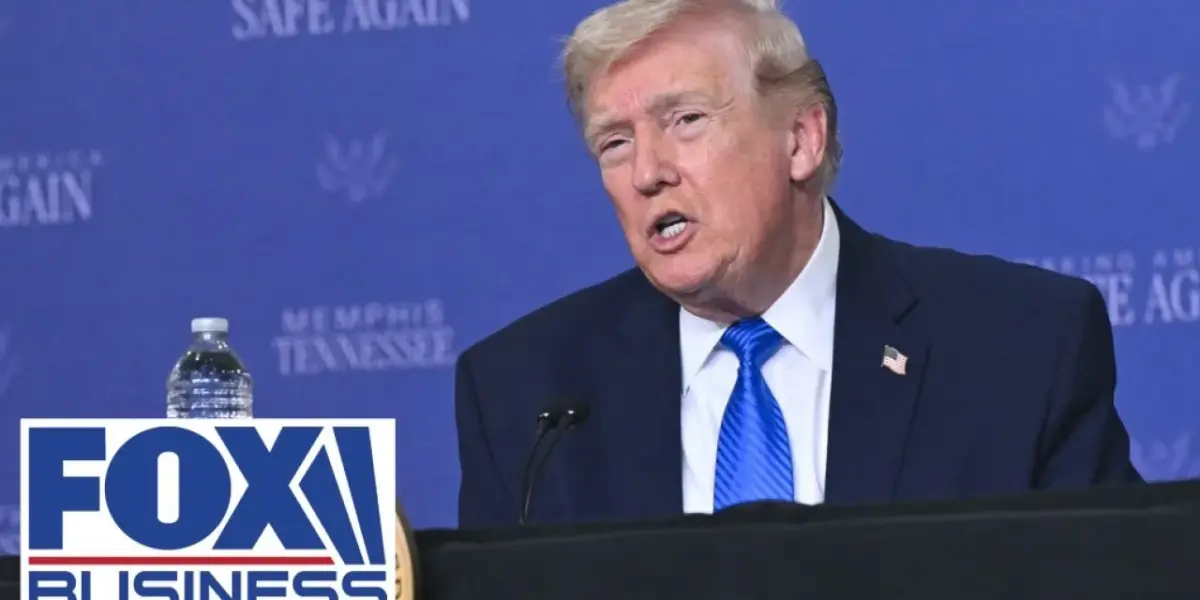
GOP Aims for Border Security Funding Breakthrough
Republicans in the Senate are expressing optimism about a potential deal to fund the Department of Homeland Security (DHS), aiming to secure what they describe as 95% of their priorities. Senator Roger Marshall, a member of the Senate Finance and Budget Committees, indicated that a deal could be reached soon. He stated, “I do, keep that train moving.” He recalled advice from President Reagan to his mentor, Bob Dole: “If we get 80% of what we want, take it.” Marshall believes the current proposal offers nearly all of their objectives.
Democrats have previously stated they would fund all aspects of government except for Immigration and Customs Enforcement (ICE). Republicans claim they have already pre-funded ICE and could use a future reconciliation bill to fund it for another decade. The goal is to pass the “Save America Act” through this legislative process, which aims to improve election integrity. Marshall believes this plan “has legs” and may only require support from a handful of Democrats to pass.
Disagreements on Key Concessions
Discussions, however, have hit snags regarding specific demands. Senate Minority Leader Chuck Schumer reportedly sought additional concessions. Senator John Kennedy highlighted concerns that Democrats want to “unmask our ICE agents” and alter administrative warrants. Republicans argue these warrants are functioning correctly and have undergone judicial review. They are unwilling to jeopardize the safety and security of their agents and their families by revealing their identities.
Republicans are questioning the Democrats’ current stance, noting that they initially said they would fund everything but ICE. Now, as concessions are being made, Democrats appear to be hesitating. Republicans are drawing a parallel to the “defund the police” movement, suggesting this label will be associated with Schumer. The initial plan aimed to tie DHS funding to the Save America Act, but this approach seems to be separating.
Reconciliation Bill: A Path Forward?
Senator Marshall emphasized his disbelief that ten Democrats would not support voter identification measures. While he doesn’t see voter ID directly impacting the economy, he believes funds could be allocated to clean up voter rolls and enhance election security. The overarching goal, he stressed, is to ensure “safe and secure elections, that is the bedrock of democracy.”
Earlier discussions, as mentioned by Larry Kudlow, involved potentially bundling the Save America Act, voting rights, DHS funding, and a supplemental Pentagon funding package for Iran into a single reconciliation bill. However, this comprehensive approach does not appear to be on the table. Marshall indicated that such a broad package might not pass parliamentary procedures.
Military Funding and Procedural Hurdles
While more funding for the military is worth considering, passing such measures requires broad consensus. For a bill to pass the House, nearly every Republican would need to vote for it. In the Senate, at least 53 votes would be necessary. The key question remains how incorporating military funding would affect the vote count – would it increase or decrease support?
The Senate Budget Committee has been discussing these issues, with Senator Lindsey Graham leading the efforts. The committee is working to determine the best path forward. The current deal on DHS funding appears to be similar to proposals discussed weeks ago, raising questions about why it took so long to reach this point.
Questions on Negotiation Delays
A valid question arises: why did it take four weeks to reach a deal that seems to echo earlier proposals? Senator Marshall acknowledged this concern, stating that Democrats refused to negotiate or meet for over 30 days. He claims that any negotiations during that period were conducted through the press, focusing on reforms to ICE. He reiterated that Democrats had stated they would fund everything but ICE.
Marshall urged Democrats to “put their money where their mouth is,” placing the blame for delays squarely on them. He anticipates that legacy media outlets will spin the narrative. He expressed gratitude for the TSA workers who have been diligently performing their duties and deserve to be paid. The core objective remains ensuring border safety, especially with an estimated 50 million non-citizens currently in the country. Securing the ICE agency is seen as crucial to this mission.
Debate Over Airport Security and Privatization
One perspective suggests that Democrats operate out of fear, which they equate with control and power, ultimately putting American safety at risk. A proposal was raised to privatize airport security to ensure continuous operation, preventing shutdowns at the whim of any political party. This idea aims to make security measures immune from such disruptions.
While acknowledging the importance of airport security and the TSA, the focus remains on achieving DHS funding and ensuring TSA workers are paid. The long-term plan for funding ICE will continue to be a subject of discussion. The idea of privatization for airport security was met with interest, suggesting it warrants further exploration.
Source: 'LET'S KEEP THIS TRAIN MOVING': GOP hopes to pass SAVE America Act (YouTube)

Related Articles

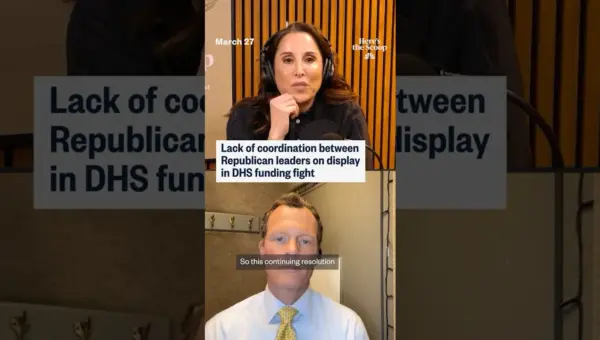
GOP Leaders Clash Over DHS Funding, Exposing Deep Divisions
Republican leaders are struggling to find common ground on Department of Homeland Security funding, exposing deep divisions within the party. A proposed House resolution faces an uphill battle due to Senate recess and internal GOP dissent. Speaker Mike Johnson appears to be prioritizing appeasing a conservative faction over seeking broader bipartisan support.
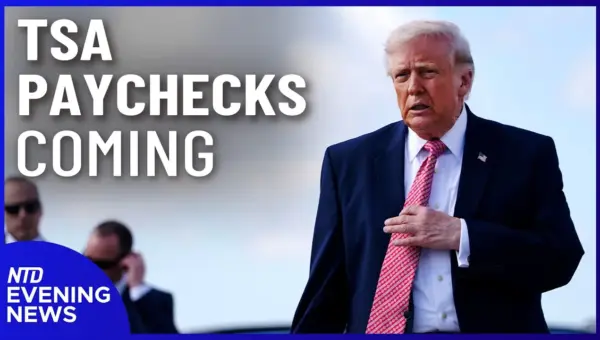
Government Shutdown Sparks TSA Pay Chaos; Woods Arrested
The government shutdown caused major disruptions, leading to TSA agents working without pay and President Trump signing an order to ensure their compensation. Meanwhile, golf icon Tiger Woods was arrested following a car crash in Florida. The news cycle also covered US operations in Iran, support for American farmers, political discussions at CPAC, election record disputes, and lawsuits against social media companies for their impact on students.


House Republicans Block DHS Funding Bill; Iran Faces War Fears
House Republicans have rejected a Senate-passed bill to fund the Department of Homeland Security, leaving thousands of TSA workers unpaid and deepening a political standoff. Meanwhile, in Iran, citizens face escalating conflict amidst fear, an internet blackout, and growing internal divisions, though glimmers of hope persist.