GOP Exodus Signals Deep Anxiety Amidst Trump’s Political Storm
An accelerating wave of Republican departures from Congress and shifts in party affiliation signal deep-seated anxiety within the GOP. This exodus, linked to Trump's leadership and economic concerns, suggests potential electoral challenges ahead.

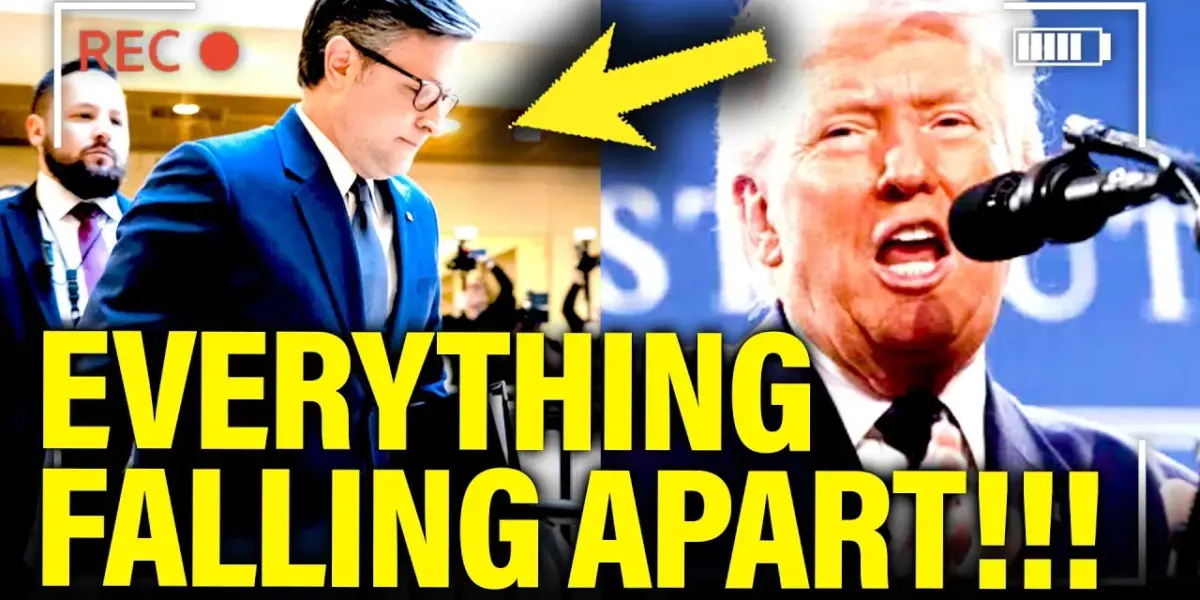
GOP Exodus Signals Deep Anxiety Amidst Trump’s Political Storm
A palpable sense of unease appears to be rippling through the Republican Party, as evidenced by an accelerating wave of departures from Congress and a significant shift in party affiliation. This exodus, far outpacing that of their Democratic counterparts, suggests a deeper malaise within the GOP, one that is increasingly being linked to the party’s current leadership and its policy directions, particularly concerning foreign entanglements and economic stability.
A Groundswell of Departures
The most striking indicator of this internal turmoil is the sheer number of Republican lawmakers opting not to seek re-election. Reports suggest that over 30 GOP members are stepping aside ahead of the 2026 midterms. This trend is not isolated; it includes prominent figures like Representative Darrell Issa of California, who, after more than two decades on Capitol Hill, announced he would not run again, signaling a desire for a “new chapter.”
This phenomenon is rarely accidental. When a substantial number of incumbents, particularly those with long tenures, choose to leave, it often points to a strategic decision driven by perceived electoral challenges or a loss of faith in the party’s trajectory. The departure of Issa, for instance, occurred as County Supervisor Jim Desmond switched his candidacy to a newly redrawn district, highlighting the complex political maneuvering occurring as incumbents assess their chances.
Echoes of Past Political Shifts
The current situation draws parallels to the 2017-2018 election cycle, a period marked by significant Democratic outperformance in special elections, which ultimately foreshadowed substantial gains for the party in the midterms. Analysts note that Democrats are currently performing, on average, 12 points better than Kamala Harris did in 2024 in comparable special elections. This trend, particularly pronounced in federal special elections where the margin is even larger, suggests a potential for a significant swing in the upcoming general elections.
The recent special election defeats for Republicans in Pennsylvania and Texas, where a Democrat flipped a district that President Trump had won by a considerable margin, have sounded alarm bells. Even with significant financial investment, the outcomes underscore a challenging political environment for the GOP. As Senator Rand Paul alluded, factors like high oil prices and ongoing military actions could exacerbate these electoral difficulties.
The Trump Factor and Independent Disconnect
A significant undercurrent driving these departures and electoral concerns is the figure of Donald Trump. His perceived unpopularity, especially among independent voters, is cited as a critical factor. Polls indicate a staggering drop in Trump’s approval among this crucial demographic, from minus 13 points a year ago to a concerning minus 47 points currently. This deep disconnect with independents, who are increasingly leaning Democratic, is seen as a major liability for the Republican Party.
The shift of some Republicans to an independent status, such as California Congressman Kevin Kiley, further complicates the GOP’s standing. While framed as a desire for an independent voice, such moves reduce the party’s numerical strength in Congress and underscore a broader anxiety about the party’s direction under the influence of the MAGA faction. Reports from within the party suggest morale is at an “all-time low,” with lawmakers expressing frustration with the Trump White House.
Economic Anxieties and Foreign Policy Fallout
The economic landscape is another critical pressure point. Soaring gas prices, directly linked to the “war in Iran” and its impact on global oil markets, are adding to the economic anxiety felt by Americans. The disruption in the Strait of Hormuz has led to a nearly 50-cent surge in U.S. gas prices in a single week, directly impacting household budgets and public sentiment. This economic strain, coupled with concerns about jobs reports, creates a difficult environment for the incumbent party.
The narrative surrounding the conflict in Iran also raises questions about the wisdom of the administration’s foreign policy. Critics point to the potential for casualties and the lack of a clear strategy for Iranian self-determination, questioning the effectiveness and ethical implications of kinetic actions. The disconnect between the administration’s rhetoric and the on-the-ground reality is becoming increasingly apparent.
Why This Matters
The current wave of Republican departures and the concerning polling data, particularly among independents, are not mere statistical anomalies. They represent a significant electoral warning sign for the GOP. The party’s ability to control the House is already precarious, with razor-thin margins. A continued exodus of incumbents and a widening gap with independent voters could lead to substantial losses in the upcoming midterms.
The implications extend beyond electoral outcomes. If Republicans fail to maintain control of the House, the party’s ability to advance its agenda will be severely curtailed. For Donald Trump, the prospect of losing congressional majorities could mean less freedom to pursue policies like new tariffs or engage in foreign conflicts without significant congressional oversight. The potential for him to seek the presidency again, potentially disregarding constitutional norms, makes the outcome of these elections particularly consequential.
Future Outlook
The Republican Party faces a critical juncture. The current trends suggest a period of introspection and potential realignment may be necessary. The party must grapple with its internal divisions, its appeal to independent voters, and the economic anxieties of the electorate. The upcoming midterms will likely serve as a significant referendum on the party’s current course.
For Donald Trump, navigating this challenging landscape will require more than just rallying his base. He needs to address the concerns of a broader electorate, particularly independents, and demonstrate tangible improvements in the economy. The coming months will reveal whether the GOP can weather this storm of departures and political headwinds, or if the current anxieties will translate into a significant electoral reckoning.
Source: 🚨Trump PANICS as MORE GOP Reps ABRUPTLY QUIT! (YouTube)

Related Articles


Trump’s Legal Battles Ignite: A Nation on Edge
A live update on March 10, 2026, details a complex web of legal and political crises surrounding Donald Trump, including Iran War developments, the Epstein scandal, election integrity threats, and judicial challenges. The analysis explores the profound implications for American democracy and the rule of law.

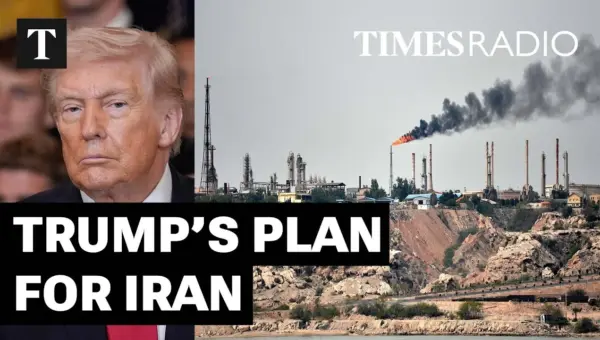
Trump Eyes Iran’s Oil Lifeline: Kharg Island Strategy Revealed
Geopolitical analyst Ian Bremmer discusses the potential U.S. strategy of controlling Iran's vital Kharg Island, which handles 80-90% of the nation's oil exports. This move, potentially aimed at crippling Iran's finances, carries significant risks and has a history linked to President Trump's long-standing views on the region.

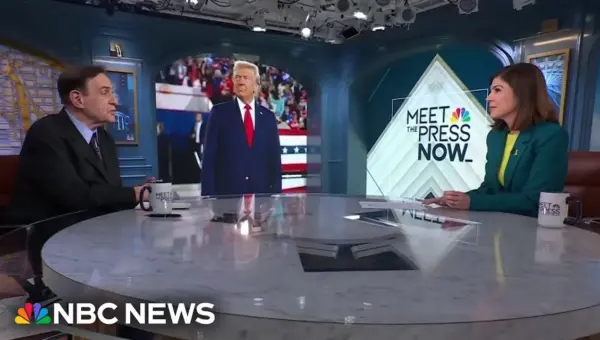
Trump ‘Shopping Messages’ on Iran War, Says Yale Expert
Yale scholar Jeffrey Sonnenfeld reveals that Donald Trump is 'shopping messages' regarding a potential conflict with Iran, testing different narratives to see what gains traction. Sonnenfeld draws parallels to the 'sleeper effect,' where repeated falsehoods, delivered confidently, can become accepted as truth.