GOP Divided: Trump’s Iran Stance Sparks Midterm Fears
Democratic leaders are increasingly challenging President Trump's foreign policy, particularly his approach to Iran. Concerns over escalating tensions and potential war crimes rhetoric are fueling a split within the GOP, as Senate Democrats prepare to force a vote on war powers. The rapid opposition mirrors past conflicts, with many drawing parallels to the Iraq War.

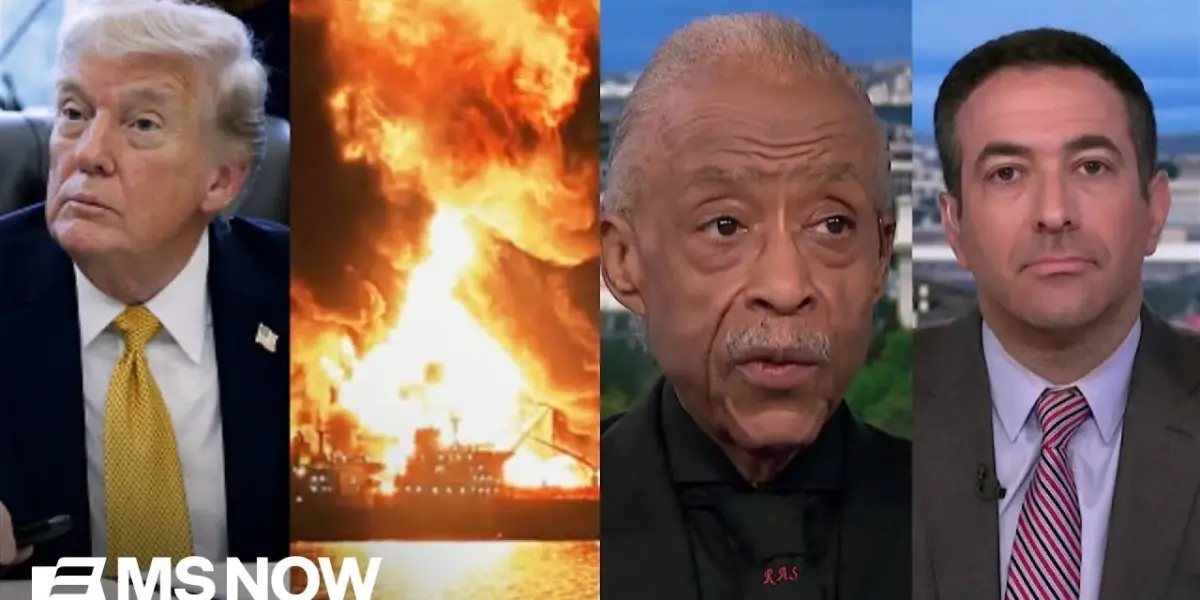
Democrats Challenge Trump’s Iran Policy Amid Growing GOP Split
Democratic leaders are openly challenging President Trump’s foreign policy decisions, particularly concerning Iran, sparking a notable division within the Republican party. The strong stance comes as Democrats gather for events like Reverend Al Sharpton’s National Action Network conference, where key figures are voicing concerns about the direction of U.S. military engagement and the President’s rhetoric.
Jeffries Leads Charge Against Escalation
House Minority Leader Hakeem Jeffries, speaking at the National Action Network conference, criticized the Trump administration’s actions, stating that the current conflict was a “war that was selected, not something that had to happen.” He emphasized a lack of clear reasoning for the U.S. presence and the shifting deadlines, urging Democrats to “stand up aggressively and fight the normalizing of this.” Jeffries argued that tolerating a president who “openly flirts with war crimes” is unacceptable in American history. He also pointed to the President’s willingness to dismiss officials who do not comply with his wishes, regardless of legality.
“We are at a point in American history where we are dealing with how we deal with the presidency and preserve the integrity of the presidency itself.”
Unprecedented Opposition to Military Action
The speed and intensity of public opposition to potential military action are unprecedented in modern American history. Unlike the Vietnam and Iraq wars, which saw significant public dissent emerge over years, current opposition to U.S. involvement in Iran has materialized much faster. This rapid shift is partly attributed to public memory of past conflicts, particularly the Iraq War. Many recall the justifications used for the Iraq invasion, such as the search for weapons of mass destruction, which proved to be false. This historical parallel, coupled with a lack of clear evidence of imminent danger from Iran, is fueling widespread skepticism and opposition.
Senate Democrats Force War Powers Vote
Senate Democrats plan to force a vote on a war powers resolution next week, aiming to limit the President’s ability to engage in military action without congressional approval. Jeffries expressed optimism that a few Republican House members could be persuaded to join Democrats, potentially leading to a bipartisan effort to constrain presidential war-making powers. This move signals a significant push to rein in President Trump’s authority on foreign policy matters, highlighting a growing bipartisan concern over executive overreach in military affairs.
Voter Suppression Concerns Rise
Beyond foreign policy, the conference also addressed domestic political concerns, including allegations of voter suppression. Speakers highlighted fears that the administration might use federal agencies like ICE and CBP to intimidate voters and discourage participation. These tactics are described as “political redlining” and “the oldest tricks in the books,” aimed at making people feel unsafe or discouraged from voting. Democrats are urging voters to turn out with purpose to counter these efforts.
Looking Ahead: Leadership and Policy
The National Action Network conference also served as a platform for potential future leaders. Speakers like West Moore and Josh Shapiro were noted for their strong policy positions and ability to connect with audiences. The focus is on identifying candidates who can not only perform but also govern effectively, demonstrating a blend of passion and sober decision-making. As the 2024 election cycle approaches, Democrats are looking for individuals who can resonate with voters on policy issues and mobilize turnout, especially in contrast to the current presidency, which is seen by many as lacking in governance.
The coming weeks will be crucial as Senate Democrats push for their war powers vote. The outcome could signal a significant shift in congressional power over foreign policy. Furthermore, the ongoing debate over military intervention and the administration’s approach to international relations will likely continue to shape the political landscape and influence voter sentiment leading up to the midterms.
Source: Trump Iran failures drive GOP split: Ari & Rev on 47's ‘Warmonger’ Midterm fear (YouTube)

Related Articles


Netanyahu Pushed for Iran Attack; Only Trump Said Yes
John Kerry confirmed that Israeli Prime Minister Benjamin Netanyahu proposed attacking Iran to multiple U.S. presidents. While Barack Obama, George W. Bush, and Joe Biden refused, Donald Trump was the only one who agreed to the plan. This highlights significant differences in foreign policy approaches among U.S. leaders regarding Iran.
Oil Prices Hold Steady Amid Iran Tensions, Inflation Eases
Oil prices remain below $100 a barrel despite rising tensions with Iran, as inflation shows signs of cooling. While diplomatic talks face significant hurdles, Saudi Arabia's pipeline capacity and falling food prices offer some economic stability. Investors remain cautious, weighing geopolitical risks against easing price pressures.

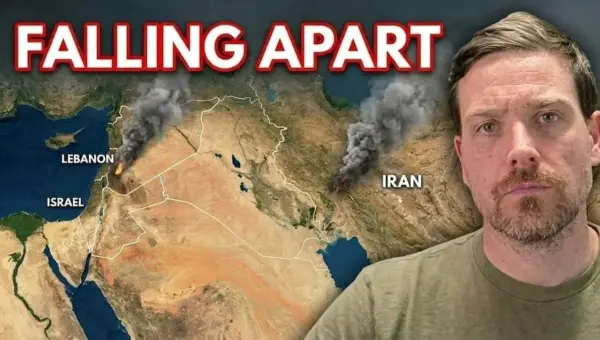
Iran Talks Crumble: Ceasefire Unravels Amidst Standoff
Talks between the U.S. and Iran are on the brink of collapse as preconditions remain unmet and fighting continues. Iran is demanding the release of blocked assets and a full ceasefire before negotiations can begin, while both sides appear to be preparing for renewed hostilities rather than de-escalation.