GOP Divided: Iran Policy Sparks Shutdown Fight
A divide within the Republican party over Iran policy is contributing to a government shutdown and affecting government workers. Congressman Tim Burchett discussed these issues, highlighting calls for pressure on Iran while cautioning against direct U.S. ground conflict. The shutdown also underscores Washington's ongoing gridlock.

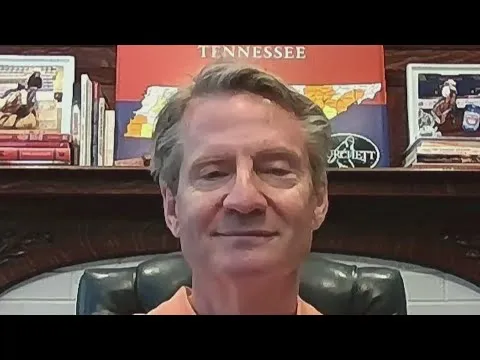
GOP Divided: Iran Policy Sparks Shutdown Fight
A deep split within the Republican party is emerging over how to handle Iran, creating a political headache that is contributing to a partial government shutdown. This disagreement is not just about foreign policy; it’s also affecting government workers who are not getting paid. Congressman Tim Burchett of Tennessee, a member of the House Foreign Affairs Committee, discussed these issues on NewsNation Live.
Iran Policy Divides Republicans
The debate over Iran policy has become a significant point of contention. Reza Pahlavi, the exiled heir to Iran’s former monarchy, spoke at CPAC, a conservative political conference. He believes that freedom is close for Iran and urged the U.S. to maintain pressure on the current Iranian government. Pahlavi stated, “A free Iran is not a time to see. If Iran is within reach right now.” He asked the U.S. to “stay the course” and not give the “crumbling regime” a lifeline. This means letting the Iranian people “finish the job” of creating a free country.
Congressman Burchett agrees that there’s a chance for a free Iran. However, he stressed that the people of Iran must be the ones to make it happen. “We’re limited,” he explained, suggesting that a large ground conflict between the U.S. and Iran is unlikely. Many Republicans and all Democrats would not support such a war. Burchett believes there is space for diplomacy but doesn’t think now is the time for direct military action.
However, a Washington Post report suggested the Pentagon was preparing for possible weeks of ground operations involving American troops in Iran. This news caused concern. Karoline Leavitt, a spokesperson, stated these were just “options” and the President had not made a decision. Burchett indicated that sending U.S. troops might cross a “red line” for some Republicans, though he doesn’t think the situation has reached that point yet. He believes encouraging Middle Eastern partners to take the lead in any engagement is crucial.
Burchett noted a clear division within the GOP on this issue. He pointed to actions like Israel being allowed to fly over Saudi airspace as a sign that Middle Eastern countries are tired of the current situation. They want their children to live wealthy lives, not die in wars. Many in the Middle East are fed up with old ways of doing things, especially concerning the treatment of women and the harsh actions of the Iranian regime, which recently killed thousands of its own people.
Government Shutdown Highlights Washington Gridlock
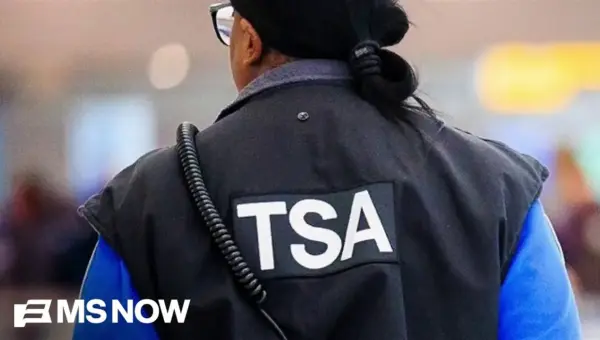
The disagreement over Iran policy is happening at a time when Washington is struggling with a partial government shutdown. This shutdown is affecting government workers, including those at the TSA. Burchett spoke with a TSA worker who was not being paid during the Easter holiday weekend. The worker expressed frustration, saying, “You guys entirely have that power and control. Stop it. I don’t understand why you continue doing this.” She felt both parties were equally at fault and that politicians were fighting while essential workers suffered.
Burchett apologized for the situation, calling it “disgusting.” He contrasted the current gridlock with actions taken by former President Trump, who he said showed “true leadership” by using executive orders when Congress couldn’t agree. Burchett criticized Senate Majority Leader Chuck Schumer for allegedly making a “dirty deal in the middle of the night” that led to the shutdown, rather than bringing issues to the floor for a vote.
To address government waste and abuse, Burchett is co-sponsoring a new bill with a Democrat. This bill aims to track government spending in all 50 states, showing where money is going and who is receiving it. Burchett sees this as a positive step towards bipartisan cooperation. “Gridlock in Washington is one of the things that drive the American people absolutely bonkers,” he said. Seeing Republicans and Democrats work together on this issue is a welcome change.
Rubio’s Rise and Future Leadership
The discussion also touched on political aspirations within the Republican party. At CPAC, Senator JD Vance won a straw poll for the second year. However, Secretary of State Marco Rubio gained significant ground, rising from 3% to 35% in the poll. Burchett suggested Rubio is gaining popularity because he is very active and involved. He described Rubio as a “one-stop shop” and a potential “dynamic duo” partner with Vance.
Burchett sees this as a “new phase in leadership” for America. He believes that after the last two years, Republicans are now focusing on key issues and are at the forefront of important discussions. He feels that figures like Vance are taking charge of addressing problems like fraud.
Global Impact
The divisions within the GOP on Iran policy reflect broader debates about America’s role in the Middle East. While some advocate for strong pressure and potential intervention, others prioritize regional partnerships and diplomatic solutions. The ongoing government shutdown, fueled in part by these disagreements, highlights the challenges of effective governance in Washington. This paralysis can weaken America’s standing on the global stage and impact its ability to respond to international crises. The focus on internal political battles distracts from crucial foreign policy decisions and undermines public trust.
Historical Context
The call for a “free Iran” echoes historical aspirations for democratic change in the country. The current U.S. policy of applying pressure on Iran, often through sanctions, has been a consistent theme in U.S.-Iran relations since the 1979 revolution. However, the specific debate about ground troop involvement brings back memories of previous U.S. military engagements in the Middle East, which have been met with mixed results and public opposition. The comparison of President Trump’s use of executive orders to President Obama’s actions, and the differing reactions, illustrates a recurring pattern of partisan conflict over presidential powers.
Economic Leverage
While not explicitly detailed in the transcript, the mention of “pressure” on Iran typically involves economic sanctions. These sanctions aim to cripple Iran’s economy, limiting its ability to fund military activities or pursue certain policies. The effectiveness and morality of sanctions are often debated, particularly when they impact civilian populations. The government shutdown also has economic consequences, affecting government workers and potentially disrupting services that rely on federal funding.
Future Scenarios
One scenario is that bipartisan cooperation on issues like fraud prevention could become more common, easing some of the gridlock. Another is that the GOP’s internal divisions on Iran policy could deepen, leading to further legislative challenges and potentially impacting U.S. foreign policy decisions. The ongoing shutdown also presents a risk, as prolonged inaction could weaken public confidence and create instability. The situation demands that political leaders find common ground to address both domestic and international challenges effectively.
Source: Rep. Tim Burchett discusses GOP divide on Iran and partial government shutdown | NewsNation Live (YouTube)

Related Articles

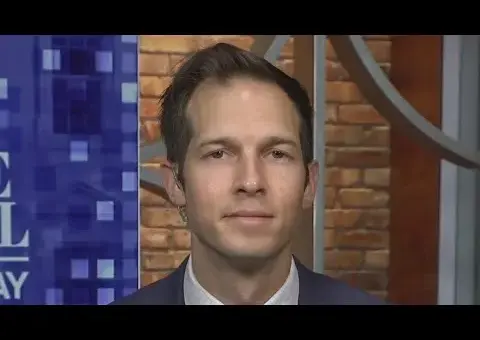
Iran War Risks US Troops, Drains Arms, Congress Warns
Congressman Jake Auchincloss warns against a U.S. ground war in Iran, citing risks of a quagmire and public opposition. He criticizes the administration's strategy and opposes a $200 billion request to replenish weapons, arguing for domestic spending instead. The debate highlights concerns over military costs and the complex challenge of securing nuclear materials.
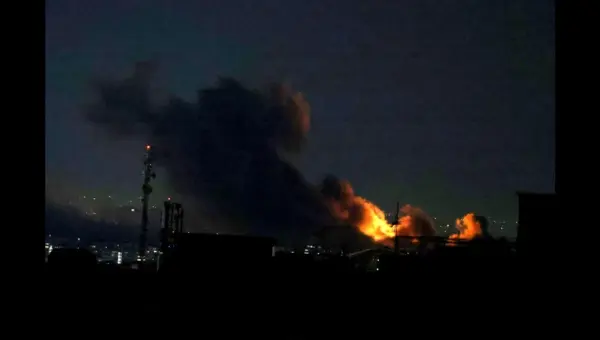
Iran Under Fire: Massive Strikes Shake Regime
Iran is facing intense military action with Israeli and US forces striking numerous targets. These actions aim to disrupt Iran's nuclear program and military capabilities, while Iran retaliates with missile launches. The conflict is drawing in proxy groups, raising fears of a wider war.

Government Shutdown Hits Record; ICE Agents Deployed at BWI Airport
The US government shutdown has become the longest in history, now spanning 44 days. ICE agents have been deployed to BWI Airport amid rising TSA call-out rates due to lack of pay. Lawmakers remain at an impasse, with no clear end in sight.