GOP Confronts ‘Fatal Blow’ Warnings: Special Election Shifts and Economic Woes Signal Looming Midterm Crisis
A series of recent special election results, coupled with a growing enthusiasm gap and widespread economic discontent, are signaling a potentially dire midterm election cycle for the Republican Party. With Democrats consistently outperforming expectations and former President Trump's economic approval plummeting among independents, the GOP faces significant challenges in maintaining its majorities.

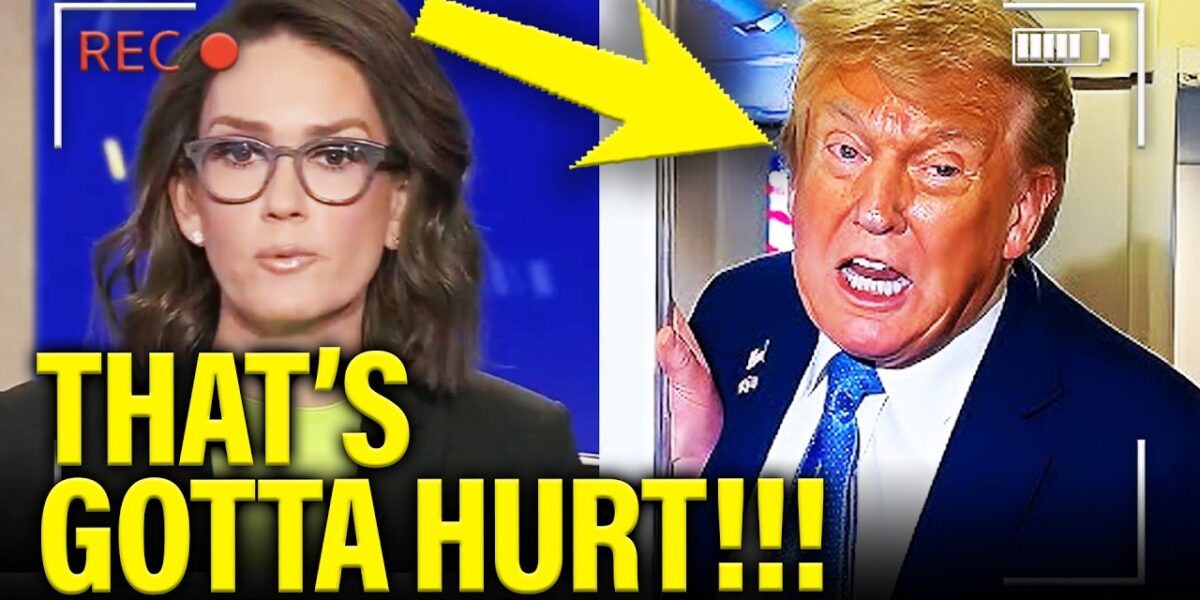
GOP Confronts ‘Fatal Blow’ Warnings: Special Election Shifts and Economic Woes Signal Looming Midterm Crisis
As the United States approaches a critical midterm election cycle, the Republican Party finds itself grappling with a series of unsettling indicators that suggest a challenging path ahead. Recent special election results, coupled with concerning shifts in national polling and persistent economic anxieties among the populace, are painting a grim picture for GOP prospects. What some political observers are calling a potential "fatal blow" to Republican ambitions, these trends are prompting introspective alarm within the party, even reaching the airwaves of conservative media outlets.
A recent congressional vote preference poll, conducted at the end of January, revealed Democratic candidates holding a six-point lead over their Republican counterparts, 52% to 46% among all voters. While acknowledging a "long way to go," commentators noted that such a number "would not be good for the majority." This initial snapshot, however, only scratches the surface of a deeper, more systemic challenge confronting the GOP.
The Alarming Bellwether of Special Elections: A Shifting Political Landscape
One of the most potent indicators of a shifting political tide comes from a series of special elections held across the nation. These contests, often overlooked by the broader public, serve as crucial bellwethers, offering real-time insights into voter sentiment, enthusiasm, and partisan leanings between major federal election cycles. The data emerging from these races is unequivocally concerning for Republicans, suggesting a significant enthusiasm gap favoring Democrats.
Recent reporting, including insights from Axios, highlights growing GOP concern over voter turnout and performance in these early special elections. Democrats have consistently outperformed their 2024 baseline numbers by double-digit margins in dozens of state races, a trend that could very well translate into November’s broader electoral landscape. Specifically, Democratic candidates have, on average, beaten their 2024 baseline by 10.5 points in 20 state legislative contests this year. The trend was even more pronounced last year, with an average outperformance of 13.9 points across more than 60 races tracked by "The Down Ballot."
The Texas 9 Shockwave: A 31-Point Swing
Perhaps the most striking example of this electoral shift occurred in Texas’s 9th Senate District special election. This district, which Donald Trump carried by a substantial 17 points in 2024, witnessed a dramatic reversal. The Democratic candidate not only won the special election but did so by a remarkable 14 points. This represents an astonishing over 30-point shift to the left, a political earthquake that reverberated through state and national political circles. As one commentator starkly put it, "it didn’t just swing to the left. It took a rocket ship to the left."
The magnitude of this shift cannot be overstated. When a district that was reliably pro-Trump just two years prior flips so decisively, it signals a profound change in voter behavior and engagement. Attempts to downplay such results, as some Republicans including Governor Ron DeSantis initially suggested by labeling special elections as "quirky," are being met with increasing skepticism from within the party. Even Congressman Pete Sessions from Texas, a Republican, reportedly expressed disbelief, stating that "no Democrat should ever win in North Texas like this." While an "ice storm" was jokingly offered as an explanation, the 31-point swing far surpasses any minor logistical impediment, underscoring a deeper, more structural issue.
A Pattern, Not an Anomaly: Beyond Texas 9
The Texas 9 result is not an isolated incident but rather part of a broader, troubling pattern for the GOP. Across the average 2025-2026 special elections, Democrats are performing an average of 12 points better than Kamala Harris did in 2024. In federal special elections, this outperformance climbs even higher, averaging north of 15 points. This sustained overperformance draws stark historical parallels to the 2017-2018 cycle, where Democrats consistently outperformed Hillary Clinton’s 2016 numbers, ultimately forecasting a net gain of 40 seats for the party in the subsequent midterm elections.
The startling results are not confined to specific geographic regions but are appearing even in areas once considered Republican strongholds. Beyond North Texas, Democrats scored a 24-point landslide in a South Louisiana district that Trump won by 13 points two years ago. Even in contests where Republicans still manage to secure victories, the margin slippage is stark. A previous 58-point win in rural Oklahoma, for instance, dramatically shrank, indicating a significant erosion of Republican dominance even in their safest territories.
These figures collectively paint a picture of faltering Trump-aligned turnout, particularly in lower-profile races where voter enthusiasm is a critical determinant of success. Republican operatives are openly acknowledging what they’ve termed a "sleepy GOP base" and a "fired up Democratic turnout" as a source of internal alarm. The concern is so palpable that even conservative media personalities like Laura Ingraham on Fox News have issued public warnings, stating that "the midterms look ugly right now unless Republicans really get serious."
The Economic Undercurrents: Voter Sentiment vs. Macro Statistics
Beyond the electoral mechanics of special elections, a significant and persistent headwind for the Republican Party is the prevailing economic sentiment among American voters. Despite official government reports highlighting job growth and a robust stock market, a substantial portion of the populace feels that their personal financial situation is deteriorating.
A recent poll revealed that only 24% of respondents felt they were better off financially than a year ago, while a significant 39% felt worse off, and 36% reported no change. This disconnect between macroeconomic indicators and individual lived experience is a critical factor influencing voter behavior. While administrations often tout high employment rates and a soaring stock market as signs of economic health, for many Americans, the daily reality of rising energy costs, housing prices, and general inflation overshadows these broader statistics.
This sentiment directly impacts the perception of political leadership. While the current administration emphasizes economic growth and potential booms in the coming year, the public’s "feeling" about the economy remains stubbornly negative. This widespread dissatisfaction presents a significant challenge for the party not in power, as they traditionally capitalize on economic grievances. However, for Republicans, the issue is complicated by their association with former President Trump, whose economic net approval among independents has plummeted. In his first term, Trump’s economic approval among independents was 10 points above water; today, it stands at a staggering 43 points below water, representing a 53-point swing. This dramatic decline on the "number one issue" for voters is, as one analyst put it, "absolutely atrocious" and "you can’t win elections when on the number one issue you are 43 points below water among independents."
The Democratic message, centered around "affordability," appears to be resonating. Whether addressing energy costs in New Jersey or affordable housing and red tape in Virginia, Democrats are tailoring their economic arguments to local concerns, seeking to provide tangible solutions to everyday financial pressures. This contrasts sharply with a perceived lack of a coherent economic plan from the Republican side, particularly concerning issues like healthcare, where the party has struggled to present a unified alternative to the Affordable Care Act (ACA) subsidies, which enjoy a 70% approval rating.
The Generic Ballot: A Looming Blue Wave?
The generic congressional ballot, a poll that asks voters whether they would support a generic Democratic or Republican candidate for Congress, is another critical indicator pointing towards significant Republican vulnerability. Recent surveys show an expanded Democratic lead, with Democrats ahead roughly 58% to 46%. This 12-point advantage is pushing into what political analysts describe as "blue wave possibly tsunami territory."
Historically, a double-digit lead on the generic ballot has often preceded significant electoral gains for the leading party. The 2018 midterms, which saw Democrats gain 40 House seats, were preceded by similar generic ballot leads. The current numbers suggest a substantial "structural problem" for GOP prospects and a "momentum disadvantage outside of typical election cycles." This isn’t merely about Democrats outperforming; it’s also about a noticeable decline in turnout among Trump’s base in low-profile races, which are often strong indicators of broader midterm engagement.
The skepticism within the Republican ranks runs deeper than just turnout numbers. Polling indicates a dip in Republican confidence in Trump’s leadership and policy agenda, even among his own supporters. Fewer Republicans now express support for most of Trump’s plans compared to the previous year, suggesting a potential fracturing or disillusionment within the base itself.
Internal Republican Alarm Bells and the Road Ahead
The growing body of evidence, from special election upsets to negative economic sentiment and a widening generic ballot gap, has undoubtedly triggered alarm bells within the Republican Party. The public warnings from figures like Laura Ingraham underscore the gravity of the situation, indicating that these concerns are no longer confined to internal strategy sessions but are spilling into the public discourse of conservative media.
A key challenge highlighted by commentators is the perceived reluctance of some Republicans to acknowledge the extent of these problems. While some, like those appearing on Fox News, are lauded for being "reasonable" and admitting the difficulties, there’s a broader sentiment that the party as a whole needs to "get serious." The focus on "Dems in disarray" narratives, while convenient, appears increasingly misdirected when 68% of Americans report their financial situation worsening and 65% believe Donald Trump isn’t lowering their cost of living.
The implications for the upcoming midterms are profound. While the House majority is clearly at risk, the Senate, which was once considered relatively safe for Republicans, is now viewed as increasingly vulnerable. "It ain’t safe at all," declared one analyst, emphasizing that with "Trump losing whatever magic he had," the GOP could find itself in a "dire state come the midterms." The significant swing in Trump’s economic approval among independents is particularly damaging for Senate races, where the ability to appeal to swing voters is paramount.
Adding another layer of complexity to the electoral landscape are former President Trump’s comments regarding the integrity of elections. His assertion that he would "trust the results of the midterms if Republicans lose control of Congress" only "if the elections are honest," coupled with his continued claims of "cheating" in past elections, could potentially sow distrust and impact voter confidence, regardless of the outcome. This rhetoric, while motivating for some, also carries the risk of alienating others or depressing turnout if supporters feel the system is rigged.
Conclusion: A Perilous Path for the GOP
The confluence of these factors—staggering special election shifts, a pronounced enthusiasm gap, widespread economic discontent, and a widening generic ballot lead for Democrats—presents a perilous path for the Republican Party heading into the midterms. The warnings of a "fatal blow" are rooted in concrete data, signaling that the party’s base may not be as reliably engaged as once assumed, especially in crucial down-ballot races. For Republicans to avert a significant electoral setback, a serious re-evaluation of strategy, messaging, and voter engagement appears not just advisable, but urgently necessary.
Source: Trump dealt FATAL BLOW as WORST POLL airs ON FOX (YouTube)

Related Articles
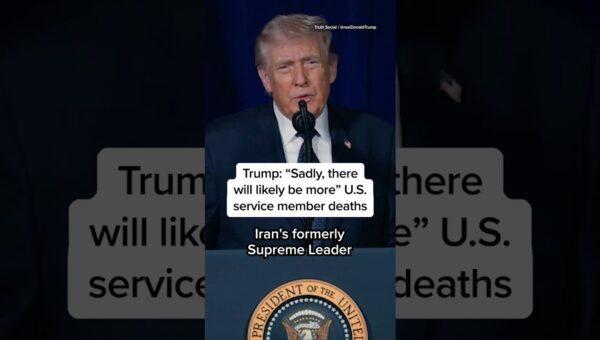
Trump Warns of More US Deaths in Escalating Conflict
Former President Donald Trump issued a somber warning on Truth Social, stating that further U.S. service member deaths are "likely" as geopolitical tensions escalate. He condemned Iran's former supreme leader, Ayatollah Ali Khamenei, and vowed retribution for fallen soldiers.

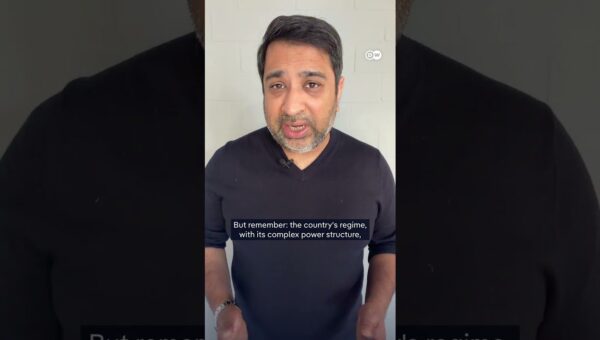
Trump Threatens “Unseen” Force on Iran After Leader’s Death
Following the assassination of Supreme Leader Ayatollah Ali Khamenei, U.S. President Donald Trump has vowed to unleash unprecedented force on Iran. While outlining ambitious goals including regime change, experts express skepticism about the effectiveness of airstrikes and the potential for popular uprising against a resilient Iranian government.

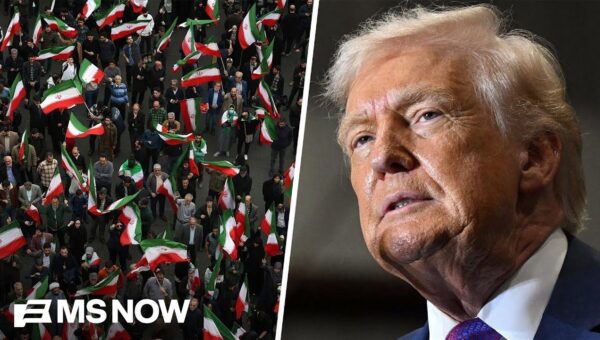
Senator Coons Questions Trump’s Iran Strategy After Troop Deaths
Senator Chris Coons has sharply criticized President Trump's strategy in Iran following the deaths of three U.S. service members. Coons questioned the intelligence regarding Iran's nuclear proximity and the lack of clear strategy and congressional debate for the "war of choice."