Google, Meta Liable: $6M Verdict Shakes Social Media Giants
A jury found Google and Meta liable for designing addictive platforms, awarding $6 million in damages. This landmark verdict could set a precedent for future lawsuits against social media giants, though appeals are expected.

Jury Finds Google and Meta Liable in Social Media Addiction Case
A Los Angeles jury has found Google and Meta (Facebook/Instagram) liable in a landmark case. The lawsuit accused the tech giants of designing their platforms to be addictive for young users. This significant verdict came after nine days and 43 hours of jury deliberation.
Damages Awarded and Company Responsibility
The jury ordered both companies to pay the plaintiff, identified as K.G., $6 million in damages. Meta was found responsible for 70% of the ruling, while Google was responsible for the remaining 30%. This means Meta owes $4.2 million and Google owes $1.8 million.
“Google’s net worth was set in front of the jury by agreement at $415 billion… I just took a jar of M&Ms with 415 M&Ms in it. I showed it to the jury and I said you could grab a handful out. You don’t even notice that they are gone. That is 20 M&Ms, that’s $20 billion to these companies. This is a landmark moment. It will reverberate.”
– Plaintiff Attorney
Legal Experts Weigh In on the Verdict
Legal analysts are calling this a “landmark case” and a “bellwether.” It is the first time major social media corporations have been held accountable for how their platforms affect users. While the damages awarded are substantial for an individual, they represent a small fraction of the companies’ vast wealth. For instance, the plaintiff’s attorney used a jar of 415 M&Ms to represent Google’s $415 billion net worth, highlighting how small a sum the damages are to the tech giant.
The verdict sends a clear message to these companies about how they design their products and how users interact with them. Questions are already being raised about potential redesigns of algorithms and features like autoplay.
Punitive Damages and Potential Appeals
The jury awarded $3 million in compensatory damages and $3 million in punitive damages. Compensatory damages are meant to cover the actual harm suffered by the plaintiff. Punitive damages are intended to punish the defendant for wrongdoing and deter similar future conduct. While the plaintiff’s attorney sought billions, the awarded amounts are considered significant in this context.
Meta and Google have stated they respectfully disagree with the verdict and plan to appeal. Meta issued a statement saying, “We respectfully disagree with the verdict and will appeal. It is profoundly complex and cannot be linked to a single app.”
Section 230 and Product Liability Concerns
A key legal argument in these types of cases often revolves around Section 230 of the Communications Decency Act. This law generally protects online platforms from being held liable for content posted by their users. However, this case was argued under product liability, which focuses on the design and safety of the product itself.
Legal experts suggest that if the appeal is successful, particularly if it challenges the product liability aspect or Section 230 immunity, it could set a precedent. This could potentially overturn the damages award and create a strong defense for other social media companies in future lawsuits. California, where this case was tried, is known for being a plaintiff-friendly legal environment. A loss for the plaintiff on appeal could reverberate nationwide, potentially shielding other tech giants.
What Investors Should Know
This verdict is a significant development, marking the first time major social media companies have been held liable for user addiction. While the immediate financial impact of the $6 million award is minimal for companies like Google and Meta, the long-term implications are substantial.
Precedent Setting: This case could open the door for thousands of similar lawsuits currently pending in federal courts. It shifts the focus towards product liability rather than user-generated content, potentially forcing companies to re-evaluate platform design and algorithms.
Appeal Risk: The companies’ intention to appeal is a critical factor. A successful appeal, especially concerning Section 230 or product liability, could nullify this verdict and set a negative precedent for future plaintiffs. Investors will be watching the appeals process closely.
Regulatory Scrutiny: The verdict will likely increase regulatory scrutiny on social media platforms regarding user safety and mental health impacts, particularly on minors. This could lead to new regulations or compliance costs down the line.
Market Reaction: While the stock prices of Google and Meta did not show significant immediate drops following the verdict, the ongoing legal battles and potential for future liabilities represent a risk factor. The market may react more strongly if the appeals process indicates a trend towards greater corporate accountability in platform design.
In essence, this case is a crucial test for the accountability of social media giants. The outcome of the appeals process will determine whether this verdict becomes a true turning point or a notable, but ultimately overturned, legal challenge.
Source: 'LANDMARK MOMENT': Inside the verdict shaking Google and Meta (YouTube)

Related Articles

Meta, YouTube Lose Landmark Cases Over Teen Harm
Meta and YouTube have been found liable in landmark cases alleging their platforms contribute to harm among teenage users. Juries saw through company denials after prosecutors presented damning internal documents showing awareness of negative impacts. This ruling could lead to significant changes in how social media companies are held accountable.

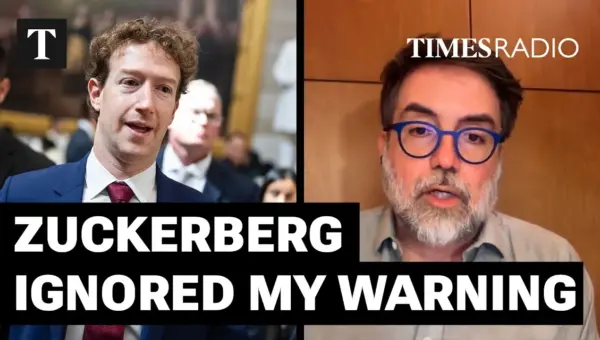
Meta Whistleblower: Zuckerberg Ignored Child Safety Warnings
A former Instagram executive revealed that Meta knew about the harm its platforms caused to children but failed to act. Art Behar testified that Mark Zuckerberg ignored his direct warnings, highlighting the addictive design and ineffective safety tools on Instagram. The recent Los Angeles ruling against Meta has opened the door for greater scrutiny of big tech's practices.

Meta Faces Legal Reckoning: Social Media’s Future in Question
Meta and YouTube have faced significant legal setbacks this week with court rulings finding them liable for social media's harm to young users. These "bellwether" cases could fundamentally alter how tech platforms are regulated and designed going forward, signaling a new era of accountability for the social media industry.