Gold’s Price Dip Is Fleeting; It Remains a Top Investment
Gold prices recently dropped over 10%, but economist Christian Briggs explains this is temporary. He highlights gold's historical stability and its growing role as a global reserve asset, suggesting it's a strong long-term investment despite short-term volatility.

Gold’s Price Dip Is Fleeting; It Remains a Top Investment
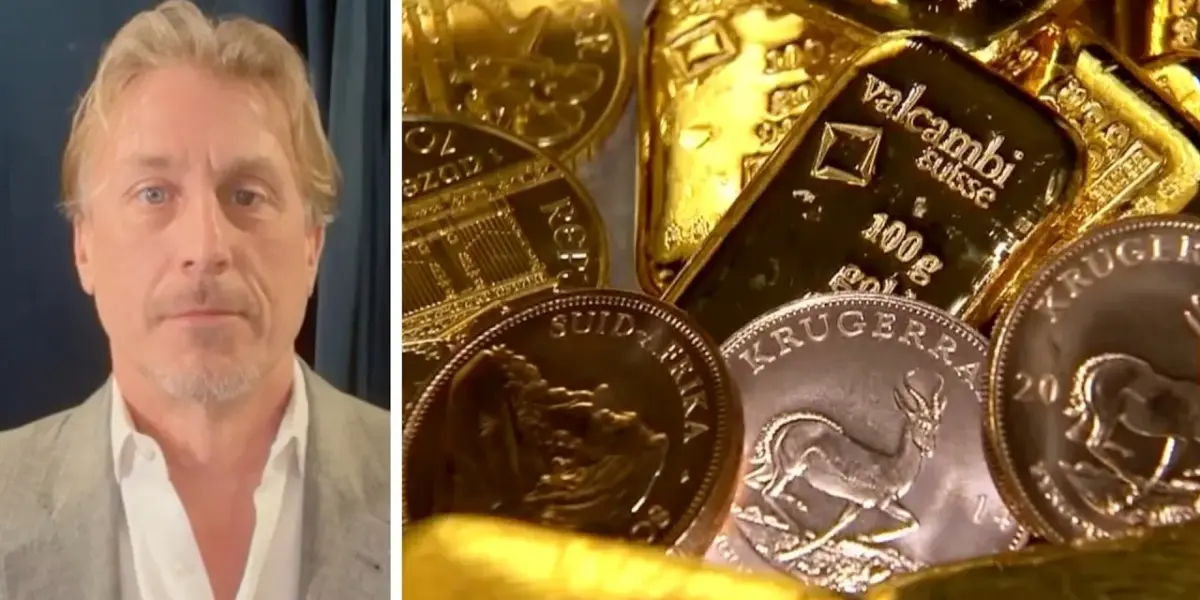
Gold prices recently fell more than 10% from their March high. This might seem strange, especially when you consider that people often turn to gold as a safe place for their money during tough times. But according to economist Christian Briggs, CEO of Hard Asset Management, this recent drop is temporary and gold’s long-term value remains strong.
Why Did Gold Prices Fall?
Briggs points to two main reasons for gold’s recent pullback. First, the credit markets became very tight. When oil prices surged and the stock market took a hit, the bond market also suffered. This created a credit crunch. To cover margin calls, which are demands for more funds to cover potential losses, a couple of very large private equity groups had to sell off gold. This significant selling pressure pushed gold prices down.
Second, gold is very sensitive to interest rates. As bond prices fell, partly due to fears of rising inflation from higher oil prices, interest rate expectations shifted. While a sudden, sharp rise in oil prices can cause immediate inflation fears, a more gradual increase over a longer period might be less alarming. This sensitivity to interest rates was a major factor in the initial price drop.
Is This a New Trend for Gold in Crises?
Briggs believes that volatility is a normal part of any asset’s behavior, including gold. He reminds us of the old saying: “You can’t go broke taking a profit, and you only want to buy on the dips.” Looking at gold’s history, it has performed well over thousands of years, and also since 1975 and 1980. He compares gold’s recent dip to stocks like Microsoft, which also fell significantly from its peak.
Fear can sometimes cause people to sell assets, even gold. However, Briggs emphasizes gold’s fundamental role. It serves as a reserve currency globally and is now backing a significant portion of Asian and European currencies. He even suggests that under the Trump administration, there was a move towards buying gold, possibly anticipating a gold-backed treasury or stablecoin. Trump’s affinity for gold, due to its inherent wealth and security, is well-known. He sees gold as something that cannot go bankrupt and is universally recognized as real money.
Gold has become the world’s monetary asset because it’s universal.
Gold as the World’s New Monetary Asset
Briggs is very bullish on gold for the long term. He highlights the massive amounts of gold being bought by China and other Asian countries. This buying trend has spread globally, making gold the world’s largest reserve asset, surpassing the dollar, euro, and yen. Gold is now the universal monetary asset because everyone understands its value.
He points to South America as an example. Fifteen years ago, gold wasn’t a major part of trade there. However, due to currency fluctuations and high inflation that erodes the value of local money, gold has become a significant part of transactions, making up about 40% of trades. It has become a universal currency, a symbol of wealth and stability that is widely accepted.
In the last five to six years, gold has seen more adoption and acceptance than in the previous 50 years combined. This widespread embrace signals a growing trust in gold’s enduring value.
Central Banks and the Shift Away from the Dollar
Central banks, like China’s, are indeed buying a lot of gold. Briggs explains this is a strategic move to diversify away from U.S. dollar-denominated assets. China has grown significantly over the past few decades, from a small manufacturing base to a global powerhouse. While the U.S. has also progressed, it has, according to Briggs, become too reliant on printing money and overly aggressive monetary policies.
Since the petro dollar agreement in 1974, which helped stabilize the dollar in global trade, the U.S. has had a high demand for its currency, allowing for increased printing. China, however, did not have the same advantage with its yuan. About 15 years ago, China began buying gold as a way to maintain stability in its own currency. This was a hedge against the U.S. dollar, as gold tends to rise when the dollar falls. By owning dollar-based assets like U.S. Treasuries, China was smart to also acquire gold, especially as interest rates began to rise, making dollar assets less attractive.
Briggs criticizes U.S. administrations since Nixon for excessive spending and overprinting money. He notes that many countries, including Poland, Turkey, and Hungary, have been significant net buyers of gold in recent years. They buy gold because it is stable, hedges against currency devaluation, and maintains its purchasing power unlike many other currencies, including the dollar and the euro.
For foreign banks holding U.S. dollars or Treasuries, seeing these assets lose value is concerning. They are looking for stable alternatives. Gold, which is increasing in value and hedging against inflation and currency devaluation, is a logical choice. Briggs predicts that gold prices could reach $10,000 by 2030, or even sooner.
Investment Advice: Is Now a Good Time to Buy?
For long-term investors, Briggs believes that gold has likely bottomed out and presents a good entry point right now. While he cannot offer advice for short-term traders, he points out that anyone who bought gold five, 10, 20, or 30 years ago is currently profitable.
Why This Matters
The recent dip in gold prices, driven by credit market tightness and interest rate sensitivity, offers a valuable lesson. It shows that even safe-haven assets can experience short-term volatility. However, the underlying reasons for gold’s long-term appeal – its role as a global reserve asset, a hedge against inflation and currency devaluation, and its universal acceptance – remain strong. The increasing purchases by central banks, particularly in Asia, signal a potential shift in global monetary dynamics, with countries seeking to diversify away from traditional reserve currencies like the U.S. dollar.
Implications, Trends, and Future Outlook
The trend of central banks accumulating gold is likely to continue as they seek stability and diversification. This could put upward pressure on gold prices over the long term. Furthermore, the increasing use of gold in international transactions, especially in regions experiencing currency instability, points to its growing importance as a global monetary asset. Briggs’ prediction of $10,000 gold by 2030, while ambitious, reflects a growing confidence in gold’s future value, driven by these fundamental trends.
Historical Context and Background
Gold has been used as a store of value and a medium of exchange for thousands of years. Its role has evolved over time, from being the basis of currency systems (like the gold standard) to its current status as a reserve asset and an investment. The shift away from the gold standard in the 20th century led to increased reliance on fiat currencies. However, events like rising inflation, geopolitical instability, and concerns about the value of major currencies have periodically brought gold back into focus as a crucial asset for stability and wealth preservation.
Source: Gold Price Drop Is Temporary, and It Remains a Reliable Long-Term Investment: Economist (YouTube)

Related Articles

Oil Prices Surge: ‘Beer to Beef’ Costs Rise Amid Iran Tensions
Rising oil prices, fueled by geopolitical tensions with Iran, are driving up costs for consumers across the board. From gasoline to groceries, everyday essentials are becoming more expensive as supply chains grapple with higher fuel surcharges. This comes as wage growth slows, creating a financial squeeze for many American families.


US Jet Downed in Iran; Rescue Mission Under Fire
A U.S. fighter jet was shot down by Iranian forces, sparking a dangerous search and rescue mission under fire. One airman was rescued, but another remains missing. Meanwhile, the economic impact of the conflict is being felt at home with rising prices and new surcharges on goods and services.

Jobs Surge in March, But Inflation Fears Loom Large
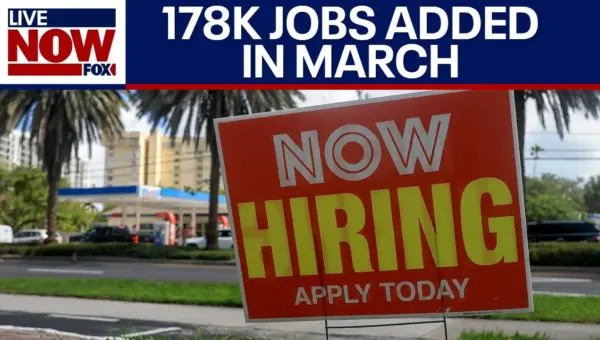
The U.S. economy added a robust 178,000 jobs in March, significantly exceeding expectations and signaling a strong rebound in hiring. However, this positive news is tempered by concerns over rising inflation and the economic impact of ongoing geopolitical conflicts, which could affect future job growth and consumer spending.