Glyphosate Found in Most Children: What You Need to Know
Glyphosate, the active ingredient in Roundup, is found in 87% of American children's urine, raising concerns about cancer risks and gut health. Conflicting scientific assessments and regulatory scrutiny highlight the need for consumer awareness and protective measures.

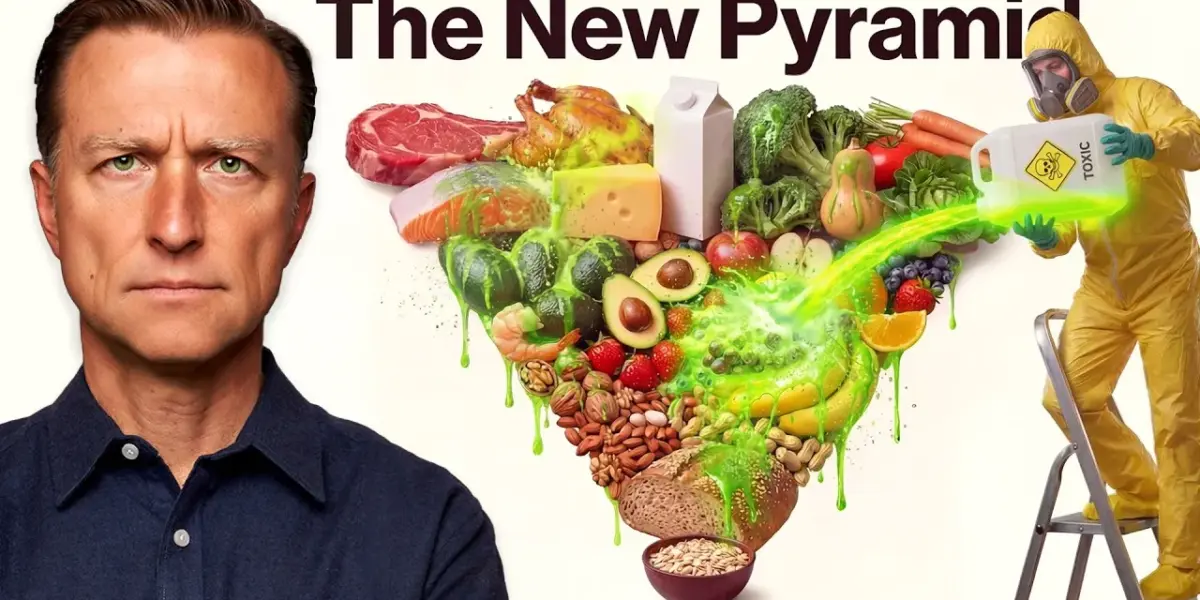
Glyphosate Widespread in Children, Raising Health Concerns
A startling discovery has revealed that the herbicide glyphosate, the active ingredient in Roundup, is present in the urine of 87% of American children tested, with 80% of adults also showing positive results. This widespread exposure to glyphosate, a chemical used extensively in agriculture and even as a drying agent on some crops before harvest, has prompted significant health concerns, particularly regarding its potential link to cancer and its impact on the gut microbiome.
Conflicting Safety Assessments of Glyphosate
The safety of glyphosate has been a subject of intense debate and conflicting scientific opinions. The World Health Organization’s International Agency for Research on Cancer (IARC) has classified glyphosate as a “probable human carcinogen,” suggesting a likely link to cancer. However, the U.S. Environmental Protection Agency (EPA) has maintained that glyphosate is “not likely to be carcinogenic to humans.” This divergence in conclusions, based on what is described as the same scientific data, has led to confusion and distrust among the public.
A Federal Court’s Scrutiny of EPA’s Findings
In 2022, a federal court reviewed the EPA’s safety determination for glyphosate and found it lacking. The court concluded that the EPA’s findings were not supported by substantial evidence and were inconsistent with the agency’s own guidelines for evaluating cancer research. Specifically, the court noted that the EPA appeared to disregard animal studies showing glyphosate causing tumors and that the agency’s conclusions were “divorced from its own guidelines.” The court’s ruling effectively invalidated the EPA’s assessment, calling for a redo of the review. Despite this, a cancer warning has not yet been implemented, and exposure continues.
Concerns Over Formulation and Exposure Routes
Beyond glyphosate itself, research indicates that the combined formulation of Roundup, which includes other chemicals, may be more toxic than glyphosate alone. The EPA’s review process has also been criticized for not adequately assessing exposure routes, such as skin contact, which is a primary way farmers and landscapers are exposed. The court described the EPA’s reasoning in its safety review as “arbitrary” and “inconsistent.” The transcript also highlights potential conflicts of interest, pointing to individuals who moved between regulatory roles at the EPA and positions within Monsanto (the original manufacturer of Roundup), raising questions about the impartiality of regulatory decisions.
Impact on the Gut Microbiome
A significant concern raised is glyphosate’s impact on the human gut microbiome. While it was initially believed to be safe for humans because the targeted pathway (shikamate pathway) is not present in humans, it is present in the beneficial bacteria of the gut. These bacteria play crucial roles in immunity, neurotransmitter production, nutrient absorption, and inflammation control. Glyphosate can harm beneficial bacteria like Lactobacillus and Bifidobacterium, while potentially sparing pathogenic bacteria, which may contribute to an imbalance in the gut. This disruption is particularly concerning given the rise in non-Hodgkin lymphoma, a cancer strongly associated with Roundup exposure.
Settlements and New Herbicide Concerns
Bayer, the company that acquired Monsanto, has paid out billions in settlements related to Roundup cancer claims. In a notable development, Bayer quietly removed glyphosate from its home-use Roundup products in 2023. However, the replacement ingredients, including dequat dibromide and others, are raising new alarms. One of these substitutes is reportedly 200 times more chronically toxic than glyphosate, is banned in the EU and China, and has been found to be significantly more toxic to human health, as well as to ecosystems including bees, birds, and fish. This new formulation is also linked to gut bacteria damage, impaired nutrient absorption, and chronic inflammation, yet the packaging provides little warning to consumers.
Recommendations for Reducing Exposure
Given these concerns, several recommendations are being made to reduce exposure to glyphosate and protect health:
- Choose Organic Foods: Opt for organic produce, especially grains like wheat, oats, and barley, as organic certification prohibits the use of glyphosate.
- Focus on Gut Health: Incorporate fermented foods such as kefir and sauerkraut into your diet to support and rebuild your gut microbiome.
- Consider Testing: For those concerned about their exposure levels, urine testing for glyphosate is available from specialized labs.
- Stay Informed: Awareness of these issues is the first step toward making informed choices about food and environmental exposures.
Disclaimer
This article is for informational purposes only and does not constitute medical advice. Always consult with a qualified healthcare professional before making any decisions related to your health or treatment. The information presented here is based on the provided transcript and should not be considered exhaustive or a substitute for professional medical guidance.
Source: Why Is Roundup in 87% of Our Children? (YouTube)

Related Articles


RFK Jr. Accused of ‘Total Fraud’ Amidst Glyphosate Controversy
Robert F. Kennedy Jr. is facing accusations of being a "total fraud" following his support for a policy allowing the continued use of the herbicide glyphosate. Critics point to his past involvement with law firms that litigated against Monsanto over glyphosate's carcinogenic effects, questioning his long-held advocacy positions.


RFK Jr. Accused of “Total Fraud” Amid Glyphosate Controversy
Robert F. Kennedy Jr. is facing accusations of being a "total fraud" after his apparent support for a Trump administration executive order allowing widespread use of glyphosate, a chemical linked to cancer. The controversy has ignited outrage from the MAGA movement and former allies like Jillian Michaels, who cite Kennedy Jr.'s past work with firms involved in glyphosate litigation.


Acupuncture Lacks Scientific Backing, Studies Show
Emerging research indicates that acupuncture's benefits may be primarily driven by the placebo effect, with high-quality studies failing to demonstrate specific therapeutic advantages beyond sham treatments. The effectiveness of the practice appears linked more to patient expectation and the practitioner's demeanor than to the precise insertion of needles.