Global Trust in Education Falters Amidst Political Divides
Teachers are facing increased scrutiny, moving from uncontroversial figures to subjects of intense debate. This analysis explores the pressures on educators, the historical context of schooling, and the broader implications for society and the global order.

Global Trust in Education Falters Amidst Political Divides
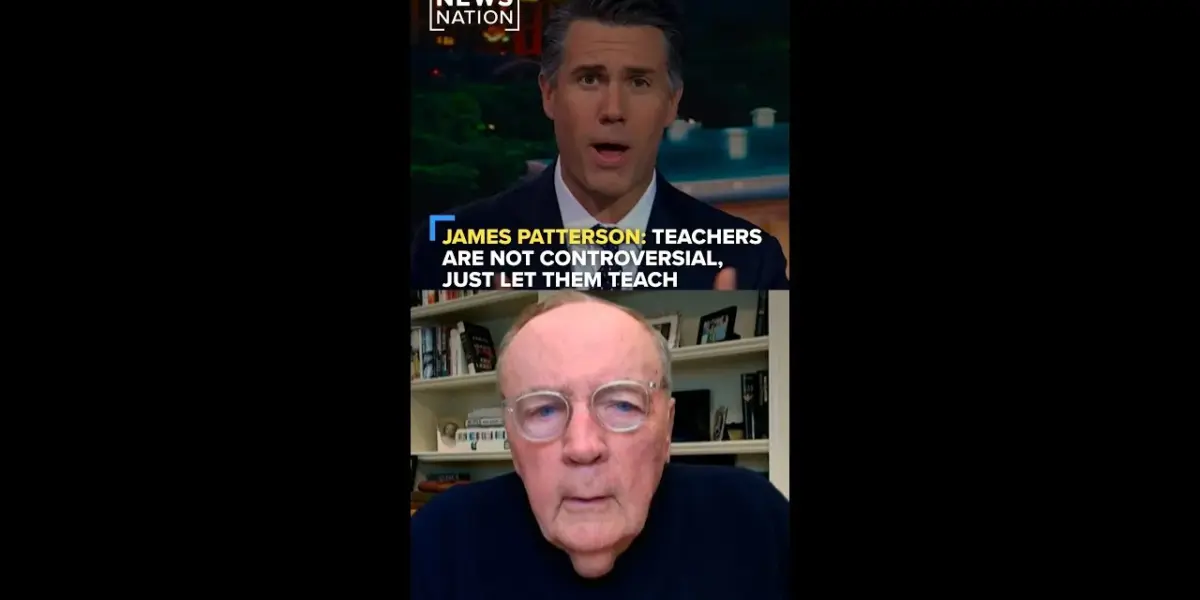
Teachers, once seen as pillars of society, are now finding themselves at the center of heated public debates. This shift raises important questions about the role of education and the pressures faced by those who teach our children. The core issue isn’t that teachers themselves are controversial, but rather that the very act of teaching has become entangled in broader political and social disagreements.
Many believe that educators should focus solely on their primary task: teaching. This means imparting knowledge, developing critical thinking skills, and preparing students for the future. However, discussions about what should be taught, and how, have grown increasingly complex. Some parents and community members worry about certain topics or ideas being introduced in classrooms, leading to accusations of teachers being “woke” or overly political. This puts educators in a difficult position, feeling pressure from multiple sides.
The Teacher’s Perspective
Interviews with teachers reveal a consistent desire to simply do their jobs effectively. Many feel frustrated and undervalued, especially when faced with external pressures. They are dedicated professionals who want to see their students succeed. For them, success means ensuring children can read, understand the world around them, and develop the skills needed to navigate life after school.
The challenges are significant. Teachers often feel they are doing the best they can under tough circumstances. They are not seeking to push personal agendas but to provide a solid educational foundation. The idea that they are inherently political or controversial is a perception that many educators find disheartening, as it distracts from their core mission.
Historical Context: The Evolving Role of Schools
Historically, schools have served as centers for learning and socialization. However, their role has evolved over time. In the past, the curriculum was often less scrutinized, and teachers had more autonomy. Today, with increased access to information and diverse viewpoints, schools are often seen as reflection points for societal values. This has led to greater public interest, and sometimes intervention, in educational matters.
The current debates echo similar discussions from past decades about curriculum content and the purpose of public education. However, the intensity and polarization of today’s debates seem to be on another level. This can make it harder for teachers to navigate their classrooms and for parents to feel confident about what their children are learning.
Why This Reshapes the World Order
When trust in the educational system erodes, it has far-reaching consequences. A strong education system is vital for economic growth, social mobility, and democratic participation. If parents and communities are divided on educational issues, it can weaken social cohesion. Furthermore, international comparisons of educational outcomes can affect a nation’s global standing and its ability to compete in fields like science, technology, and innovation.
The perception of teachers as controversial figures can also discourage talented individuals from entering the profession. This can lead to teacher shortages and a decline in the quality of education. Ultimately, a society that struggles to agree on how to educate its young people faces challenges in preparing them for a complex and interconnected world. This can impact everything from economic competitiveness to the health of democratic institutions.
Future Scenarios
One possible future is a continued deepening of political divides, leading to more fragmented educational approaches and increased parental distrust. Another scenario involves a societal push to depoliticize education, allowing teachers to focus on their craft and rebuilding consensus around core educational goals. A third possibility is that the focus shifts to empowering teachers with better resources and support, enabling them to navigate challenging topics more effectively and regain public confidence.
The path forward will likely depend on how communities and policymakers address the underlying concerns and find common ground. Rebuilding trust requires open dialogue and a shared commitment to the well-being and future success of students.
Source: James Patterson: Teachers are not controversial, just let them teach | On Balance (YouTube)

Related Articles
Title IX Shifts: Schools Revisit Gender Rules Amid Policy Changes
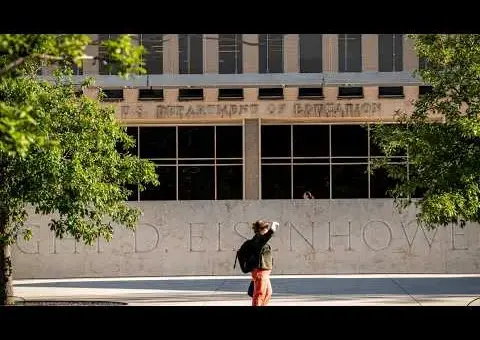
The Trump administration has reversed Title IX agreements related to gender identity in schools, aiming to revert to the law's original intent. This move, alongside a reduction in college DEI programs, signals a shift in educational policy and priorities.


Political Firefight: CNN Debate Exposes Deep Divides
A fiery CNN debate exposed sharp divisions on claims of military victory and presidential power over justice. Commentators clashed over the reality of conflict success and whether presidents should direct investigations, revealing deep partisan divides.

Georgia Leads Nation in School Security Mandate
Georgia is set to become the first state to mandate weapon checks for all students entering public schools. The bill, spurred by a deadly 2024 school shooting, aims to enhance safety through new technology, with state funding allocated for implementation. Supporters believe this measure will provide peace of mind to parents and educators.