Global Travel Snarls Force Midday Flights For Savings
Millions are traveling this Easter weekend despite rising gas prices and flight costs. Global tensions in the Middle East are rerouting flights and increasing fuel expenses. Travel expert Clint Henderson advises flying mid-day on Tuesdays, Wednesdays, or Saturdays for better deals and fewer crowds.

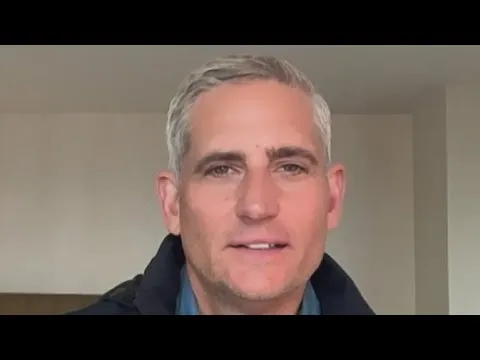
Holiday Travel Chaos Escalates Amidst Global Tensions
Easter weekend is shaping up to be one of the busiest travel periods in years. Millions of Americans are planning trips, even as gas prices continue to rise. Airports are already packed with spring break and holiday travelers. Some long-haul flights are seeing big price jumps because of events in the Middle East. These events are causing flights to be rerouted and fuel costs to go up.
Today and Monday are expected to be the busiest travel days. Traffic jams are likely from late morning through early evening. This means longer waits and more stress for many travelers trying to get to their destinations.
Expert Tips for Navigating Airport Crowds
Clint Henderson, managing editor of The Points Guy, shared key advice for avoiding the worst travel jams. He suggests flying in the mid-afternoon. There is a large wave of flights early in the morning. Another rush happens late at night for international flights. Hitting the sweet spot in the middle of the day can mean shorter lines. You can also often find better deals on tickets during these times.
Henderson’s top tip is to travel on a Tuesday, Wednesday, or Saturday. These days are usually less crowded at airports. You’re also more likely to find the best prices on flights. This advice can help travelers save money and time.
The Value of TSA PreCheck
Another important tip from Henderson is to get TSA PreCheck. Many credit cards will cover the cost of this program. Even if yours doesn’t, Henderson believes the annual fee is worth it. It significantly cuts down on waiting time at airport security checkpoints. This can make the entire travel experience much smoother.
While TSA PreCheck is usually reliable, sometimes systems can go down. Henderson mentioned that even Clear and TSA PreCheck were experiencing issues during his recent travel. These occasional problems are part of travel, but PreCheck still offers major benefits most of the time.
Why This Reshapes the World Order
The current travel disruptions highlight several global trends. Rising fuel costs, driven partly by conflicts in the Middle East, affect everyone. This shows how interconnected our world is. An event in one region can quickly impact daily life for people across the globe. It affects the cost of goods and services, including airfare.
The increased demand for travel after a period of reduced activity also plays a role. People are eager to travel for holidays and leisure. This surge in demand, combined with global issues, creates a perfect storm for travel headaches. It shows how sensitive global travel systems are to external shocks.
Economic and Geopolitical Factors
The rerouting of flights due to Middle East tensions is a clear example of geopolitical influence on commerce. Airlines must find new flight paths, which often means longer flights. Longer flights use more fuel, increasing operational costs. These costs are then passed on to consumers through higher ticket prices. This situation affects global trade routes and the movement of people.
The rise in gas prices also impacts the economy. Higher fuel costs affect trucking, shipping, and personal travel. This can lead to increased prices for goods and services. It puts pressure on household budgets. Countries that rely heavily on imported fuel are particularly vulnerable.
Historical Context
Disruptions to travel and trade due to international conflicts are not new. Throughout history, wars and political instability have affected shipping lanes and air routes. For example, the closure of the Suez Canal at various times has had major global economic impacts. Airlines and shipping companies have always had to adapt to changing geopolitical situations.
The current situation echoes past challenges where conflict in key regions forced major adjustments. The need for efficient and safe travel routes is a constant concern for governments and businesses. Adapting to these changes is a key part of navigating international relations.
Future Scenarios
One possible future scenario is that travel costs will remain high as long as global tensions persist. Airlines may continue to adjust routes and prices, making mid-day travel on weekdays the most affordable option. Travelers might need to plan further in advance and be more flexible with their schedules.
Another scenario is that diplomatic solutions could ease tensions in the Middle East. This might lead to more stable flight paths and lower fuel costs. If this happens, airfare could decrease, and travel could become less stressful. However, geopolitical situations can be unpredictable, making this outcome uncertain.
A third possibility is that the travel industry will find more innovative solutions. This could involve new technologies or more efficient routing systems. These innovations could help mitigate the impact of global events on travelers. For now, travelers are advised to book flights for mid-day on Tuesdays, Wednesdays, or Saturdays and consider TSA PreCheck to save time.
Source: Travel expert advises flying mid-day on Tuesday, Wednesday or Saturday | NewsNation Live (YouTube)

Related Articles


Iran Shoots Down Jets, Trump Faces Middle East Crisis
U.S. aircraft shot down over Iran, including an F-15E and an A-10, have forced President Trump into an emergency national security meeting. The incidents challenge claims of Iran's weakened defenses and highlight a diplomatic stalemate, with Iran rejecting U.S. demands and potential economic fallout looming.


US Pilot Rescued, Another Missing After Iran Downs Fighter Jet
A U.S. F-15E fighter jet was shot down over Iranian airspace, prompting an urgent search for a missing pilot. One pilot has been rescued, while the other remains unaccounted for. The incident occurred during a rescue operation where three other U.S. aircraft were reportedly struck by Iranian fire, raising concerns about regional stability and Iran's military capabilities.


US Faces Growing Pressure Over Arms Sales
The United States is facing mounting international pressure over its global arms sales. The debate pits national security and economic interests against human rights concerns, influencing alliances and regional power balances worldwide.