Global Powers Shift As New Alliances Form
Nations are constantly forming new partnerships and re-evaluating old ones to meet security and economic goals. These shifts, driven by individual country interests and historical context, are reshaping the global order and affecting international trade and stability.


Global Powers Shift As New Alliances Form
The world stage is constantly changing. Countries form new partnerships and re-evaluate old ones. This happens for many reasons, like security needs and economic goals. These shifts can affect trade, stability, and how countries interact with each other on a global scale.
Understanding the Dynamics
Major world powers are always looking for ways to improve their standing. They seek allies that can help them achieve their objectives. Sometimes this means strengthening ties with existing friends. Other times, it involves reaching out to new partners.
These decisions are often based on a country’s specific interests. For example, a nation might seek allies to protect its trade routes. Another might look for partners to gain access to new markets or resources. Security is also a major factor, as countries work together to face common threats.
Key Actors and Their Motivations
Consider the major players in international relations. Each nation has its own set of goals and concerns. For instance, the United States often seeks to maintain its global influence. It does this by working with allies like those in NATO. China, on the other hand, is focused on expanding its economic reach through initiatives like the Belt and Road.
Russia aims to reassert its influence in its near abroad and beyond. It does this through various diplomatic and military means. European nations often prioritize economic stability and cooperation within the European Union. They also work with the US on security matters. Understanding these individual motivations is key to understanding global politics.
Economic Levers in Play
Money and trade play a huge role in international affairs. Countries can use economic tools to influence others. Sanctions, for example, can be used to pressure a nation into changing its behavior. Trade agreements can strengthen ties between countries.
Access to energy resources, like oil and gas, is also critical. Countries that control these resources have significant power. Global trade routes, the paths ships and planes use to move goods, are also important strategic assets. Any disruption to these routes can have worldwide effects.
Historical Context Matters
Today’s international relations are shaped by the past. Treaties signed decades ago still influence current alliances. Past conflicts can create lasting rivalries or friendships between nations. For example, the end of World War II led to the creation of new international bodies and alliances.
The Cold War also had a major impact. It divided the world into two major blocs and shaped many security arrangements. Understanding these historical patterns helps us see why countries act the way they do today. It provides context for current events and potential future developments.
Shifting Regional Balances
Alliances aren’t just global; they are also regional. Countries within a specific area often form partnerships based on shared interests or common threats. These regional dynamics can create powerful blocs or lead to intense rivalries.
For example, in the Middle East, countries form alliances based on political and religious ties. In Asia, economic cooperation is a major driver of regional partnerships. These regional shifts can have ripple effects, influencing global power balances.
Future Scenarios
Looking ahead, several scenarios are possible. One is a continuation of the current multipolar world, where several major powers compete. Another is a move towards greater global cooperation on issues like climate change and pandemics.
It’s also possible that regional conflicts could escalate, leading to wider instability. The choices made by world leaders today will shape which of these futures becomes reality. The world order is always in flux, and new challenges and opportunities will continue to emerge.
Global Impact: Why This Reshapes the World Order
The constant formation and dissolution of alliances are not just diplomatic exercises. They are fundamental forces reshaping the global order. As countries align and realign, the distribution of power changes.
This affects everything from international trade rules to global security. It can lead to new economic opportunities for some nations and new challenges for others. The way countries choose to cooperate or compete today will define the international system for years to come.
Source: Where is Brian Shaffer? 20-year mystery haunts Ohio town | Missing (YouTube)

Related Articles

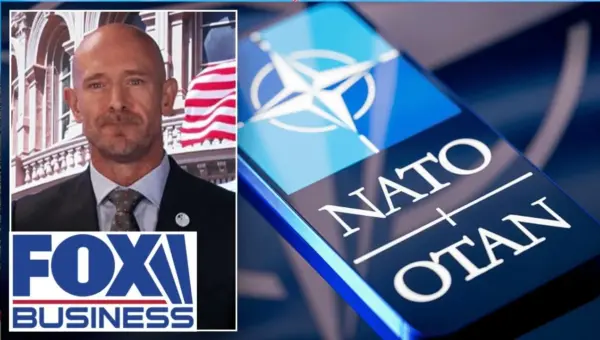
NATO Allies Urged to Step Up Support for US
Retired Navy SEAL Mike Cirelli urges NATO allies to increase their support for U.S. international efforts, citing delays in crucial operations. NATO's chief acknowledges past slow responses, while Cirelli emphasizes the need for allies to take greater responsibility for global security, especially concerning energy supplies.

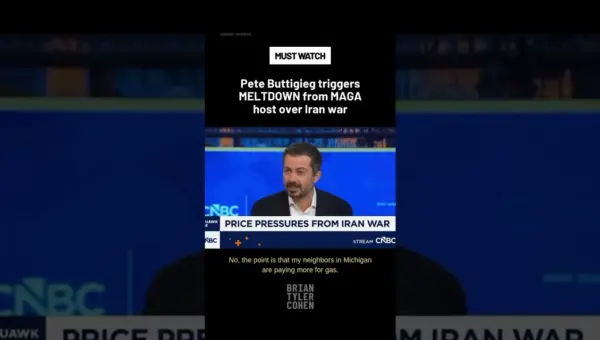
Buttigieg Spars With MAGA Host Over Iran War Claims
Transportation Secretary Pete Buttigieg and a MAGA host clashed over Iran's nuclear program and the justification for military action. The debate highlighted differing views on presidential credibility and American strength.

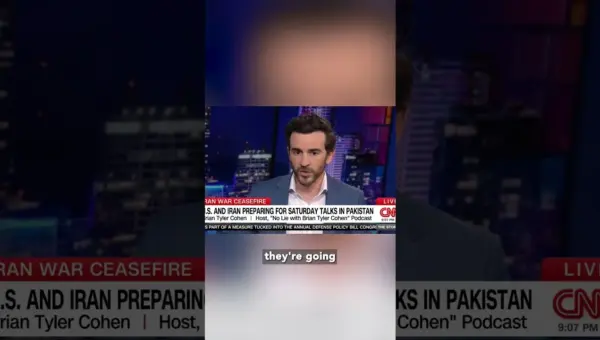
Trump’s Iran War: A Costly Disaster at Home and Abroad
Critics are calling the recent conflict with Iran an "unmitigated disaster," highlighting a failure to achieve regime change and significant costs at home. The war has resulted in American lives lost, billions spent, and rising gas prices, raising serious questions about its worth.