Global Powers Play Chess as Investigations Stall
A lack of clear suspects in a significant investigation points to the complex interplay of luck and cunning among involved individuals. This situation echoes historical patterns where powerful actors evade accountability, often driven by strategic and economic interests.

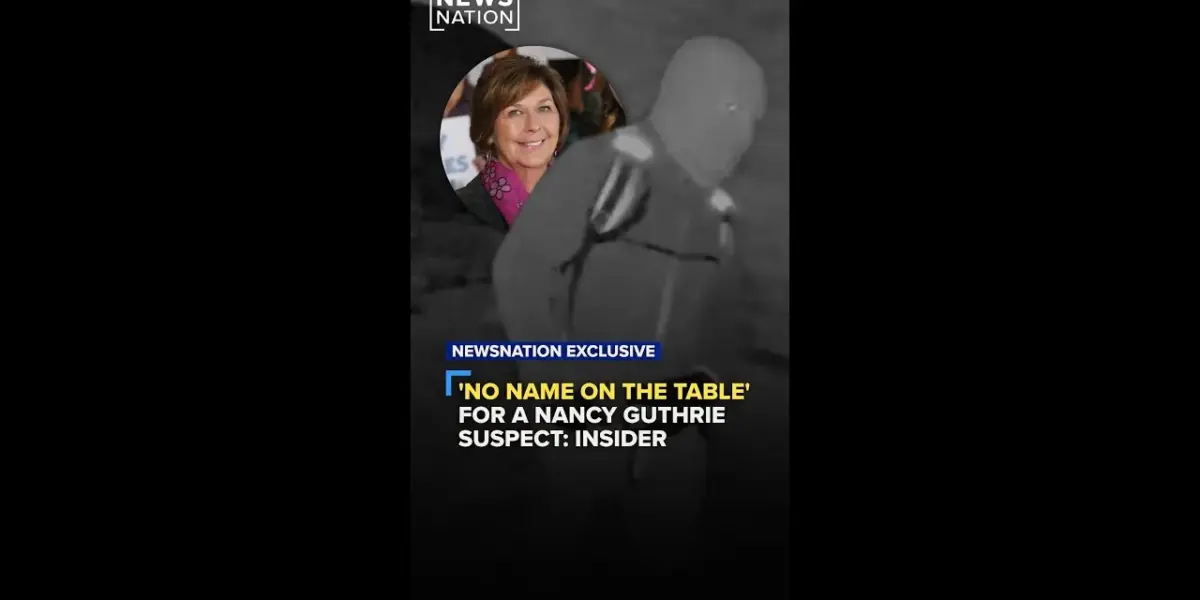
Global Powers Play Chess as Investigations Stall
In the complex world of international affairs, major players often move in ways that are hard for outsiders to understand. Sometimes, their actions seem slow or unclear. This can happen when powerful countries are dealing with sensitive issues behind the scenes. It’s like a game of chess, where each move is carefully planned, and the real strategy isn’t always obvious.
Recent reports suggest a lack of clear suspects in a significant investigation. People close to the matter say no specific person is currently being seriously considered. This situation is not entirely surprising given how the investigation has unfolded so far. It points to individuals who are either incredibly fortunate or very skilled at hiding their actions.
Motivations and Hidden Agendas
The lack of a clear suspect raises questions about the motivations of those involved. Are they genuinely struggling to find evidence? Or is there a deliberate effort to slow down or obscure the truth? Powerful nations often have many reasons to keep certain information private. This could be to protect their own interests, avoid international embarrassment, or maintain a specific global image.
When investigations stall, it can be because the individuals involved are exceptionally lucky. Their actions may have gone unnoticed, or the evidence simply hasn’t surfaced. Alternatively, they might be highly cunning. This means they could have meticulously covered their tracks, making it extremely difficult for investigators to find any solid proof. In such cases, the truth might remain hidden for a long time.
Historical Context of Cover-ups and Delays
History shows us that powerful actors have often managed to avoid accountability. This is not a new phenomenon. During the Cold War, for example, both the United States and the Soviet Union engaged in covert operations. Often, the full details of these operations were never revealed to the public. This was done to protect national security or to avoid escalating tensions between the superpowers.
Similarly, in cases of international espionage or political intrigue, skilled operatives have historically been able to disappear or erase evidence of their involvement. This ability to operate without consequence highlights the challenges faced by investigators when dealing with sophisticated and well-resourced adversaries. The current situation, where no clear suspect has emerged, echoes these historical patterns.
Economic and Strategic Interests
The reluctance to pinpoint a suspect could also be tied to broader economic and strategic interests. If identifying a suspect would lead to sanctions, trade disruptions, or a breakdown in diplomatic relations, powerful countries might choose to proceed with extreme caution. They might prioritize stability and their own economic well-being over immediate justice.
For instance, a country might be hesitant to implicate another nation if it relies on that nation for crucial resources like oil or gas. Trade agreements and energy routes are vital for global economies. Any action that threatens these could have widespread negative effects. Therefore, political considerations often outweigh the desire for a swift resolution.
Global Impact: A World of Shifting Alliances
When investigations into significant events lack clear outcomes, it can create uncertainty on the global stage. This uncertainty can lead to shifting alliances and a reevaluation of trust between nations. Countries might question who their reliable partners are. They may also become more cautious about forming new agreements or commitments.
The lack of accountability can embolden certain actors. They might feel that they can act with impunity if they are clever enough to avoid detection. This can destabilize regions and create a more unpredictable international environment. The world order relies on a degree of predictability and adherence to certain norms. When these are challenged without consequence, the entire system can be weakened.
Future Scenarios
Several scenarios could play out from this point. One possibility is that the investigation eventually uncovers new evidence, leading to the identification and prosecution of those responsible. This would depend on luck or a mistake by the cunning individuals involved.
Another scenario is that the trail goes cold permanently. The individuals involved might successfully evade discovery, and the truth may never be fully known. This outcome would highlight the limitations of investigative power against determined and resourceful adversaries.
A third possibility is that political pressure or a change in circumstances could lead to a de-escalation or a quiet resolution. This might involve a behind-the-scenes agreement rather than a public acknowledgment of guilt. Such outcomes are common when powerful nations are involved and national interests are at stake.
Ultimately, the current situation underscores the complex interplay of power, strategy, and justice in international relations. The absence of a clear suspect is not just a detail of one investigation; it reflects broader dynamics that shape how global events unfold and how power is exercised across borders.
Source: No name on the table for a Nancy Guthrie suspect: Insider | Katie Pavlich Tonight (YouTube)

Related Articles
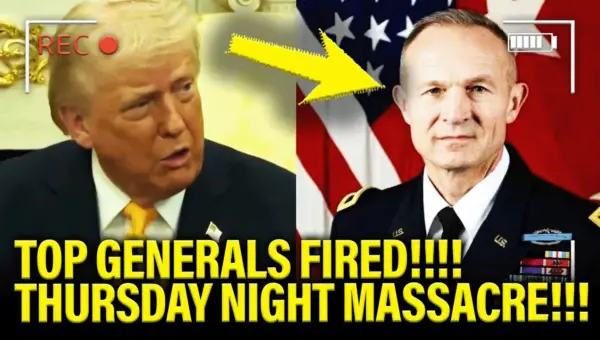
Trump’s Purge: Generals Fired Amidst Escalating Iran Conflict
President Trump has reportedly overseen a significant purge of top military brass amidst an escalating conflict with Iran. The dismissals, affecting over a dozen senior officials, raise concerns about national security, potential political motivations, and the impact on military readiness during a tense international period.
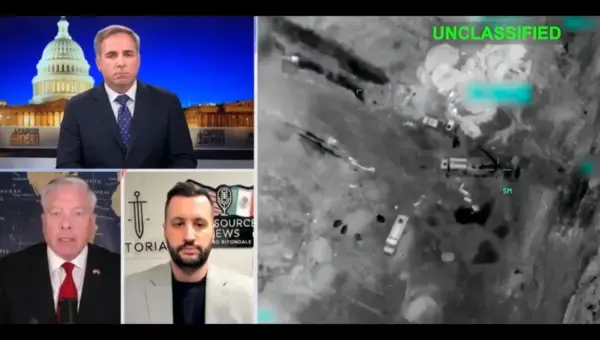
Iran’s Internal Feuds Cripple Its Fight Against US
Internal power struggles within Iran are weakening its ability to confront the US, with different factions fighting each other rather than focusing on external threats. This internal conflict offers strategic options for the US but complicates any potential negotiations.
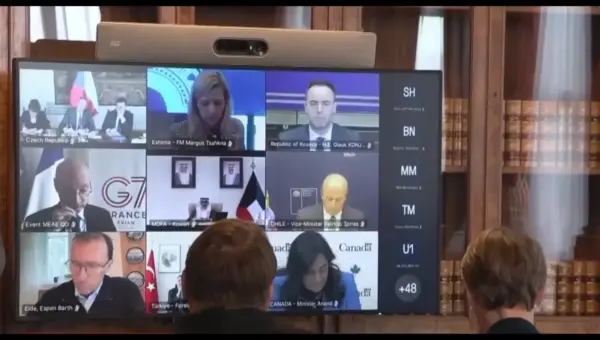
Global Powers Unite: 40 Nations Target Iran Over Strait of Hormuz
Over 40 nations have joined forces to discuss reopening the crucial Strait of Hormuz, which Iran is accused of blocking. The international effort follows calls for global responsibility in securing the vital waterway. Talks aim to restore the flow of oil traffic without resorting to force.