Global Power Shift: US Dollar Faces New Challenges
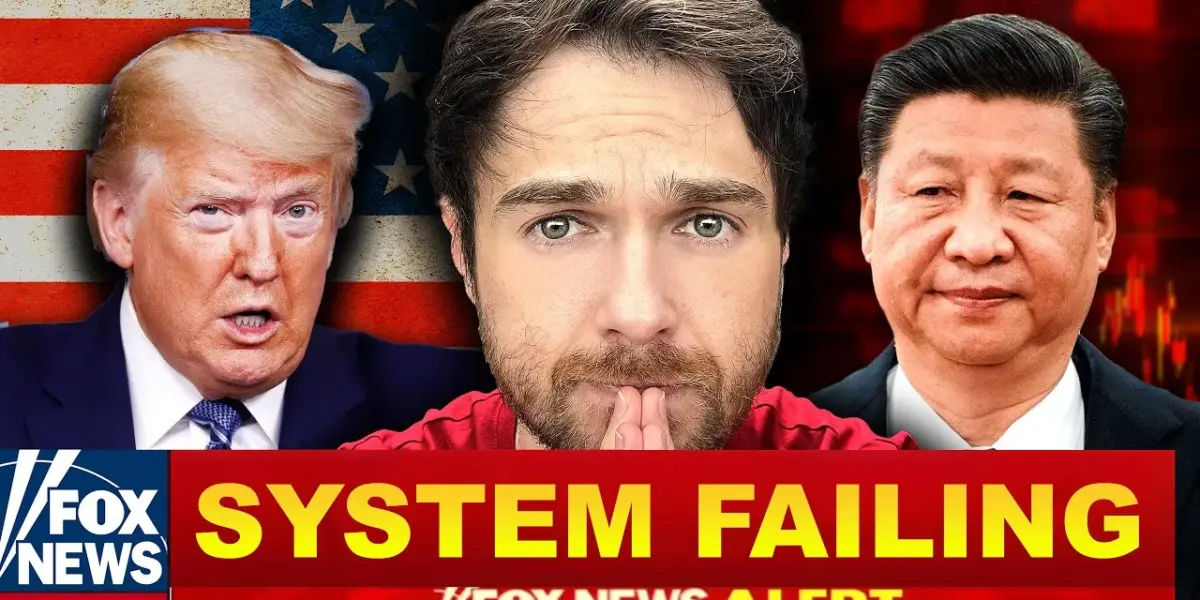
Geopolitical tensions and economic headwinds are signaling a potential end to the U.S. dollar's global dominance. A developing alternative financial system involving Iran, Russia, and China could reshape international trade and investment.

Global Power Shift: US Dollar Faces New Challenges
The world is witnessing a significant shift in global power dynamics, with potential implications for the U.S. dollar’s long-standing dominance. Analysts point to a complex interplay of geopolitical events, economic pressures, and evolving international trade patterns that could mark the beginning of the end for what’s known as ‘Pax Americana’ – a period of relative peace and stability largely shaped by U.S. influence since World War II.
Mounting Economic Pressures in the U.S.
Several key economic issues are creating headwinds for the United States. High interest rates, maintained for longer than expected, are straining various sectors. The private credit market, a massive $9.4 trillion system involving companies like Blackstone and Apollo, is facing pressure as investors seek their money back, a demand the system struggles to meet. This has led to a significant drop in the stock prices of these major financial institutions.
Another concern is job creation. Recent data suggests net zero job creation in the private sector over the past year. Companies are increasingly using artificial intelligence (AI) as a reason to lay off workers or halt new hiring. This trend could have broad economic consequences, affecting consumer spending and overall economic growth.
The national debt is also a growing worry. The U.S. government is spending far more than it earns, a situation exacerbated by recent global events. This growing debt, outpacing economic growth, raises concerns about long-term fiscal stability.
Furthermore, rising long-term bond rates signal potentially higher borrowing costs for both the government and businesses. This increase in interest rates makes it more expensive for companies to borrow money for investments and expansion.
Geopolitical Tensions and Energy Markets
The conflict in the Middle East, particularly concerning Iran and the Strait of Hormuz, is a major catalyst in these shifting dynamics. The Strait of Hormuz is a critical chokepoint for global oil transport, with about 20% of the world’s oil flowing through it daily. Disruptions here can significantly impact global energy prices and supply chains.
A key theory suggests that Iran, Russia, and China are working together to build an alternative global financial system. Iran controls the Strait of Hormuz and can leverage this position to push for oil payments in Chinese yuan. Russia offers an alternative energy supply to countries seeking to move away from Middle Eastern oil, accepting payments in yuan or rubles. China provides the payment infrastructure and has historically accepted gold in exchange for yuan.
This emerging system could challenge the U.S. dollar’s role as the world’s primary reserve currency. Historically, oil has been priced in dollars, a system known as the ‘petro dollar.’ If more oil transactions shift to yuan, it could reduce global demand for dollars and weaken its standing.
Evidence for this shift can be seen in increased gold purchases by Gulf countries, like Saudi Arabia, starting in 2022. This was the same year the U.S. froze Russian dollar assets, prompting other nations to seek alternatives and diversify their holdings away from dollar-denominated assets. Even the U.S. has been exporting significant amounts of physical gold, suggesting it may be settling some of its own trade deficit with gold.
Market Reactions and Investor Concerns
The bond market is showing signs of stress. Long-term bond yields have been rising, contrary to earlier expectations of falling interest rates. This rise is driven by investor concerns about government spending, geopolitical risks, and the potential for inflation. When bond yields rise, the cost of borrowing increases, impacting government finances and corporate borrowing costs.
The stock market is also facing uncertainty. Historically, job openings and the stock market have moved in tandem. However, recently, job openings have fallen while the S&P 500 has continued to rise. This disconnect suggests the market may be betting on AI-driven productivity gains boosting corporate profits, even if job losses occur. This is a speculative bet that could prove risky if consumer spending falters due to job losses.
The Federal Reserve faces a difficult balancing act. If oil prices surge due to geopolitical conflict, raising interest rates to combat inflation could worsen a potential economic downturn. Conversely, cutting rates to support the economy might fuel inflation further.
Potential Future Outcomes
Analysts outline three potential scenarios:
- Best Case Scenario: The conflict ends quickly, leading to a de-escalation in the Middle East. Oil prices stabilize, inflation remains under control, and the Fed can lower interest rates. However, even in this scenario, the global system may not return to its previous state, with the alternative financial system continuing to develop.
- War Continues: If the conflict persists for several more weeks, critical economic systems could break. This could lead to a crisis in bond markets, forcing foreign holders of U.S. Treasuries to sell, driving up U.S. interest rates and potentially causing a stock market downturn and credit crisis.
- Protracted Conflict: A prolonged war could lead to a situation where the U.S. government cannot afford to borrow at prevailing rates. This might force the Federal Reserve to intervene by printing more money (quantitative easing or yield curve control). Historically, printing money when oil prices are high has led to widespread inflation, impacting everything from energy to rent, potentially leading to stagflation (high inflation with stagnant economic growth).
What Investors Should Know
The current environment presents significant risks and uncertainties for investors. The traditional relationship between job growth and stock market performance appears to be breaking down, driven by AI adoption and global economic pressures. The potential shift away from dollar dominance and the rise of alternative payment systems could have long-term implications for asset valuations.
Some analysts suggest a potential long-term rotation from stocks into commodities like gold and silver, given their historical role as safe-haven assets during times of economic and geopolitical turmoil. While the short-term outlook remains volatile, investors are being advised to consider diversification and risk management strategies. Personal financial decisions, such as reducing debt and holding cash or short-term bonds, are being adopted by some as a precautionary measure against potential market instability.
Source: The End Of Pax Americana (YouTube)

Related Articles
Global Energy Shock Looms: Iran War Threatens Supply, Prices
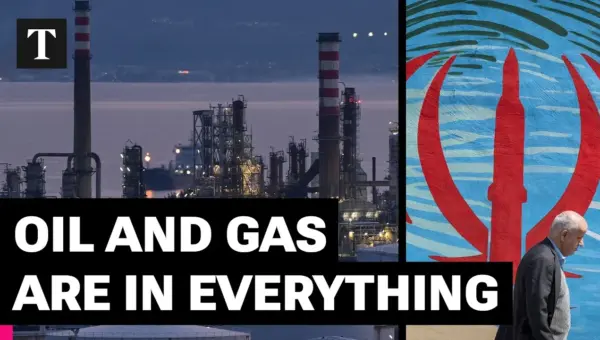
A widening energy crisis, stemming from the conflict in the Middle East, threatens global economic stability. Economist Liam Halligan warns of potential price shocks, plastics shortages, and even future food insecurity due to disrupted oil, gas, and fertilizer supplies. The UK, as a net energy importer, faces particular vulnerability.

Dem Hopeful’s Silence on Khamenei Death Sparks Outrage
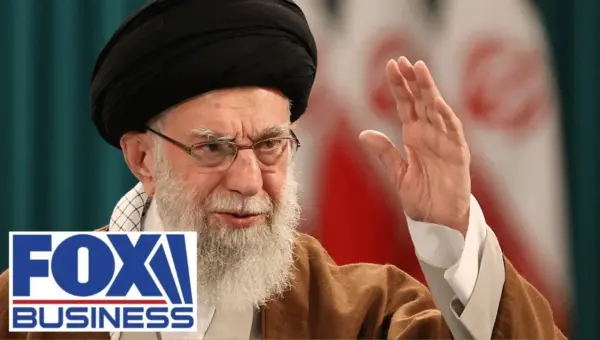
A leaked audio recording reveals a Michigan Democratic Senate hopeful's alleged advice to stay silent on Ayatollah Khamenei's death, sparking outrage. The controversy occurs amid an internet blackout in Iran, hindering potential uprisings. The candidate's stance raises questions about political alignment and voter sympathy.

Crypto Rallies as War Fears Ease, Gas Prices Spike
Cryptocurrencies like Bitcoin and Ethereum saw gains as hopes rose for an end to the current Middle East conflict. However, rising gas prices to $4 per gallon and broader economic concerns continue to pressure markets. Investors are watching geopolitical shifts and inflation closely.