Global Outcry Erupts: Millions Protest Trump Administration Policies
Millions across the US and globally protested, with demonstrations described as the largest in US history. The White House dismissed the outcry as 'Trump derangement therapy sessions.' A movement is now growing for a general strike on May 1st.

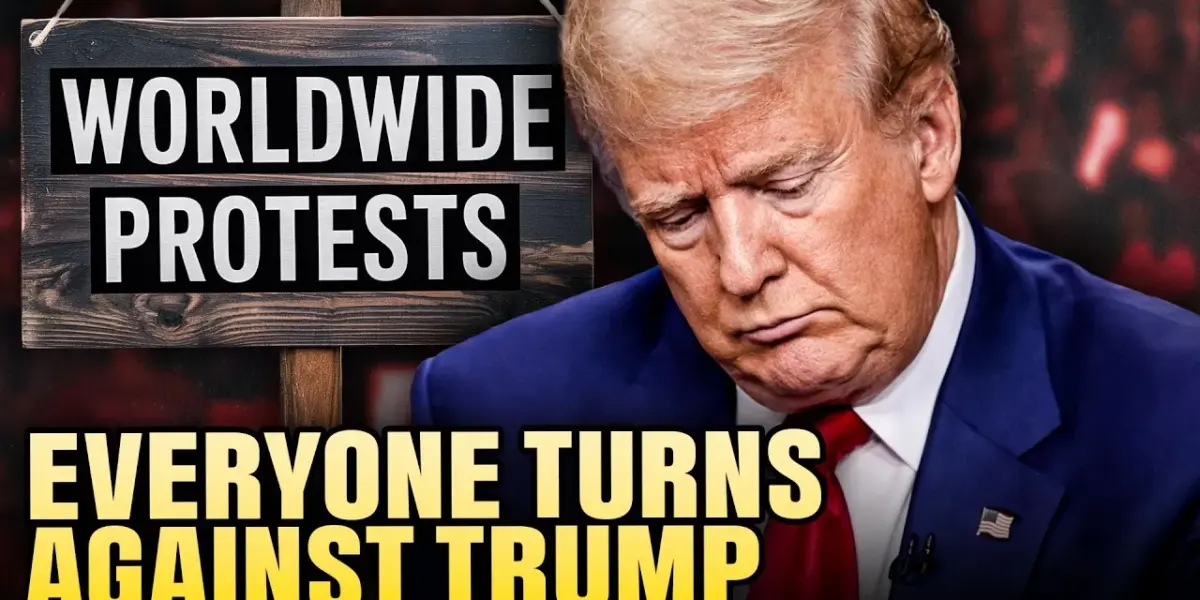
Global Outcry Erupts: Millions Protest Trump Administration Policies
The United States witnessed an unprecedented wave of public dissent recently, with millions taking to the streets in protests that spanned all 50 states. These demonstrations, described as the largest single day of protest in American history by attendance, saw over 3,000 events organized across the nation. Major cities and small towns alike became hubs for citizens expressing their concerns.
The dissent was not confined to American borders. Significant protests also occurred in countries like Italy, France, Spain, Germany, the Netherlands, Greece, and Australia. These international demonstrations captured global attention, with signs in Sydney reading, “We can’t stand him either,” showing solidarity with American protesters. A sign in Amsterdam humorously summed up the global sentiment with “WTF America?” Many Americans echoed this feeling, questioning the direction of their country.
White House Dismisses Protests as ‘Derangement’
In response to the widespread demonstrations, the White House issued a statement aimed at downplaying their significance. Abigail Jackson, speaking for the administration, told reporters that the only people concerned about these protests were the media outlets paid to cover them. She referred to the public outcry as “Trump derangement therapy sessions.” This statement, intended to project an image of being unfazed, was met with criticism for seeming to insult working people and the media profession.
The administration’s strategy appears to be to dismiss public dissent as irrational or driven by external forces, rather than acknowledging legitimate concerns. This tactic, while common in politics, risks alienating a significant portion of the population.
The speaker in the video critiqued Jackson’s statement, suggesting that her position was out of touch and that she herself might face employment difficulties after her current role. The argument was that dismissing people for having jobs was hypocritical, especially for someone who might later need to seek employment themselves. The speaker also proposed that “Trump derangement syndrome” should be recognized as a genuine psychological condition, characterized by believing the administration’s narrative despite contrary evidence.
Defining ‘Trump Derangement Syndrome’
The concept of “Trump derangement syndrome” was presented as a way to describe those who consistently support the administration, even when facts suggest otherwise. The speaker suggested that this condition is suffered by those within the administration, Congress, and individuals still openly supporting Trump through merchandise or vehicles. It was framed as a refusal to accept reality in favor of an “alternative reality.”
The idea of officially diagnosing “Trump derangement syndrome” was presented as a way to turn the administration’s own rhetoric back on them. The hope was that by labeling supporters as suffering from a psychological condition, it would highlight the perceived disconnect from reality. This perspective suggests a deep division and a struggle for narrative control.
Looking Ahead: General Strike and Future Actions
The recent protests are seen as a significant indicator of public sentiment. Following these events, a movement is growing to organize a massive general strike on May 1st in the United States. Organizers hope this action will gain momentum and demonstrate a united front of discontent.
The energy and numbers seen during the recent protests are viewed as a strong foundation for future actions. The call for a general strike represents a potential escalation of organized dissent, aiming to exert broader economic and social pressure. The success of such a movement would depend on continued public engagement and organization.
Why This Matters
The widespread protests, both domestic and international, signal a significant level of public dissatisfaction with the current administration’s policies and direction. The administration’s dismissive response highlights a potential disconnect between the government and the people it serves. This dynamic can lead to further polarization and erosion of trust in political institutions.
Implications and Future Outlook
The global nature of the protests suggests that the issues at hand resonate beyond national borders. This interconnectedness could foster greater international solidarity among citizens who feel their concerns are not being addressed. The proposed general strike, if realized, could have substantial economic impacts and serve as a powerful tool for organized labor and advocacy groups.
The discourse around “Trump derangement syndrome” reflects a broader trend of political rhetoric becoming increasingly personalized and psychological. This approach can overshadow substantive policy debates and further entrench partisan divides. Moving forward, the challenge will be to bridge these divides and foster constructive dialogue, regardless of political affiliation.
Historical Context
Mass protests have historically played a crucial role in shaping political and social change. From the Civil Rights Movement in the United States to anti-government protests in Europe, public demonstrations have often been a catalyst for policy shifts and governmental accountability. The scale and scope of the recent “no Kings” protests indicate a potentially significant moment in contemporary political history.
The use of terms like “derangement syndrome” in political discourse is not entirely new, but its application in this context reflects the heightened political tensions of recent years. Understanding these dynamics requires looking at how public opinion is shaped, how governments respond to dissent, and the long-term consequences of political polarization.
Source: The World RISES UP Against Trump (YouTube)

Related Articles

Gulf Allies Urge Trump to Continue Iran Conflict
U.S. allies in the Persian Gulf are urging President Trump to intensify military action against Iran, believing Tehran has not been sufficiently weakened. The ongoing conflict raises concerns about regional stability and global energy prices, while questions linger about the administration's long-term strategy.

MAGA Movement’s Grip: Echoes of January 6th Persist
Audio from January 6th reveals a disturbing justification for the actions of Ashli Babbitt, highlighting the persistent and troubling narratives within parts of the MAGA movement. This mindset continues to pose challenges to democratic norms.

Pelosi Confident Woman President Will Emerge
Former House Speaker Nancy Pelosi believes a woman president will soon hold the highest office, describing the barrier as a "marble ceiling." She reflected on her career, praised Kamala Harris, and discussed her past influence on President Biden's decision not to seek reelection. Pelosi also shared concerns and plans for the midterm elections.