Global Oil Prices Sink as Nations Seek Energy Independence
Global crude oil prices have dropped significantly as nations increasingly seek energy independence and diversify away from the Middle East. The U.S. and its allies have released millions of barrels of oil and are exploring new energy supply chains. This shift is also accompanied by deregulation efforts and evolving military tactics.

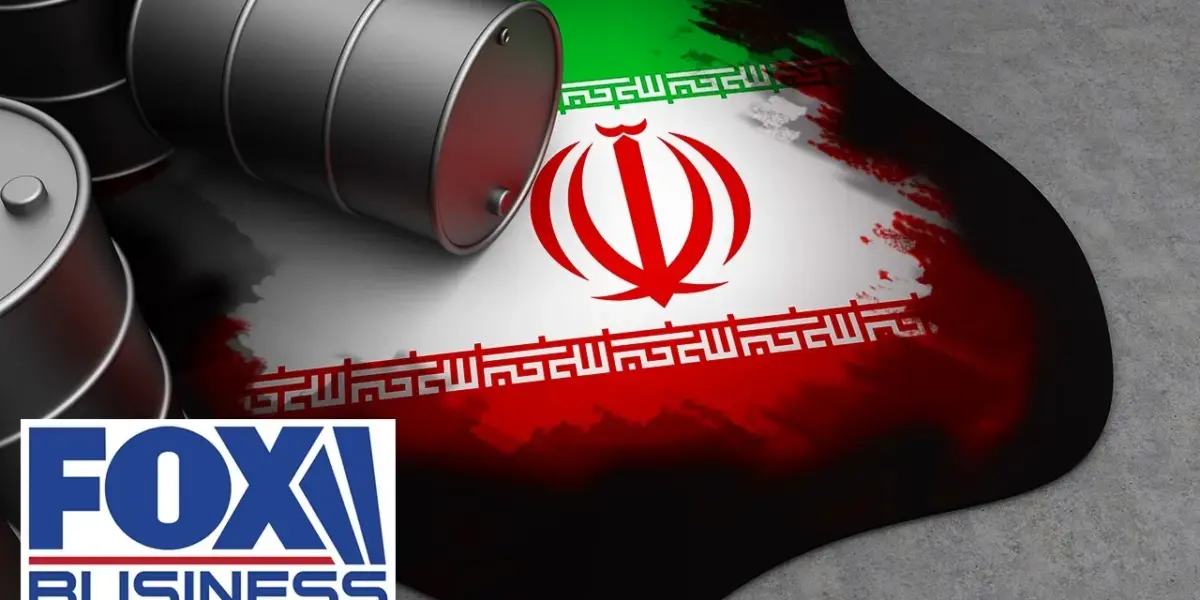
Global Oil Prices Sink as Nations Seek Energy Independence
Crude oil prices plunged 7% to $91.41 per barrel, reflecting a significant global shift away from Middle East energy sources. This market movement comes as nations increasingly seek diverse supply chains and reduce reliance on oil from a region facing ongoing geopolitical tensions.
The United States has taken steps to stabilize global energy markets. President directed military action to protect electrical infrastructure and power plants. In a move to calm markets, over 170 million barrels of oil were released from U.S. reserves. Partnering countries added to this effort, contributing over 400 million barrels collectively. This coordinated release aims to keep oil prices lower for consumers worldwide.
Nations Pivot to U.S. for Energy Supplies
A recent meeting in Tokyo highlighted this trend. Energy ministers and government leaders from 17 Indo-Pacific nations discussed diversifying their energy supplies. Many expressed a desire to lessen their dependence on Middle East oil, citing concerns over freedom of navigation and potential threats to shipping routes. For countries like Japan, which receives oil from Alaska, a journey of only 8 days, the focus is on secure and reliable energy access.
This increasing reliance on the United States for energy supplies signals a long-term strategic pivot. Countries are looking to American energy production as a stable alternative to traditional Middle Eastern sources. This shift is driven by a desire for energy security and predictable access to vital resources.
Deregulation Efforts Aim to Boost Economy
Beyond energy supply, the administration is pursuing a broad deregulation agenda. This effort aims to roll back rules seen as burdensome to businesses and economic growth. The stated goal is to strike a balance between protecting the environment and fostering economic prosperity.
One significant regulatory change involved rescinding the 2009 Obama-era emissions standards for vehicles. This move is expected to make new vehicles about $2,400 cheaper to produce. By removing these standards, the administration believes it can reduce manufacturing costs and make cars more affordable for consumers. This is part of what is described as the largest deregulation process in the country’s history, spanning across multiple government agencies.
Shifting Military Tactics and Drone Technology
In the Strait of Hormuz, military tactics are also evolving. There is a noticeable shift towards using lower-cost drones in response to threats from Iran. Historically, Iran has used drones costing thousands of dollars, while U.S. responses often involved missiles costing millions.
This disparity highlights a strategic challenge. The U.S. military is exploring more cost-effective solutions, including advanced drone technology. American drone manufacturers are reporting increased success, especially as their systems incorporate more artificial intelligence and autonomy. This transition aims to counter adversaries’ tactics with more efficient and technologically advanced weaponry, potentially shifting the balance in drone warfare.
Continued Focus on Energy Prices
The Environmental Protection Agency (EPA) is finalizing new oil and gas regulations. These regulations are part of an ongoing effort to manage energy production and pricing. The agency is actively seeking ways to further influence energy prices, indicating that efforts to stabilize and potentially lower them are a continuous priority.
Market Impact
The sharp decline in crude oil prices suggests that the market is reacting positively to the increased global oil supply and the strategic shifts away from the Middle East. For investors, this could mean lower energy costs impacting various sectors, from transportation to manufacturing. However, it also signals potential challenges for energy-producing nations heavily reliant on oil revenue.
What Investors Should Know
Investors should monitor how these geopolitical and economic factors influence global energy markets. The push for energy independence by multiple nations could reshape long-term investment strategies in the energy sector. Additionally, the ongoing deregulation efforts might present opportunities for businesses by reducing operational costs. The evolving landscape of military technology, particularly in drone warfare, could also create new investment avenues in defense and technology sectors.
Source: GLOBAL RIPPLE: Prices DROP as allies pivot away from Middle East (YouTube)

Related Articles

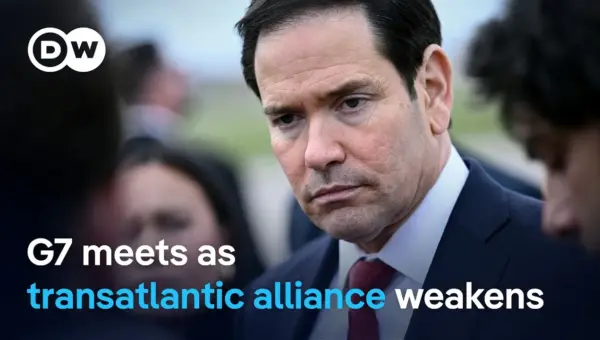
G7 Allies Clash Over Iran War Strategy, Urge Focus on Russia
G7 foreign ministers met in Paris, revealing deep divisions over the U.S. war with Iran. European allies urged the U.S. to pressure Russia, linking its actions to the conflict and fearing support for Ukraine will wane.
Iran Blocks China Ships, Exposing Beijing’s Weak Grip
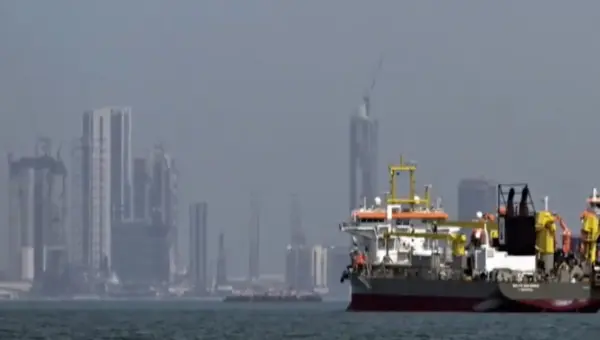
Iran's recent decision to block Chinese ships at the Strait of Hormuz is exposing the limits of Beijing's influence in the Middle East. This action is causing delays and cancellations for Chinese manufacturers, turning a perceived geopolitical win into an economic strain.
Trump’s “Walk Away” Tactic Signals Tougher Stance on China
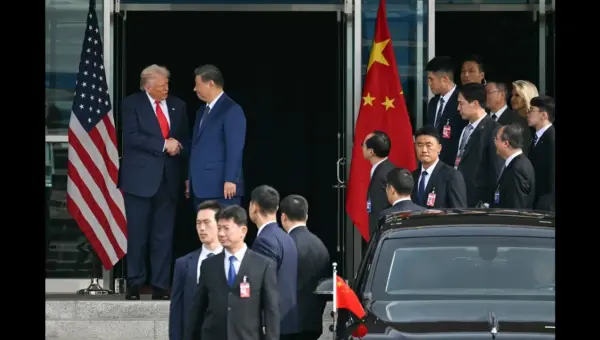
Retired Air Force Brigadier General David Stillwell believes President Trump's strategy of being willing to walk away from negotiations puts pressure on China. This tactic, combined with US global actions and strengthened alliances, signals a more assertive American foreign policy.