Global Leaders Warn Trump on War Plans, NATO Future
World leaders are issuing stern warnings to Donald Trump about his war strategies and commitment to NATO. Concerns include a lack of clear plans in Middle East conflicts and alleged Russian-Iranian cooperation targeting US forces. Allies question the future of alliances as geopolitical tensions rise.

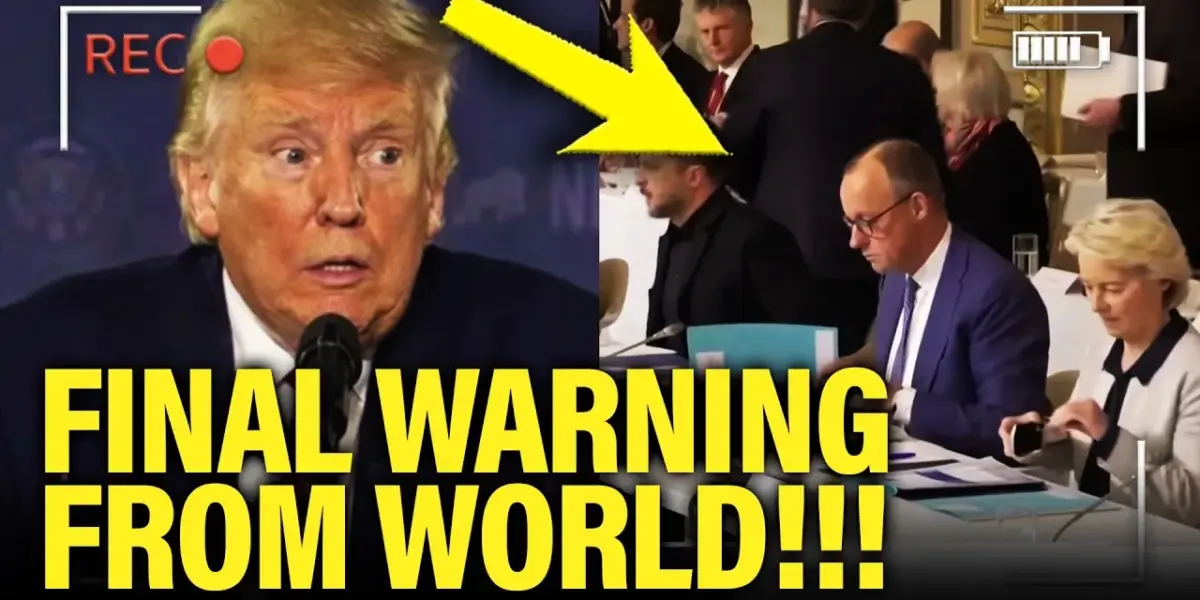
World Leaders Sound Alarm on Trump’s War Strategy and NATO
International leaders are issuing strong warnings to Donald Trump regarding his approach to conflicts and the future of alliances like NATO. These concerns highlight a perceived lack of clear plans, potential for escalating global tensions, and a growing unease about the United States’ commitment to its allies.
Concerns Over Middle East Conflict and Russian Ties
Key figures from Europe and beyond are expressing serious doubts about the current strategies in the Middle East, particularly concerning Iran and its allies. German Chancellor Frederick Meritz stated at the G7 meeting that there was “zero plan” for exiting the conflict, only actions that were “blowing things up” and causing civilian casualties.
Similarly, Kaja Kallas, the European Union’s foreign policy chief, directly questioned why sanctions against Russia were being eased. She pointed out that Russia is allegedly working with Iran, providing weapons and intelligence to target American military assets and soldiers. This cooperation, she argued, directly contradicts efforts to hold Russia accountable for its actions.
The transcript highlights intelligence shared by Ukraine, suggesting Russia has been using satellite imagery to help Iran target US and allied facilities in the Middle East. This includes bases in Saudi Arabia and Qatar, as well as military infrastructure. Ukrainian intelligence reports indicate that Russia is providing Iran with surveillance data, coordinates, and possibly technology for drone and missile attacks.
“When sanctions are lifted from an aggressor that earns daily revenue and provides intelligence for strikes against America, Middle East, UK and US and UK bases and so on.” – Kaja Kallas (paraphrased from transcript)
US Allies Question Strategic Alliances
Beyond the immediate conflicts, there are growing concerns about the stability of long-standing alliances. The transcript mentions that US allies are repeatedly warning Trump about his rhetoric regarding NATO, including comments about leaving the alliance and no longer supporting it. This has led to confusion and worry among European nations about the future of collective security.
The actions of some Republican members of Congress, including reported meetings with Russian Duma leaders, have also drawn criticism. These meetings, which reportedly took place with coordination from the State Department, have been viewed by some as signaling a willingness to make concessions to Russia, even as Russia is accused of working against US interests.
Even allies like the UK’s Prime Minister Kier Starmer have spoken out, emphasizing their commitment to their own national interests. Starmer indicated that he would not be swayed by pressure or mockery, stating that his primary duty is to protect British citizens and interests, suggesting that getting dragged into certain conflicts might not serve those interests.
Implications and Future Outlook
The situation described suggests a period of significant geopolitical uncertainty. The alleged collaboration between Russia and Iran poses a direct threat to American forces and regional stability. The perceived lack of a clear exit strategy from ongoing conflicts, coupled with doubts about US commitment to alliances, could embolden adversaries and weaken the international order.
The transcript also touches on the potential for further escalation, with reports of the US considering deploying thousands of troops near Iran and the Houthis posing a threat to Red Sea commerce. The economic consequences, such as a spike in oil prices, are also a significant concern.
The warnings from world leaders and the concerns raised by intelligence reports point to a critical juncture. The decisions made in the coming months regarding foreign policy, alliances, and conflict resolution will have far-reaching consequences for global security and the United States’ standing on the world stage.
Why This Matters
This situation matters because it directly impacts global security and the stability of international relations. When major global powers and their allies disagree on fundamental foreign policy approaches, it can lead to miscalculation, increased conflict, and economic disruption. The alleged cooperation between Russia and Iran, if true, represents a significant threat that requires clear and unified responses from democratic nations. Furthermore, the questioning of alliances like NATO, which has been a cornerstone of Western security for decades, could fundamentally alter the global balance of power.
Historical Context
The current international climate echoes past periods of geopolitical tension, where shifting alliances and strategic missteps have led to wider conflicts. The Cold War era, for instance, was marked by proxy wars and complex relationships between global powers. The current situation, with accusations of interference, shifting alliances, and the alleged arming of adversaries, suggests a return to a more complex and potentially dangerous international landscape. The emphasis on alliances and collective security, a hallmark of the post-World War II era, is being tested, raising questions about the future effectiveness of these structures.
Source: World Leaders give FINAL WARNING to Trump on CATASTROPHIC WAR!! (YouTube)

Related Articles
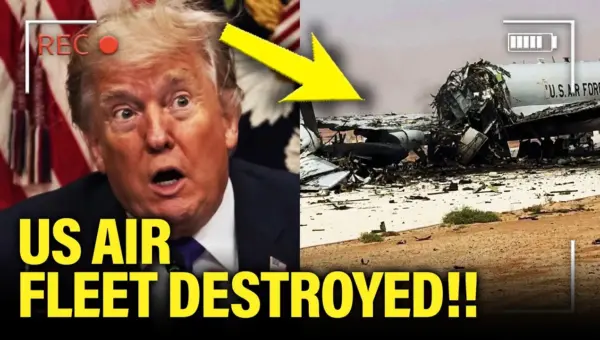
Iran’s Drone Assault Exposes US Military Vulnerabilities
Iran's strategic use of drone swarms and ballistic missiles has inflicted significant damage on U.S. military assets, raising alarms about American defense capabilities. The situation escalates with potential ground operations and complex geopolitical alliances at play.

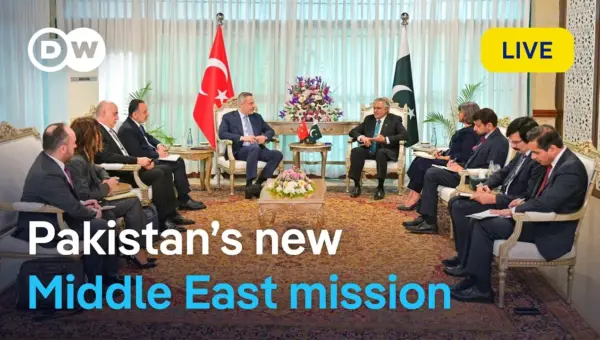
Pakistan Brokers Peace Talks Amid Iran War Escalation
Pakistan is hosting crucial peace talks with foreign ministers from Saudi Arabia, Egypt, and Turkey to de-escalate the ongoing US-Israeli war on Iran. The nation faces internal challenges but aims to broker wider peace without being drawn into the conflict.
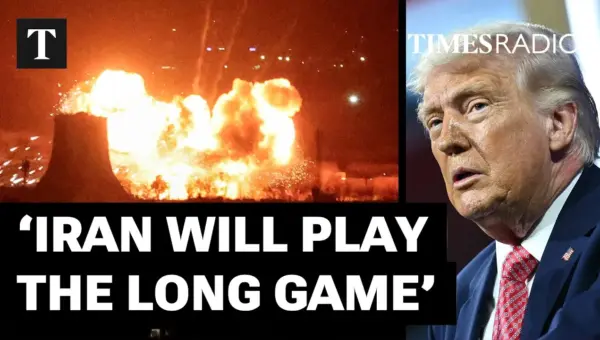
Iran’s ‘Enormous Patience’ Could Test Trump in Negotiations
Iran possesses 'enormous patience' and may prolong negotiations with President Trump, according to former British Ambassador Matthew Gold. He detailed Iran's unique negotiating tactics, emphasizing their high 'threshold for pain' and strategic use of proxies. Gold advised that successful talks require a long attention span, a quality that could challenge the U.S. president.